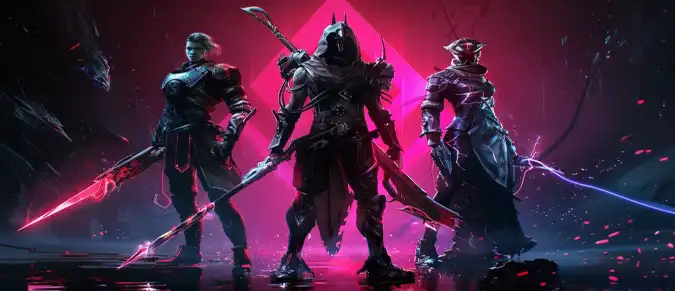

Thetan Arena is a dynamic multiplayer game that combines real-time competitive battles with elements of a blockchain-based economy. The project blends team combat mechanics, battle royale features, and digital asset ownership through NFTs. Unlike traditional online games, players here do more than just participate in matches — they also interact with a decentralized system of digital ownership. This approach creates a new entertainment model where skill, strategy, and engagement are complemented by economic opportunities. The game targets a broad audience, offering easy entry while maintaining gameplay depth.
Contents
- Thetan Arena Concept and Position in the GameFi Market
- Gameplay and Game Modes
- Thetan Arena Economy, NFTs, and Tokens
- Community, Esports, and Ecosystem
- Future Development and Project Significance
1. Project Concept and Position in the GameFi Market
Thetan Arena was designed as a hybrid of esports action and a blockchain-powered platform. The developers aimed to preserve the familiar match structure that gamers enjoy while introducing elements of digital ownership and an in-game economy. As a result, the game is perceived primarily as a competitive entertainment product rather than a purely financial tool.
The project occupies a niche at the intersection of mobile esports and GameFi solutions. Unlike many blockchain games that focus mainly on earning mechanics, Thetan Arena places gameplay at the center. This approach attracts users who may not be familiar with cryptocurrencies, gradually introducing them to economic features.
An important characteristic is its low entry barrier. Players can start without significant investment, while interaction with blockchain elements happens progressively. This model makes Thetan Arena more sustainable and closer to traditional mass-market games. Additionally, the project builds a bridge between conventional gaming and digital assets, helping audiences gradually adapt to new technologies. This increases the likelihood of long-term user loyalty. More broadly, the game reflects the trend of integrating Web3 into familiar entertainment formats.
2. Gameplay and Game Modes
Thetan Arena’s gameplay revolves around short, fast-paced PvP matches viewed from a top-down perspective. Players choose heroes with unique abilities, creating diverse roles and tactical combinations. Victory depends on team coordination, positioning, and the timely use of skills.
The game offers several modes with different objectives and pacing:
- Battle Royale — a survival mode where only one winner remains;
- Team Deathmatch — team battles focused on eliminating opponents;
- Super Star — a mode centered on holding advantage and controlling a key zone;
- Event Modes — limited-time activities with modified rules.
Matches are relatively short, making gameplay intense and well-suited for mobile devices. This combination of speed and tactics appeals to both newcomers and experienced players. Additional variety comes from different hero classes and progression paths. Players can experiment with playstyles by selecting characters that match their preferences. This enhances replayability and keeps the audience engaged over time.
3. Thetan Arena Economy, NFTs, and Tokens
Thetan Arena’s economic system combines in-game rewards with blockchain-based assets. NFT heroes play a central role, featuring unique characteristics and eligibility for reward-based modes. Owning such characters provides players with digital assets that can be upgraded or traded.
The ecosystem uses in-game tokens for upgrades, event participation, and trading. Rewards are linked to player activity and match performance, maintaining a connection between skill and economic incentives.
| Element | Purpose |
|---|---|
| NFT Heroes | Used in matches and eligible for reward-based modes |
| Game Tokens | Used for upgrades, trading, and in-game operations |
| Marketplace | Allows buying and selling digital assets |
| Play Rewards | Based on player activity and match results |
This structure combines gameplay with digital ownership, allowing players to participate more consciously in the game economy. The marketplace also creates conditions for evaluating hero rarity and demand. This shapes internal supply and demand dynamics. As a result, in-game achievements can gain economic value beyond individual matches.
4. Community, Esports, and Ecosystem
Thetan Arena places strong emphasis on competitive play and community development. Ranked seasons, tournaments, and special events encourage players to improve their skills and form teams. This builds a stable esports foundation within the project.
The fast pace and visual appeal of matches make the game suitable for streaming and tournament broadcasts. This format expands the audience and increases brand recognition beyond the crypto community.
The ecosystem is continuously enriched with new heroes, modes, and limited-time events. Regular updates sustain interest and create a sense of an evolving game world. Community activity on social media and streaming platforms also plays an important role. Player feedback helps developers adjust balance and refine mechanics, contributing to a strong and engaged user base.
5. Future Development and Project Significance
Thetan Arena reflects the evolution of GameFi, where blockchain-based economies integrate naturally into familiar gaming formats. The project demonstrates that digital assets can enhance engagement without replacing competitive gameplay. Future development may include new modes, expanded esports systems, and improved character balance to maintain player interest.
If this direction continues, the game could secure a strong position among mass-market blockchain projects. Partnerships, technical improvements, and ecosystem expansion will enhance platform stability and scalability. Expanding tournament infrastructure and spectator features could further strengthen its esports dimension. Additional progression and customization mechanics may deepen player engagement. Overall, Thetan Arena combines dynamic action, mobile accessibility, and digital ownership to form a modern online entertainment model where technology enhances rather than replaces gameplay.











