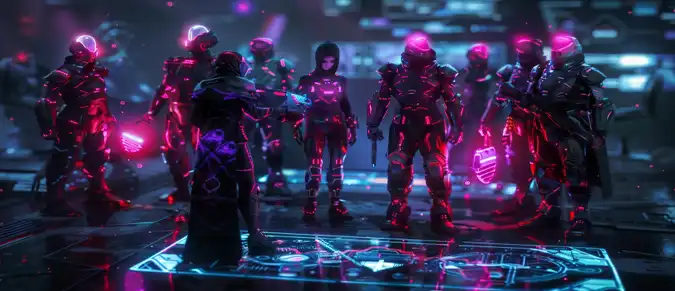

Sol Siege is a Web3 game that combines strategic gameplay with a blockchain-based economy within the Solana ecosystem. The project is designed to create a gaming environment where users not only interact with mechanics but also gain control over digital assets. This approach reshapes the traditional perception of games, transforming them from purely entertainment products into полноценные economic systems.
As the Web3 industry continues to evolve, Sol Siege demonstrates how blockchain technology can be integrated into gameplay without sacrificing dynamics and engagement. The project aims to balance immersive gameplay with earning opportunities, making it appealing to both gamers and crypto enthusiasts.
Table of Contents
- Concept and Role of Sol Siege in Web3
- Gameplay and Core Mechanics
- Sol Siege Economy and Tokens
- Blockchain and Technical Foundation
- Project Development and Future Outlook
1. Concept and Role of Sol Siege in Web3
Sol Siege is a strategy-based game built around the concept of decentralized ownership. Unlike traditional projects where all assets are controlled by developers, here users gain real ownership of in-game resources. This is achieved through blockchain technology, which records ownership and ensures transparency of all operations.
The project focuses on building a sustainable gaming ecosystem where participants can interact and influence the development of the virtual world. This approach increases engagement and gives gameplay more meaning. Sol Siege serves as an example of how Web3 is reshaping the structure of the gaming industry.
Additionally, the game introduces a new model of user interaction. Not only individual achievements matter, but also participation in a shared economy. This creates a deeper level of engagement and encourages long-term player activity.
2. Gameplay and Core Mechanics
The gameplay of Sol Siege is built around strategic management and interaction with other players. Users develop their positions, make decisions, and participate in various in-game events. This may include building infrastructure, engaging in battles, or managing resources.
The mechanics are designed to create a dynamic gaming experience. Players can adapt their strategies depending on the situation, making the game more flexible and engaging. Interaction between players plays a key role, forming both competitive and cooperative environments.
- Strategic management: planning actions and developing assets.
- Game resources: collecting and using in-game elements.
- Battles: participating in conflicts and competitions.
- Economy: trading resources and engaging in reward systems.
- Community: interaction with other players.
This combination of elements makes Sol Siege a multifaceted game where each user can choose their own strategy. It maintains interest and encourages the development of an active player community.
An important factor is the continuous evolution of gameplay scenarios. As players progress, they unlock new mechanics and expand their capabilities. This deepens the experience and supports long-term engagement.
3. Sol Siege Economy and Tokens
The economic model of Sol Siege is based on the interaction between tokens and digital assets. Players earn rewards through participation and can use them for development or exchange. This creates a closed-loop system where activity directly influences resource distribution.
Tokens serve multiple functions: they are used for transactions, incentivizing activity, and managing certain elements of the ecosystem. This structure makes the economy flexible and adaptable to in-game changes.
| Token | Function | Role in Ecosystem |
|---|---|---|
| SOL | Network transactions | Used for fees and blockchain interactions |
| Game Token | Rewards | Used for in-game operations |
| NFT | Ownership | Represents unique game assets |
This economic model is designed to maintain a balance between supply and demand. It helps sustain player interest and ensures long-term system stability.
It is also worth noting that interaction between different asset types enhances the depth of the game economy. Players can combine resources and adjust strategies based on current conditions. This makes the system more dynamic and increases user engagement.
4. Blockchain and Technical Foundation
Sol Siege uses the Solana blockchain as its technological foundation. This ensures high transaction speeds and low fees, which are critical for gaming applications. As a result, users can interact with the system without significant costs.
Blockchain technology also guarantees transparency. All actions are recorded and can be verified, increasing trust in the system. This is especially important in decentralized environments where users expect fairness and openness.
The use of Web3 technologies allows players to fully control their assets. This creates a new interaction model where users become active participants in the digital economy. Such an approach strengthens the project’s relevance in the industry.
5. Project Development and Future Outlook
Sol Siege is still evolving, and its future depends on the implementation of new features and expansion of gameplay. The development team continues to refine mechanics and introduce new opportunities for users. This helps maintain audience interest.
The growing popularity of Web3 games creates favorable conditions for the project. More users are becoming interested in games that offer both entertainment and economic potential. Sol Siege has the potential to secure a strong position in this segment.
Another important factor is community activity. The more engaged the users are, the faster the ecosystem develops. This creates a foundation for long-term growth and sustainability.
The future of the project is closely tied to the development of Web3 and increasing interest in decentralized solutions. If the team maintains a balance between gameplay and economy, Sol Siege has the potential to become a notable player in the market. Ultimately, its success will depend on execution quality and community engagement.











