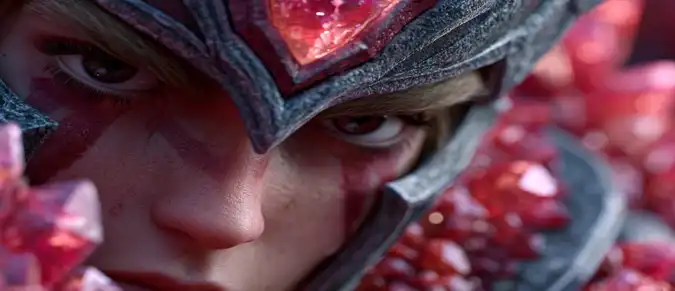

Tiny World is a Web3 game and GameFi ecosystem built on BNB Smart Chain, combining NFT assets, gaming mechanics, and decentralized finance elements. The project offers users more than just rewards: players can develop characters, participate in battles, gather resources, engage in farming activities, and trade digital assets. The ecosystem consists of several interconnected products that create a unified gaming and economic environment. Through the combination of gameplay, NFTs, and its own tokenomics model, Tiny World has become one of the notable projects in the GameFi sector, where digital assets serve as an integral part of the gaming experience.
Table of Contents
- What Is Tiny World and How the Ecosystem Works
- Game Modes and Core Mechanics
- NFT Characters and Account Progression in Tiny World
- Project Tokens and Economy
- Advantages and Future Potential of Tiny World

1. What Is Tiny World and How the Ecosystem Works
Tiny World is a multi-layer blockchain ecosystem that combines the capabilities of Web3, NFTs, and GameFi. The developers set out to create more than just a game with cryptocurrency rewards. Their goal was to build a complete virtual world with its own economy and digital ownership system. As a result, the various components of the project are closely connected and form a unified infrastructure.
The platform is built around several key areas. Some mechanics focus on gameplay and character progression, while others allow users to interact with blockchain-based financial tools. This approach enables players to choose their own participation strategy. Some focus on acquiring and developing NFTs, while others prefer asset trading or farming opportunities.
A key feature of Tiny World is the use of NFTs as functional assets. Within the ecosystem, digital assets have practical value and directly affect player performance. This differentiates the project from many NFT collection platforms, where tokens primarily serve as ownership certificates rather than gameplay elements.
The ecosystem continues to evolve around several major pillars, including game modes, the NFT marketplace, the internal economy, and reward systems.
2. Game Modes and Core Mechanics
One of Tiny World's strongest advantages is the variety of game modes designed for different types of users. Instead of relying on a single interaction model, the developers created an ecosystem where every player can choose the most appealing path of progression.
All gameplay activities are interconnected and form a unified progression system. Players can earn resources in one mode and later use them for character development, trading, or gaining advantages in other parts of the ecosystem. This approach makes the gameplay experience more diverse and encourages users to explore the platform's various opportunities.
Key mechanics available within the platform include:
- Tiny Farm — a feature focused on farming, staking, and earning rewards through DeFi mechanisms.
- Tiny Kingdom — a game mode centered on resource gathering, character progression, and item acquisition.
- Tiny Dungeons — a dungeon and battle system that requires strategic team building and planning.
- Marketplace — an internal marketplace for trading NFTs and in-game resources.
- Competitive Leaderboards — special activities that offer additional rewards to top-performing players.
Thanks to this variety, the project can maintain user engagement much longer than traditional play-to-earn games. Players can switch between different activities, experiment with strategies, and search for the most efficient progression methods. Another advantage is the strong connection between game modes. Resources earned in one section of the ecosystem can be utilized in other mechanics or sold on the internal marketplace.
This structure contributes to a more sustainable economy because asset value is determined not only by rarity but also by practical utility within the ecosystem.
3. NFT Characters and Account Progression in Tiny World
NFT characters known as Tiny Heroes play a central role in Tiny World. They serve as the primary in-game assets and are used throughout most of the platform's mechanics. Each hero is a unique NFT with specific attributes that influence performance across different gameplay scenarios.
Unlike standard collectible tokens, Tiny Heroes have practical utility. Their statistics determine battle effectiveness, resource-gathering capabilities, and overall efficiency in various game modes. Some heroes possess higher rarity levels, making them especially desirable among both players and collectors.
Account progression is largely tied to building a strong team of characters. Users can acquire new heroes, enhance existing ones, and experiment with different NFT combinations. This system adds a strategic layer to the game and creates a deeper gameplay experience.
In addition to characters, the ecosystem includes various items and special NFT assets. These can be used to improve attributes, unlock new opportunities, and gain additional advantages. The large number of digital assets creates favorable conditions for active trading between users and supports the growth of the internal marketplace.
As a result, NFTs in Tiny World function as much more than collectibles. They serve as essential tools for progression and play a vital role in the project's overall economic system.

4. Project Tokens and Economy
The economic model of Tiny World is built around several types of digital assets. At the center of the ecosystem is the TINC token, which is used for transactions, rewards, and participation in various gameplay mechanics. In addition to TINC, the project includes several supporting assets that power different parts of the platform.
A key feature of Tiny World is the integration of gaming and financial systems into a single economy. Users interact with tokens not only when trading or earning rewards but also while developing characters, participating in events, and accessing special ecosystem features. This approach connects player progression with the project's internal economy and creates multiple use cases for digital assets. The table below outlines the primary tokens and NFT assets that play an important role within the platform.
| Asset | Type | Purpose | Usage |
|---|---|---|---|
| TINC | Utility Token | Primary medium of exchange | Purchases, rewards, and in-game transactions |
| veTINC | Derivative Token | Additional benefits and ecosystem participation | Staking and special platform mechanics |
| Tiny Hero | NFT | Playable characters | Battles, account progression, and farming activities |
| Summon Runes | NFT Asset | Obtaining new heroes | Hero summoning mechanics |
| In-Game Items | Digital Assets | Enhancement and progression | Crafting, trading, and character upgrades |
One of the defining characteristics of Tiny World’s tokenomics is the close relationship between different asset types. Users interact not only with the project's cryptocurrency but also with NFTs, resources, equipment, and other elements of the digital economy. This creates additional utility for assets and reduces the ecosystem’s reliance on a single source of value.
Resource consumption mechanisms also play an important role. Tokens and in-game items are required for character progression, participation in specific activities, and acquiring new NFTs. As a result, the platform maintains a continuous circulation of assets, helping support the long-term functionality of its economic model.
5. Advantages and Future Potential of Tiny World
Tiny World stands out among many GameFi projects due to its comprehensive approach to building a gaming ecosystem. Rather than focusing solely on play-to-earn mechanics, the developers have combined NFT characters, multiple game modes, a marketplace, and DeFi tools within a single platform. Users can develop heroes, participate in battles, gather resources, trade digital assets, and access various reward-generating opportunities.
This variety of mechanics helps maintain long-term user engagement and creates a more flexible experience compared to projects built around a single gameplay loop. Another advantage is the platform’s dedicated infrastructure, which allows users to access most ecosystem features without leaving the Tiny World environment.
Although the project remains influenced by overall cryptocurrency market conditions and community activity, Tiny World continues to be a notable participant in the Web3 gaming sector. Its combination of NFTs, gameplay systems, and decentralized finance demonstrates how a unified digital economy can function within a blockchain-based game.











