

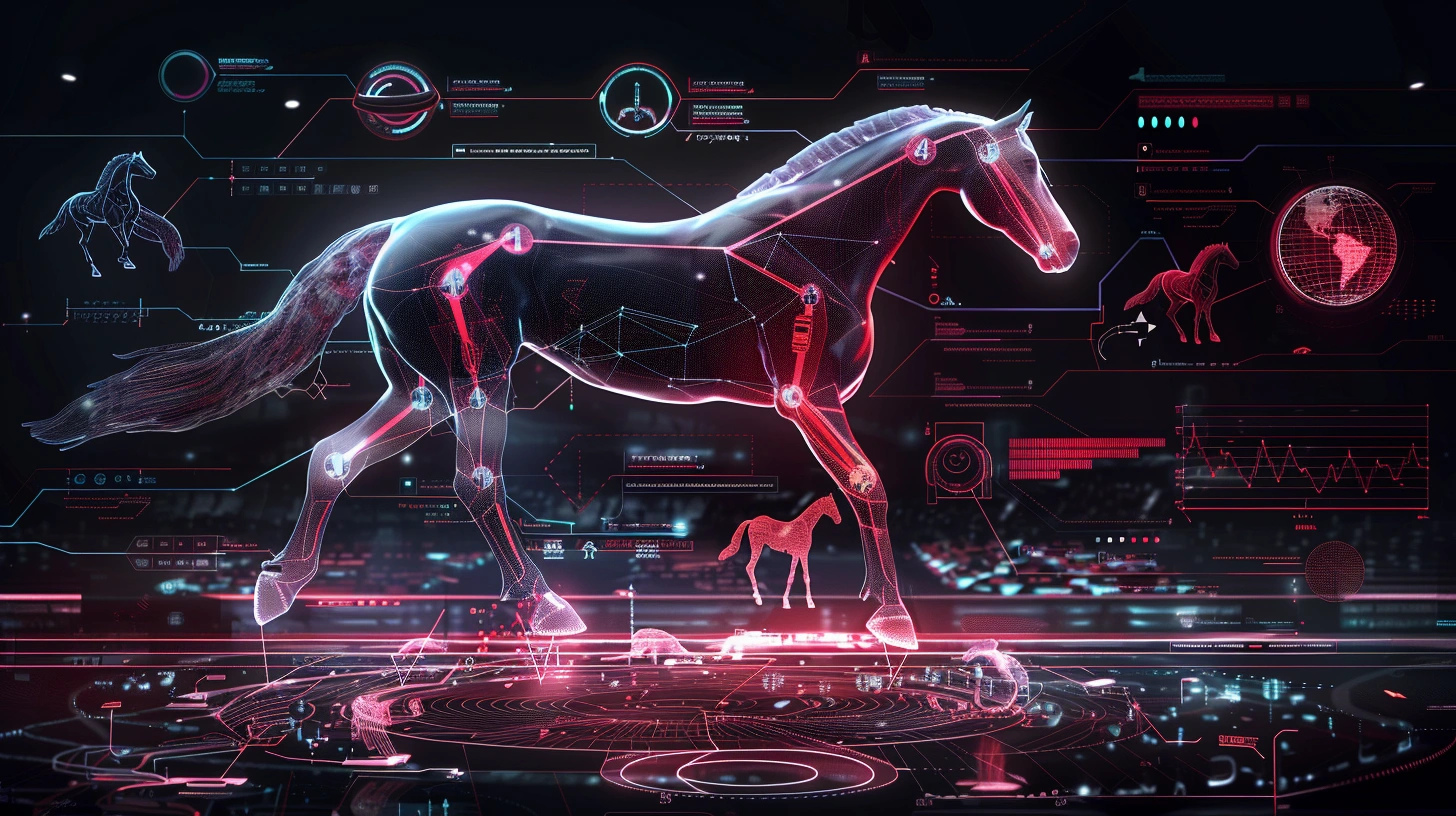
Zed Run is a blockchain-based digital horse racing game that combines NFT ownership, competitive gameplay, and a complex economic model. The project allows players to own, train, and breed virtual racehorses, each represented as a unique NFT. Unlike traditional GameFi projects, Zed Run emphasizes strategy, analysis, and long-term asset value, creating an ecosystem that closely resembles real-world sports management.
Contents
- Concept and Positioning of Zed Run
- Gameplay and Racing Strategy
- NFT Horses and the Breeding System
- Economy, Rewards, and Player Marketplace
- Technology and Ecosystem Development of Zed Run
- Conclusion
1. Concept and Positioning of Zed Run
Zed Run was designed as a digital interpretation of horse racing, where participation in races is only one part of the experience, alongside asset management. The project is built around the idea of digital ownership, with each horse existing as a unique NFT with transparent history and fixed characteristics. This positions Zed Run not merely as a game, but as a long-term competitive and collectible platform.
The project is positioned as a skill-based ecosystem. Player success depends on understanding game mechanics, analyzing statistics, and strategically selecting race distances rather than relying on randomness. This approach distinguishes Zed Run from traditional play-to-earn models by prioritizing expertise and experience.
Resource scarcity further supports ecosystem stability. The number of horses and breeding opportunities is controlled, reducing asset inflation and creating a scarcity similar to real-world sports markets. As a result, NFT value is sustained through in-game competition, and Zed Run is increasingly perceived as a digital sports league rather than a conventional blockchain game.
2. Gameplay and Racing Strategy
Zed Run’s gameplay revolves around automated races in which players do not directly control horses during competition. The core focus lies in preparation and strategic race selection. Each horse has preferred distances and race classes, which are identified through analysis of historical performance.
Players can enter races across multiple tiers, shaping their own balance between risk and potential rewards. Higher-tier races feature stronger competition and larger prize pools but require precise horse selection. This structure encourages tactical decision-making and gradual skill development.
Key gameplay elements include:
- analyzing performance data and race history of horses;
- selecting optimal race distances and classes;
- participating in paid and ranked races;
- managing race schedules and recovery periods;
- long-term progression through breeding and marketplace activity.
The absence of direct control during races reduces the importance of reflexes and highlights analytical thinking. Players must work with probabilities and long-term trends rather than instant reactions. Over time, an understanding of the game’s meta and system patterns emerges, making progress more deliberate and sustainable.
3. NFT Horses and the Breeding System
The core assets of the Zed Run ecosystem are NFT horses. Each horse features a set of attributes, including genotype, generation, breed type, and gender. These parameters influence both racing performance and breeding potential.
The breeding system is inspired by real-world horse genetics. Pairing two horses results in a new NFT with a unique genetic profile. The number of available breeding attempts is limited, preserving scarcity and maintaining asset value.
| Parameter | Description | Impact on Gameplay |
|---|---|---|
| Genotype | Genetic code | Determines speed and stamina potential |
| Generation | NFT generation | Affects rarity and market value |
| Breed Type | Horse archetype | Defines preferred race profiles |
| Breeding Count | Number of breeding uses | Limits offspring production |
Breeding evolves into a standalone strategy within the ecosystem. Some players focus entirely on genetics rather than racing. Successful bloodlines generate sustained demand on the marketplace, turning breeding into a distinct economic layer.

4. Economy, Rewards, and Player Marketplace
Zed Run’s economy is driven by racing participation, NFT trading, and breeding. Players pay entry fees to compete, which collectively form prize pools. Winners receive rewards based on race class and the number of competitors.
The secondary marketplace plays a critical role in asset valuation. Horse prices reflect performance history, genetic potential, and rarity, creating a market where value aligns with actual utility. This results in an organic pricing mechanism driven by player behavior.
The project avoids promising guaranteed profits. While the economic model incentivizes active engagement, it does not eliminate risk. Players face performance volatility and must continuously analyze data, reducing speculative pressure and strengthening trust in the system.
5. Technology and Ecosystem Development of Zed Run
Zed Run originally launched on Ethereum but later adopted Layer 2 solutions to reduce transaction costs and improve usability. This shift is particularly important for a game with frequent transactions and an active marketplace.
The ecosystem expands through third-party tools and analytics platforms developed by the community. Players rely on external services to track statistics, predict outcomes, and refine strategies.
In the long term, Zed Run is positioned as a digital sports platform. The project experiments with new competition formats, leagues, and partnerships while maintaining its core mechanics. This evolutionary approach enables sustainable growth without sacrificing the game’s identity.
6. Conclusion
Zed Run stands as one of the most mature examples of NFT and blockchain integration within the gaming industry. The project combines competitive gameplay, strategy, and digital ownership without reducing the experience to speculation.
Thanks to its focus on skill-based mechanics, a well-balanced economy, and an active community, Zed Run remains relevant in a rapidly evolving Web3 market. The game introduces a new vision of digital sports, where value is created through experience, analysis, and long-term participation. Zed Run also demonstrates that blockchain technology can enhance competitive games without compromising balance or fairness.
Player decisions—from race selection to breeding strategy—produce cumulative effects that shape long-term outcomes. This approach supports a sustainable ecosystem in which value is driven by skill and engagement. As a result, Zed Run can be viewed as a benchmark for the next generation of Web3-powered digital sports projects.











