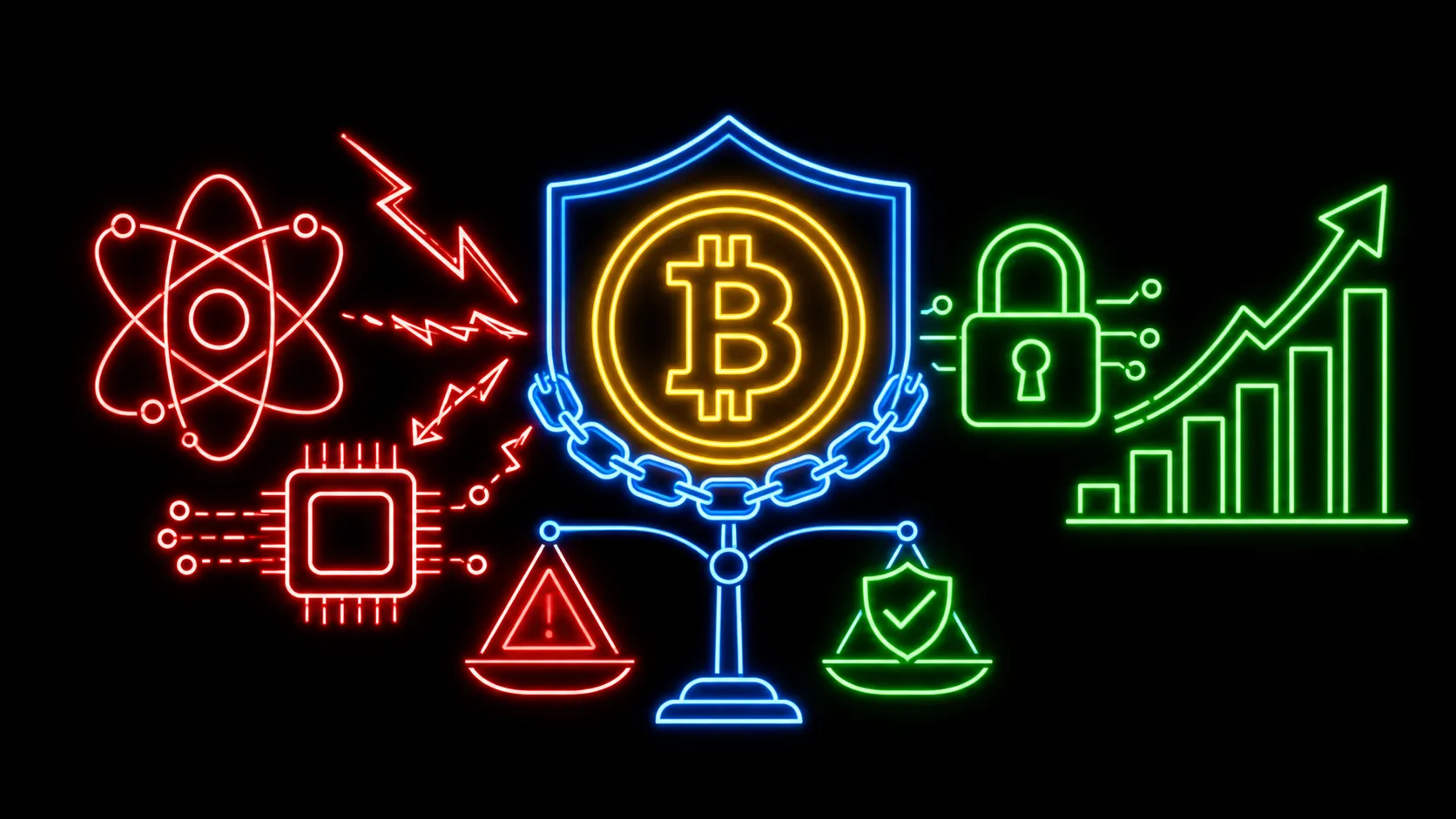

The founder of Binance, Changpeng Zhao, has sparked a crucial discussion about the future security of Bitcoin in the face of emerging quantum computing threats. His recent comments on the Galaxy Brains podcast have raised important questions about the vulnerability of legacy Bitcoin addresses and the potential need for proactive measures, as highlighted by the official information.
Risks of Unmoved Legacy Bitcoin
During the podcast on June 18, Zhao highlighted the risks associated with unmoved legacy Bitcoin, particularly those linked to early addresses that may be susceptible to quantum attacks. He proposed a theoretical scenario in which Bitcoin could transition to quantum-resistant addresses, suggesting a governance framework that would allow a migration window for legacy holders to adapt to these changes.
Controversial Proposal to Freeze Unmoved Coins
Zhao's proposal includes the controversial idea of freezing unmoved coins that are deemed vulnerable after the migration period, a move aimed at preventing potential theft. This suggestion has ignited a heated debate within the cryptocurrency community, with proponents advocating for necessary security measures while critics argue that freezing coins undermines Bitcoin's foundational principles of ownership and property rights.
Balancing Security and Immutability
The ongoing discussion highlights the delicate balance between enhancing security and maintaining the immutability that Bitcoin is known for. As quantum technology continues to evolve, this conversation is becoming increasingly critical for the future of the cryptocurrency landscape.
In light of recent discussions on Bitcoin's security, Charles Schwab has released a report that highlights key trends in the investment landscape, particularly regarding cryptocurrency. For more details, see the full report here.











