FDIC Proposes New Compliance Standards for Stablecoin Issuers

FDIC Proposes New Compliance Standards for Stablecoin Issuers

user avatar

by Andrew Smith

5 months ago

Made with AI


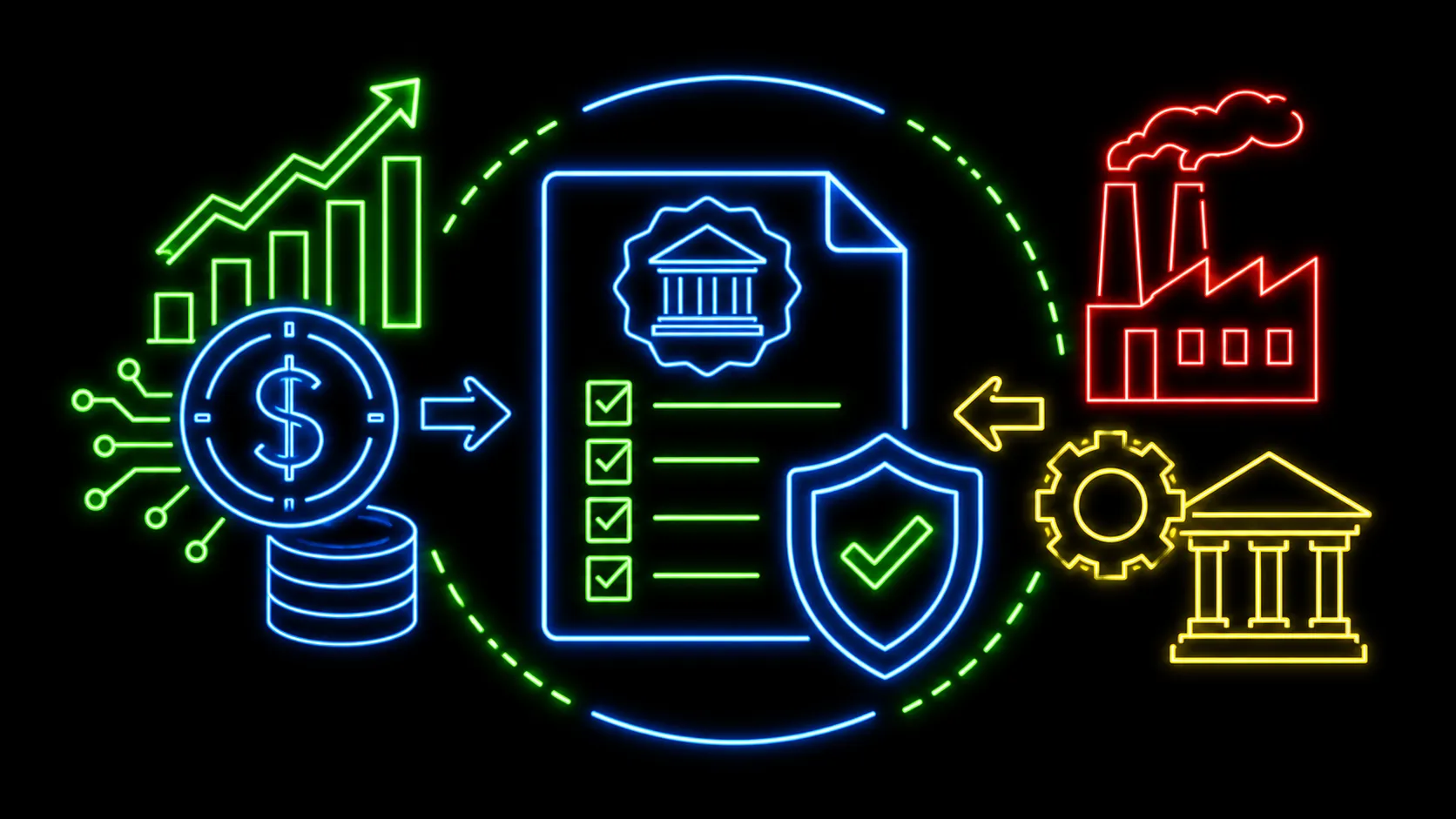
In a significant regulatory move, the Federal Deposit Insurance Corporation (FDIC) has proposed new rules that would bring Permitted Payment Stablecoin Issuers (PPSIs) under the same compliance standards as traditional banks. As stated in the official source, this initiative aims to enhance the oversight of digital asset issuers and ensure they adhere to established financial regulations.

Proposed Rulemaking Overview

The proposed rulemaking focuses on extending the Bank Secrecy Act (BSA) and economic sanctions compliance standards to PPSIs. This means that these digital asset issuers will be required to implement Anti-Money Laundering (AML) and Countering the Financing of Terrorism (CFT) programs, aligning them with the compliance frameworks that traditional financial institutions have followed for years.

Reporting Obligations

Additionally, PPSIs will need to meet reporting obligations set forth by the Financial Crimes Enforcement Network (FinCEN) and the Office of Foreign Assets Control (OFAC). This move is seen as a crucial step in integrating the rapidly evolving digital asset sector into the broader financial regulatory landscape.

Public Comment Period

The public will have the opportunity to comment on the proposed rule until June 9, 2026, with the FDIC expected to announce the final rule later that year. This timeline indicates a careful approach to regulation, allowing stakeholders to provide input on the implications of these new compliance requirements.

Recently, Japan has made strides in integrating foreign stablecoins into its financial system, contrasting with the FDIC's proposed regulations for domestic stablecoin issuers. For more details, see Japan's stablecoin framework.

Tier I

Sector: #18291

Sealed Hiding Place Room

Resource Cache

Resource Cache

Tier I

Requires 25% Tier Progress to Claim
Meme Cache

Meme Cache

Tier I

Requires 50% Tier Progress to Claim
Equipment Cache

Equipment Cache

Tier I

Requires 75% Tier Progress to Claim

After collecting, hiding places will be stored in your inventory and can be opened with Keys.

Other news

Payward to Acquire Saldo Bank for European Banking Expansion

Payward, the parent company of Kraken, plans to acquire Lithuania-based Saldo Bank to enhance its banking capabilities and integrate banking products with crypto services.

user avatarMaria Fernandez

Germany's Sparkassen Group Begins Cryptocurrency Trading Rollout

Germany's Sparkassen savings bank group is starting a phased rollout of cryptocurrency trading within its existing banking app, beginning on October 19, 2023.

user avatarGustavo Mendoza

CME Group to Launch Bitcoin Cash and Uniswap Futures on October 19

CME Group has scheduled the introduction of Bitcoin Cash and Uniswap futures for October 19, providing institutional traders with more cryptocurrency markets.

user avatarRajesh Kumar

Ethereum's Glamsterdam Upgrade Scheduled for Hoodi Test Network

Ethereum's next major upgrade, Glamsterdam, is set to activate on the Hoodi test network on October 26, marking a significant step in testing changes to block production and execution costs.

user avatarMiguel Rodriguez

International Crackdown on West African Scam Networks Results in 28 Arrests

An international effort against West African scam networks has led to 28 arrests and the removal of over 37 million accounts linked to fraudulent activity.

user avatarLuis Flores

Stablecoin Payment Transactions Surge Despite Flat Supply

A new report reveals a significant increase in stablecoin payment transactions, contrasting with stagnant supply levels.

user avatarArif Mukhtar

Important disclaimer: The information presented on the Dapp.Expert portal is intended solely for informational purposes and does not constitute an investment recommendation or a guide to action in the field of cryptocurrencies. The Dapp.Expert team is not responsible for any potential losses or missed profits associated with the use of materials published on the site. Before making investment decisions in cryptocurrencies, we recommend consulting a qualified financial advisor.




