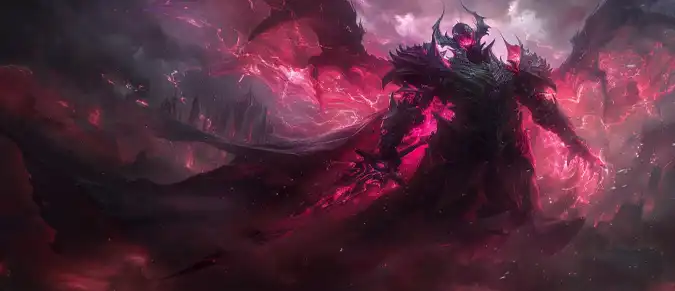

Abyss World is a Web3 action RPG that aims to combine classic fantasy adventure elements with blockchain technology. The project is being developed by Metagame Industries and initially gained attention through its partnership with the Sui ecosystem. Unlike many GameFi projects focused mainly on token rewards, Abyss World emphasizes полноценный gameplay experience, including world exploration, dynamic combat, character progression, and a dark fantasy atmosphere. At the same time, the game features its own digital economy with NFTs, in-game assets, and multiple tokens. The project demonstrates how modern Web3 games are trying to move beyond simple play-to-earn mechanics and evolve into full-scale gaming universes.
Contents
- Concept and Core Features of Abyss World
- Gameplay and World Design
- Main Web3 Mechanics
- Abyss World Tokens and Economy
- Future Prospects and Challenges
1. Concept and Core Features of Abyss World
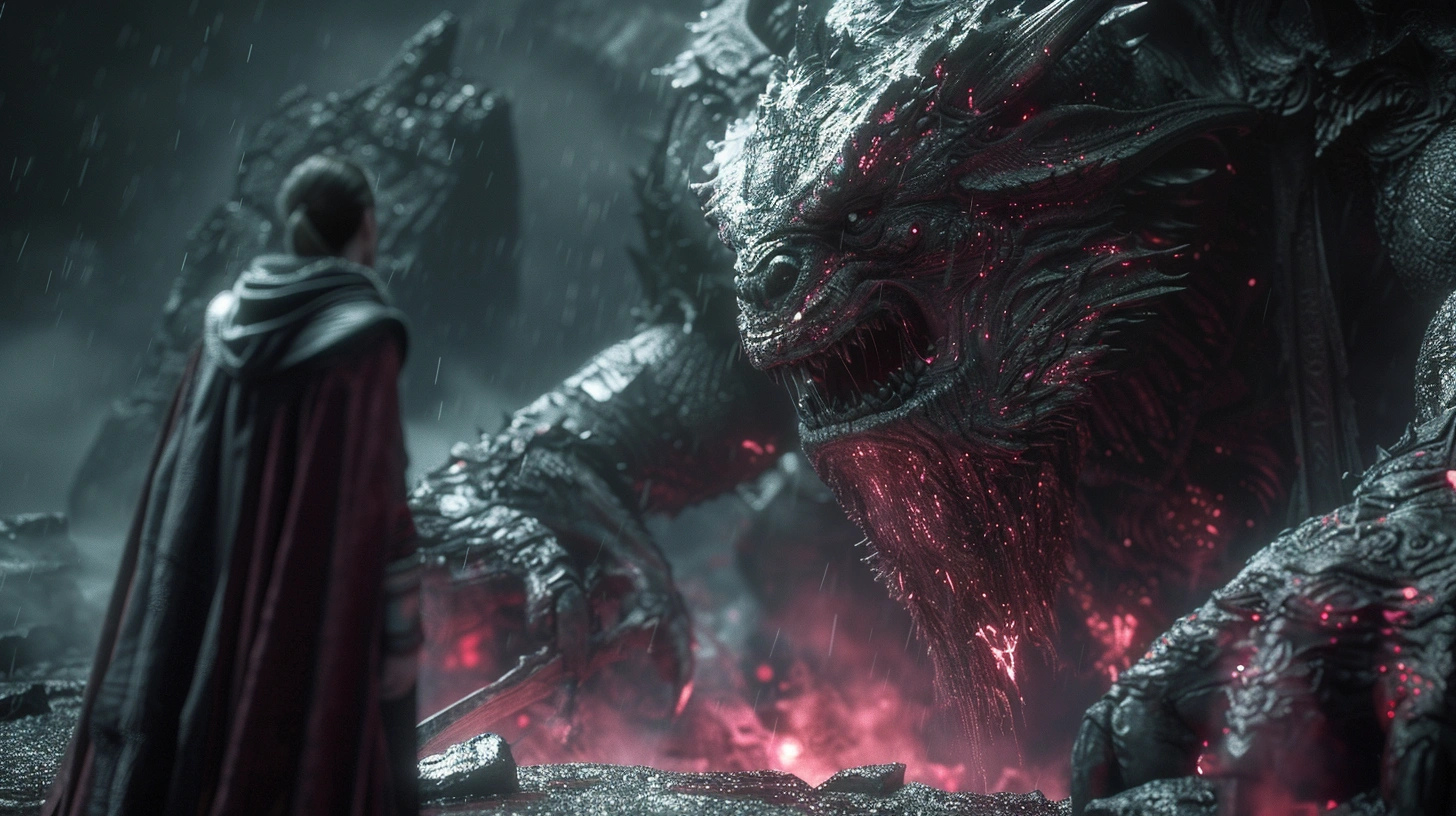
Abyss World is designed as a dark fantasy open-world action RPG inspired by classic fantasy games. The story takes place in Nordia, a ruined world filled with ancient mysteries, dangerous territories, and traces of lost civilizations. Players explore locations, fight monsters, uncover storylines, and gradually strengthen their characters.
The main feature of the project is its attempt to combine a traditional gaming experience with Web3 infrastructure. The developers aim to make blockchain technology function as an additional interaction layer instead of interfering with gameplay. Because of this, Abyss World focuses not only on tokens but also on atmosphere, combat mechanics, and world exploration.
The game attracted significant attention after the announcement of its partnership with Mysten Labs, the company behind the Sui blockchain. This collaboration positioned Abyss World as one of the potential large-scale representatives of next-generation Web3 gaming. According to the developers, the goal is to create an ecosystem appealing not only to crypto users but also to traditional RPG players.
Interest in Abyss World has also been supported by plans to expand the franchise. The team discussed creating multiple connected gaming products, a shared economy, and a unified digital ecosystem. This approach makes the project closer to a complete gaming universe rather than a standalone blockchain game with limited functionality.
2. Gameplay and World Design
The core gameplay is built around a dynamic third-person combat system. Players directly control their characters, use different weapon types, dodge enemy attacks, and explore the surrounding world. The developers placed strong emphasis on visually impressive battles and a dark fantasy atmosphere, helping the project stand out from many traditional GameFi titles.
The world of Abyss World is heavily focused on exploration. Players travel across different regions, discover hidden locations, encounter dangerous creatures, and unlock new parts of the story. Character progression also plays a major role, with equipment upgrades, stat improvements, and rare items becoming key parts of the gameplay loop.
The developers pay special attention to lore and world-building. Nordia is presented as a world recovering from a catastrophe whose consequences still affect the environment and its inhabitants. Through quests, items, and NPC interactions, players gradually uncover the deeper history of the universe. This approach helps make the game world feel more immersive and alive.
The team also mentioned plans for additional gameplay directions within the franchise. Besides the main ARPG experience, card-based mechanics and other formats connected to the shared economy were considered. This demonstrates the ambition to create a long-term ecosystem rather than a single isolated product.
3. Main Web3 Mechanics
The Web3 system in Abyss World is built around digital ownership of in-game assets and player participation in the project’s economy. The developers attempted to make blockchain integration less intrusive than in early GameFi projects, where gameplay often revolved entirely around token farming.
The core idea behind Abyss World’s Web3 mechanics is to create an ecosystem where gaming assets gain digital value and can be used across different parts of the project. The developers aim to combine classic RPG gameplay with blockchain capabilities while maintaining accessibility for regular players. This approach allows Web3 features to become part of the gaming system rather than the central purpose of the project.
Key features of the Abyss World Web3 model:
- NFT items — some in-game assets can exist as NFTs, allowing players to own and use them as digital property.
- Internal economy — the project uses tokens for player interaction, rewards, and ecosystem development.
- Gameplay rewards — in-game activity is designed to be rewarded through digital assets and progression systems.
- Unified ecosystem — the developers plan to connect multiple projects within a shared gaming universe.
- Sui blockchain integration — the use of Sui infrastructure helps improve transaction speed and reduce fees.
At the same time, the team has tried to avoid situations where the economy becomes more important than gameplay itself. Abyss World is positioned as a game where blockchain acts as an additional tool rather than the core objective. This approach is increasingly viewed as more sustainable for Web3 gaming, especially as audiences grow tired of repetitive play-to-earn models.
4. Abyss World Tokens and Economy
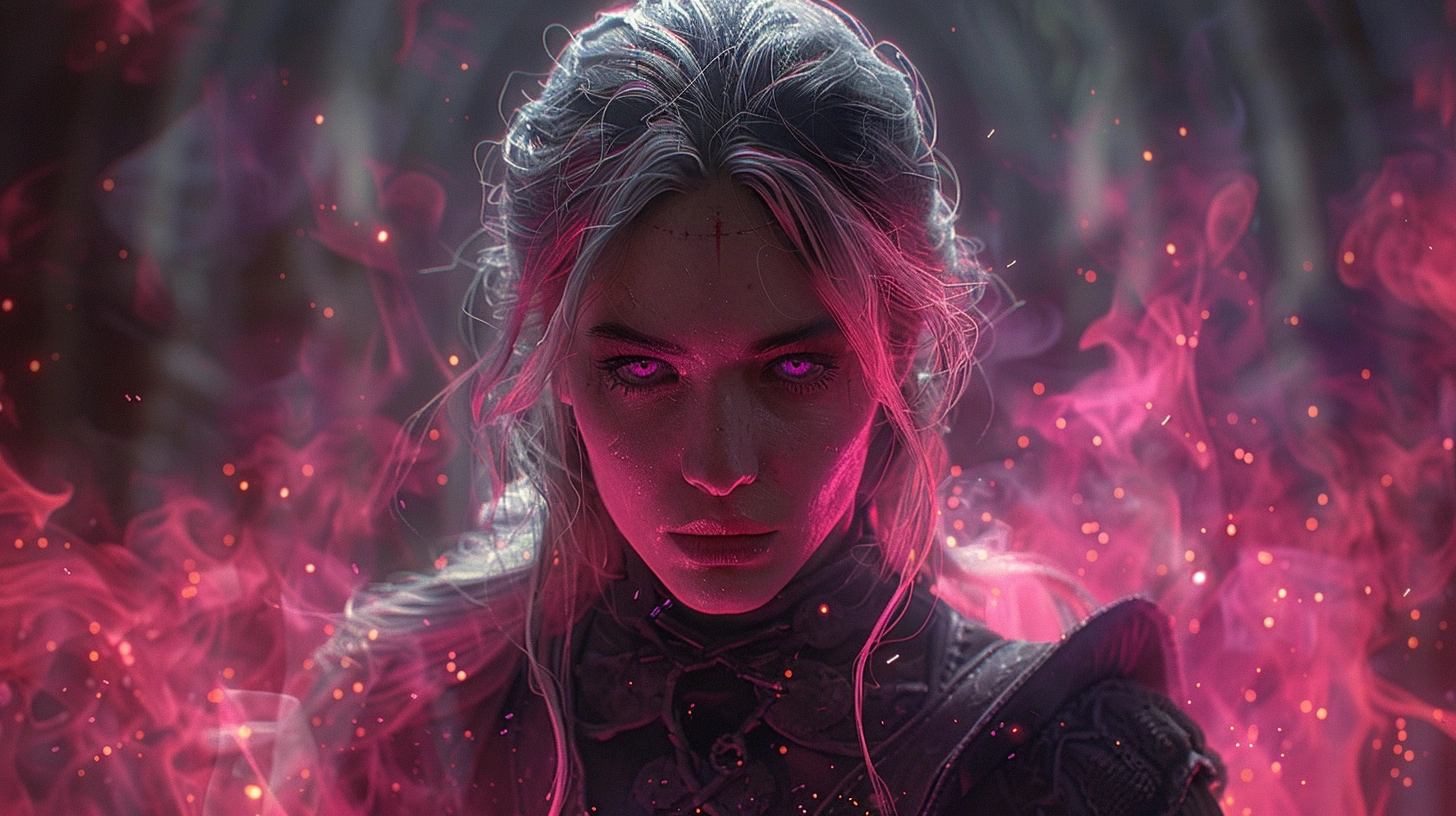
The economy of Abyss World was designed as part of a broader gaming ecosystem where tokens could be used not only for in-game transactions but also for interactions between different franchise products. The developers aimed to build a system in which digital assets are connected to player progression, rewards, and future gameplay mechanics. Changes in the token structure also show that the team continues adapting the project’s economy to the evolving Web3 gaming market.
| Token | Purpose | Role in the Ecosystem | Key Features |
|---|---|---|---|
| AWT | Primary project token | Used in the early Abyss World economy | Total supply was announced at 10 billion tokens |
| MGC | New ecosystem token | Planned for future gaming products | Considered part of the updated development model |
The AWT allocation included player rewards, marketing, team reserves, liquidity, and long-term development funding. A significant portion of the supply was dedicated to gameplay rewards, which is common for GameFi projects. However, this type of model requires a constant inflow of active users, otherwise the internal economy may begin to weaken.
Later, the team announced plans to expand the ecosystem and redesign the tokenomics structure. This led to the introduction of MGC, which is expected to become the foundation for future gameplay mechanics and upcoming products. The restructuring demonstrates the developers’ attempt to adapt to the changing Web3 gaming market.
5. Future Prospects and Challenges
Abyss World remains one of the more notable examples of how difficult modern Web3 game development can be. The project combines ambitious visual design, AAA-style ARPG elements, and the idea of a complete gaming ecosystem. However, developing games at this scale requires significant resources, stable funding, and long-term community support.
During its development, the project faced challenges related to tokenomics, strategic changes, and cryptocurrency market instability. These issues are common among many GameFi projects, especially during periods of declining interest in the Web3 industry. In such conditions, developers must simultaneously support the project economy and continue delivering new content.
The future of Abyss World depends on whether the team can maintain a balance between high-quality gameplay and blockchain mechanics. If the developers succeed in delivering a stable and engaging ARPG experience, the project could secure a noticeable position among next-generation Web3 games.
The story of Abyss World also demonstrates that tokenomics alone is not enough for long-term success. Players expect engaging gameplay, regular updates, and a living game world. This is why the project remains an important example of how the Web3 gaming industry is gradually shifting toward complete gaming experiences rather than simple play-to-earn systems.











