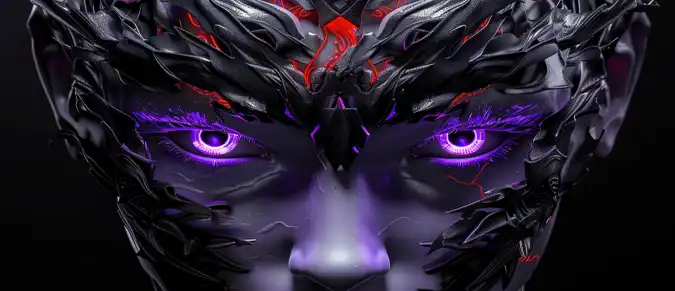

A.N.I.M.O. is a next-generation Web3 game by Animo Industries that combines gameplay mechanics, NFT ownership, and artificial intelligence elements into a unified digital ecosystem. The project focuses on creating “living” digital creatures that evolve over time, adapt to user actions, and exist as fully-fledged digital assets. Unlike traditional GameFi projects, A.N.I.M.O. emphasizes long-term interaction, autonomous character behavior, and a sustainable economic model.
Contents
- Concept, World, and Philosophy of A.N.I.M.O.
- Gameplay and AI Mechanics
- NFT Characters and In-Game Digital Assets
- Economy and Web3 Architecture
- Ecosystem and Development Prospects of A.N.I.M.O.
- Conclusion
1. Concept, World, and Philosophy of A.N.I.M.O.
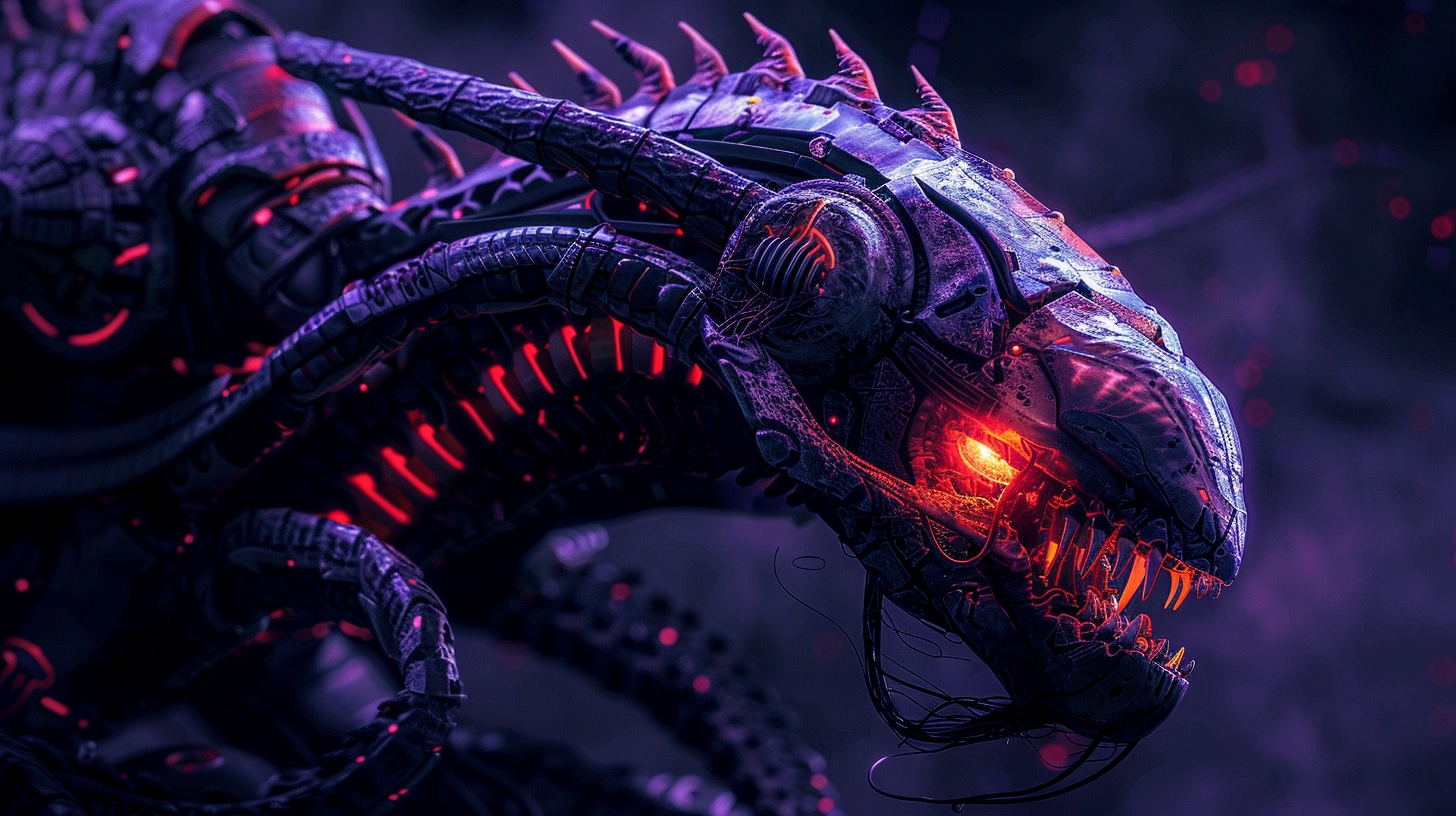
At the core of A.N.I.M.O. lies the idea of digital life and the evolution of virtual beings. The project creates a fictional world where characters are not static objects but evolve based on experience, environment, and user decisions. This approach brings the game closer to life simulations and experimental digital environments. The philosophy of A.N.I.M.O. is closely tied to Web3 principles, where users retain control over their assets and progress. Characters exist as independent digital entities, and their history and development are recorded on the blockchain, ensuring transparency and immutability of data.
An additional element of the concept is the rejection of a linear storyline. The A.N.I.M.O. world evolves asynchronously, responding to the collective activity of players. This creates the feeling of a living ecosystem rather than a predefined gameplay path. The project is positioned as a long-term digital environment where value is formed through time, interaction, and accumulated experience, rather than short gaming sessions.
2. Gameplay and AI Mechanics
The gameplay of A.N.I.M.O. revolves around interaction with digital creatures that possess their own characteristics, behavioral models, and growth potential. Players influence character development through choices of actions, environmental conditions, and interaction strategies. AI mechanics play a key role in the gameplay, allowing characters to adapt and learn. Their behavior is shaped by accumulated experience, making each creature unique.
This approach reduces predictability and encourages experimentation. Users do not simply “level up” characters, but observe their evolution and behavioral changes. As a result, the gameplay takes on an exploratory nature, where the value lies not in reaching an end goal but in the process of interacting with digital life itself.
3. NFT Characters and In-Game Digital Assets
NFTs form the foundation of the ownership system in A.N.I.M.O. Each character is represented as a unique token containing data about its attributes, appearance, and development history. This ensures true digital ownership and independence of assets from the platform.
- NFT characters with individual parameters and behavior
- Unique abilities and evolutionary paths
- Collectible elements and visual modifications
- Assets available for exchange and trading
The NFT model allows characters to be viewed as long-term digital entities whose value is formed over time. The development history of each NFT becomes part of its uniqueness. This approach strengthens the emotional connection between the user and the asset, turning NFT ownership into a meaningful process rather than mechanical accumulation.
4. Economy and Web3 Architecture
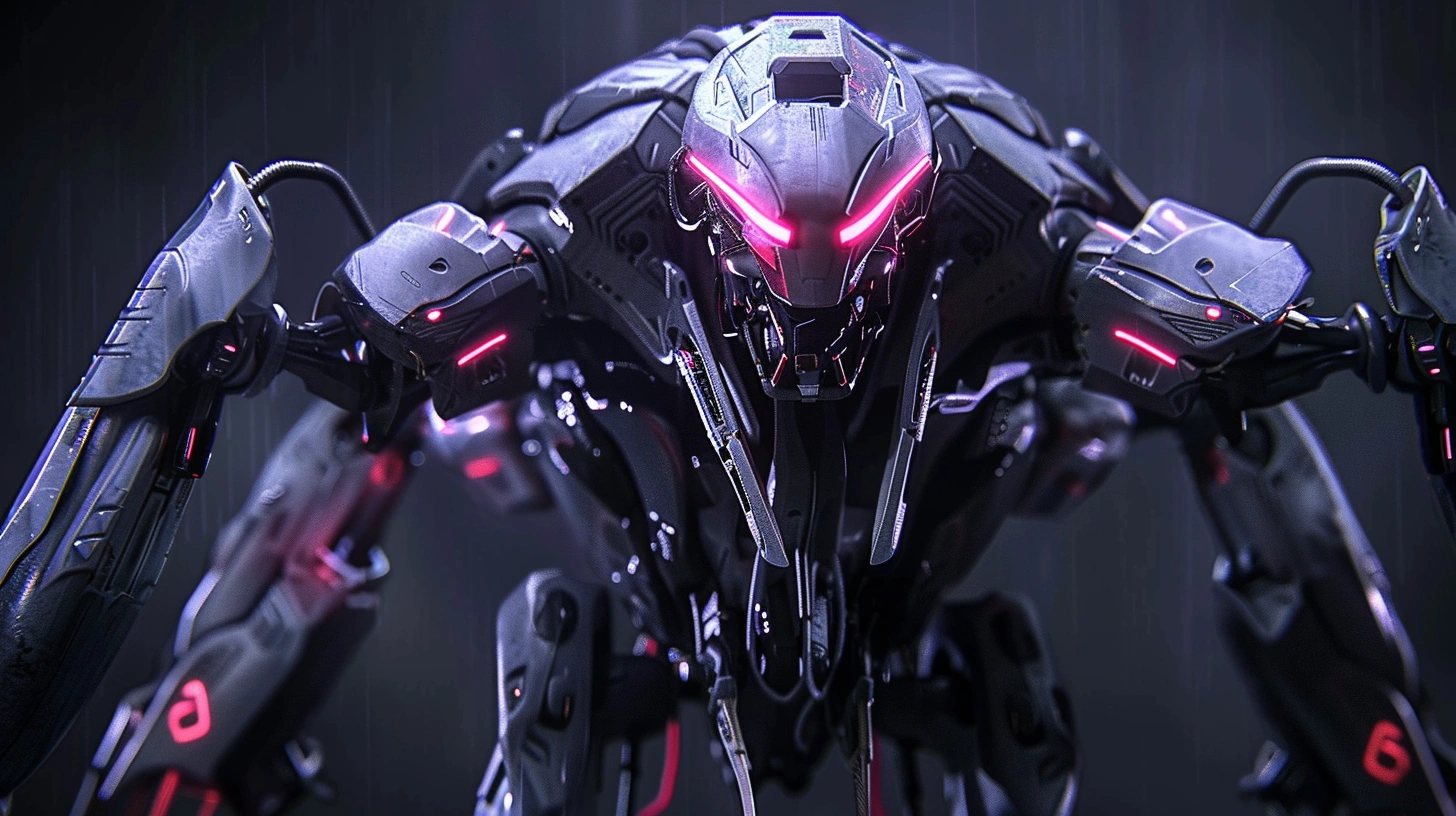
The economic model of A.N.I.M.O. is built on Web3 principles and is designed to support sustainable interaction between players, digital assets, and gameplay mechanics. All economic elements are embedded into the gameplay loop and depend on user activity. The project’s economy encourages participation and development rather than passive token holding. Rewards are directly tied to player actions within the ecosystem.
| Element | Purpose | Role in the Ecosystem |
|---|---|---|
| In-game tokens | Rewards and settlements | Character development and activity participation |
| NFT assets | Digital ownership | Core of progression and economy |
| Marketplace | Asset trading | Economic interaction between players |
The economic system includes mechanisms for emission control, supply limitations, and demand balancing. This reduces inflationary risks and helps maintain asset value. The use of blockchain ensures transparency of all transactions and builds user trust.
5. Ecosystem and Development Prospects of A.N.I.M.O.
A.N.I.M.O. is evolving as a scalable Web3 ecosystem that brings together the game, NFT assets, and the community. The project emphasizes gradual expansion of functionality and the introduction of new interaction scenarios. The community plays a significant role, influencing ecosystem development through activity and feedback. This approach increases the project’s flexibility and its ability to adapt to audience interests.
In the future, integration of social tools, additional game modes, and partnerships with Web3 platforms is possible. This creates a foundation for sustainable growth and expansion of the ecosystem beyond a single game. The development of A.N.I.M.O. may lead to the formation of a unified digital space where users interact with characters across different contexts and ecosystem products. An open architecture and modular approach simplify the implementation of innovations and third-party solutions. As a result, the project has the potential to evolve into an independent platform with long-term value for players and partners.
6. Conclusion
A.N.I.M.O. demonstrates how gameplay mechanics, NFTs, and Web3 technologies can be combined into the concept of a living digital ecosystem. The project goes beyond traditional blockchain games by emphasizing character evolution and meaningful interaction. The use of AI mechanics, a focus on long-term development, and a transparent economic model make A.N.I.M.O. a promising representative of the next generation of Web3 games.
In the long term, A.N.I.M.O. is capable of forming a sustainable community where value is created not only through NFT ownership but also through active player participation. The project lays the groundwork for new forms of digital identity and interaction between users and virtual entities. Thus, A.N.I.M.O. may become a reference point for future gaming ecosystems at the intersection of AI, Web3, and interactive experiences.











