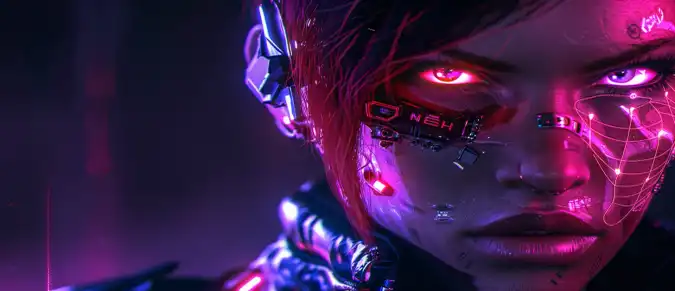

Trouble Punk is a Web3-oriented blockchain game that combines fast-paced action gameplay, NFT mechanics, and a decentralized economic model. The project creates an alternative game reality inspired by cyberpunk culture and the idea of digital freedom, where users gain true ownership of characters and in-game assets. Unlike traditional games, Trouble Punk builds its gameplay and progression around blockchain infrastructure, making digital assets not an add-on but the foundation of the entire ecosystem.
Contents
- Concept and Philosophy of Trouble Punk
- Gameplay and Core Mechanics
- NFT Characters and In-Game Assets
- Economy and Web3 Model of the Project
- Ecosystem and Future Development of Trouble Punk
- Conclusion
1. Concept and Philosophy of Trouble Punk
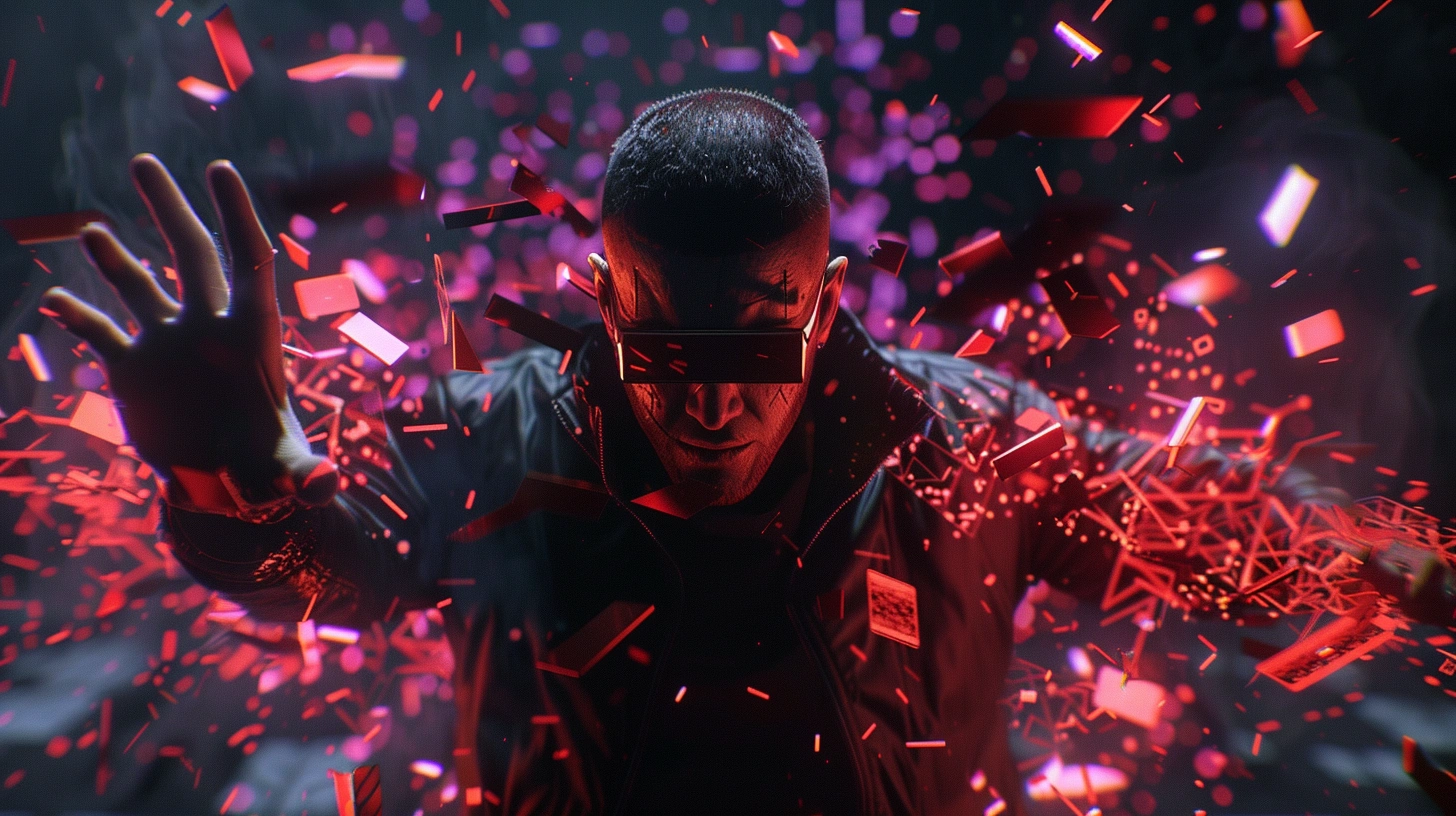
At the core of Trouble Punk lies the idea of digital resistance and self-expression within a decentralized environment. The game presents a world where characters exist outside centralized rules and create their own interaction models. This concept closely aligns with the Web3 philosophy, where control over digital assets belongs to users rather than platforms. The visual style and narrative foundation draw heavily from cyberpunk aesthetics and street culture, emphasizing the conflict between freedom and control. These elements not only shape the atmosphere but also deepen player engagement, turning gameplay into part of a broader cultural narrative.
The project’s philosophy highlights the value of individuality and player-driven decision-making. Trouble Punk does not impose a single optimal progression path, instead encouraging experimentation and personalized playstyles. This approach makes the gaming experience more flexible and strengthens emotional attachment to characters. The concept is designed for long-term value, where character development, asset ownership, and ecosystem participation carry equal importance, setting the project apart from short-term Play-to-Earn models and increasing its overall sustainability.
2. Gameplay and Core Mechanics
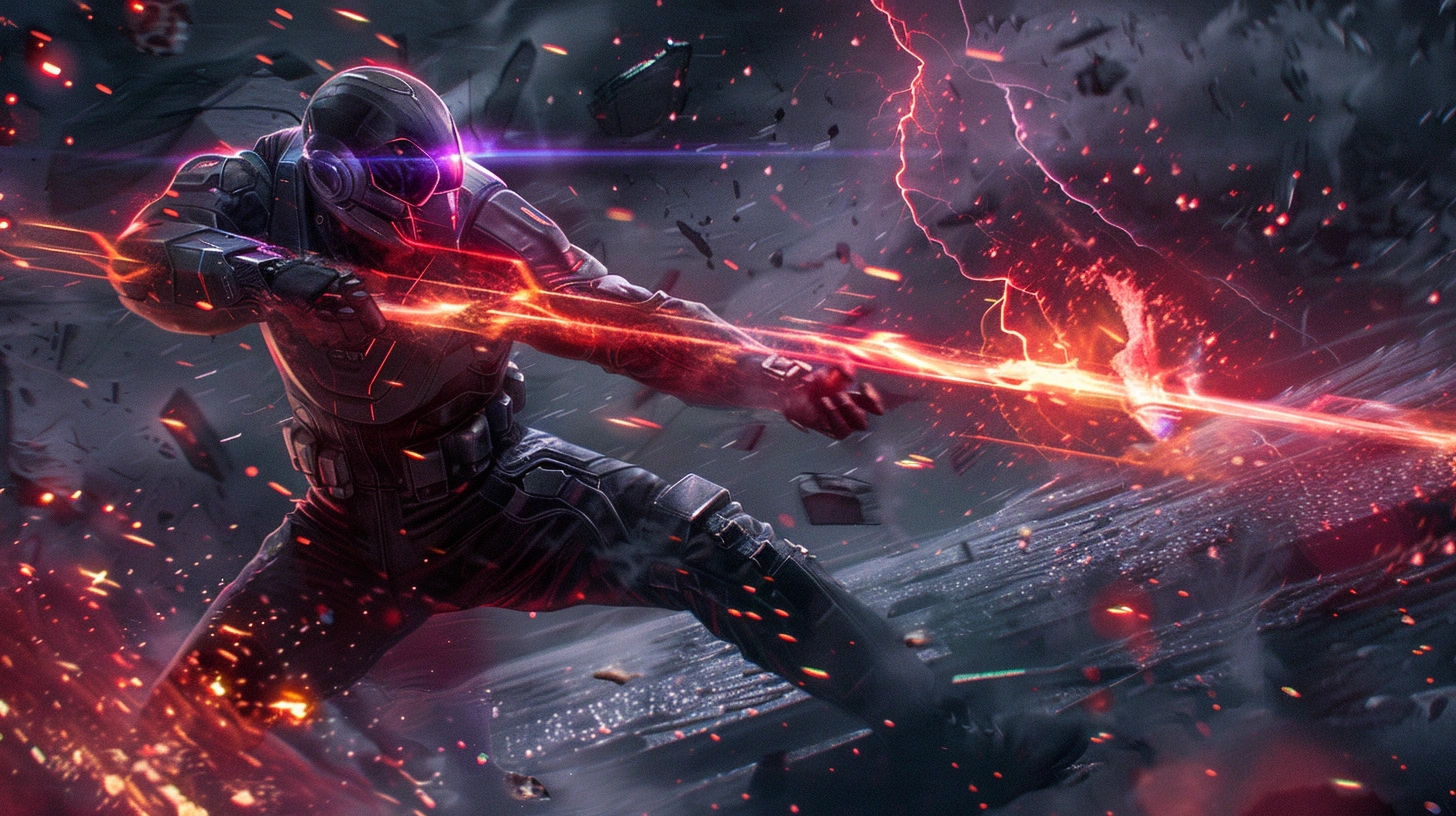
Trouble Punk’s gameplay is built around dynamic combat encounters and tactical decision-making. Players control characters with unique attributes, fighting styles, and customization options. The outcome of each battle depends not only on reaction speed but also on strategic planning and equipment selection. Both solo and competitive modes are available, allowing players to balance individual progression with competitive interaction. This structure keeps gameplay varied and reduces the risk of monotony over extended play sessions.
Additional depth is introduced through positioning, timing, and environmental interaction. These mechanics require players to analyze situations and adapt strategies in real time, making each encounter distinct and unpredictable. Character progression systems play a critical role, as skill upgrades and stat improvements directly impact combat effectiveness. These systems are closely tied to the economic model, forming a unified cycle of progression, rewards, and long-term growth.
3. NFT Characters and In-Game Assets
NFTs are a central element of Trouble Punk and the foundation of digital asset ownership. Each character is represented as a unique token containing data on appearance, attributes, and rarity. This ensures transparent ownership and enables players to freely manage their assets.
- NFT characters with unique parameters and visual styles
- Equipment and items that enhance character attributes
- Rare collectible elements with limited supply
- Assets used for customization and character progression
One of the key advantages of the NFT model is asset portability beyond the game itself. Players can view their NFTs not only as gameplay tools but also as part of a broader digital collection. This strengthens the sense of real ownership and long-term value. As a result, players are encouraged to invest time and resources into character development, as each asset may carry both gameplay utility and market significance.
4. Economy and Web3 Model of the Project
The economic model of Trouble Punk is built on Web3 principles and aims to maintain a sustainable balance between gameplay and financial systems. In-game tokens and NFTs are used for rewards, upgrades, and player interactions. Each economic component serves a clearly defined purpose and is integrated into the overall progression loop. This structure prevents a disconnect between gameplay and financial incentives, helping to preserve long-term player motivation. Below are the key elements of the project’s economy and their roles within the ecosystem.
| Element | Purpose | Role in the Ecosystem |
|---|---|---|
| In-Game Tokens | Rewards and transactions | Character development and activity participation |
| NFT Assets | Digital ownership | Core foundation of gameplay and economy |
| Marketplace | Asset trading | Economic interaction between players |
The economic system also includes token burning mechanisms and controlled issuance, allowing the project to manage the volume of assets in circulation. This approach reduces inflation risks and supports long-term resource value. Because the economy is tightly integrated with gameplay, the value of tokens and NFTs is driven by real utility rather than short-term speculation.
5. Ecosystem and Future Development of Trouble Punk
The Trouble Punk ecosystem is evolving as a comprehensive Web3 platform that brings together the game, marketplace, and community. The project emphasizes user engagement by offering opportunities for competition, interaction, and collaborative growth. The community plays a significant role in shaping the project’s future through feedback and active participation in gameplay systems. This approach increases transparency and strengthens trust within the ecosystem.
Looking ahead, the development team plans to expand content, introduce new modes, and enhance social features. Potential collaborations with other Web3 projects could further integrate Trouble Punk into the broader blockchain landscape. By combining a strong conceptual vision, NFT mechanics, and a sustainable economy, the project has the potential to secure a notable position among blockchain games focused on long-term audience engagement.
6. Conclusion
Trouble Punk demonstrates how blockchain technologies can be seamlessly integrated into gameplay, creating not only entertainment but a fully developed digital ecosystem. The project combines action-oriented gameplay, NFT ownership, and a Web3-driven economy, shaping a new model of interaction between players and digital assets. Its focus on sustainability, economic balance, and an active community positions Trouble Punk as a promising representative of the Web3 gaming segment capable of growing beyond short-term trends.
Additional value comes from the emphasis on functional utility of digital assets rather than speculative models. As content and mechanics continue to expand, the platform may strengthen its position as an independent Web3 gaming ecosystem. In the long term, Trouble Punk has the potential to attract both gameplay-focused players and users interested in meaningful digital ownership.











