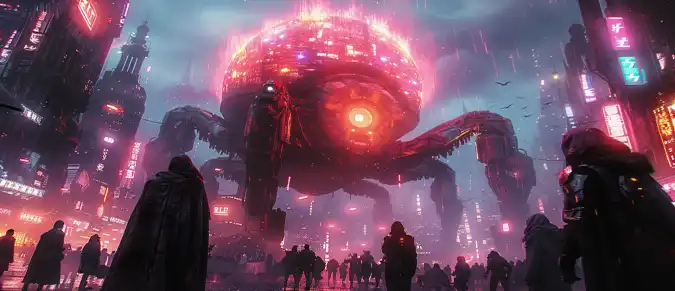

ArcheWorld is a next-generation MMORPG that combines classic online gaming mechanics with Web3 technologies. Developed by XLGAMES, the studio behind ArcheAge, the project is built not around an experimental blockchain concept, but around a fully developed virtual world with crafting, housing, trading, naval exploration, and PvP combat. One of the key features of ArcheWorld is that a significant portion of in-game assets exists as NFTs and can be owned by players. Land, buildings, items, and certain resources become part of a digital economy where player actions directly affect asset value and world development. Unlike many Play-to-Earn projects, ArcheWorld focuses on maintaining a balance between entertainment and blockchain-based economics while building a long-term MMORPG ecosystem.
Contents
- What Is ArcheWorld and How the Project Works
- Gameplay, Character Progression, and Economy
- Main Features of ArcheWorld
- Tokens and the NFT System
- The Future and Potential of ArcheWorld
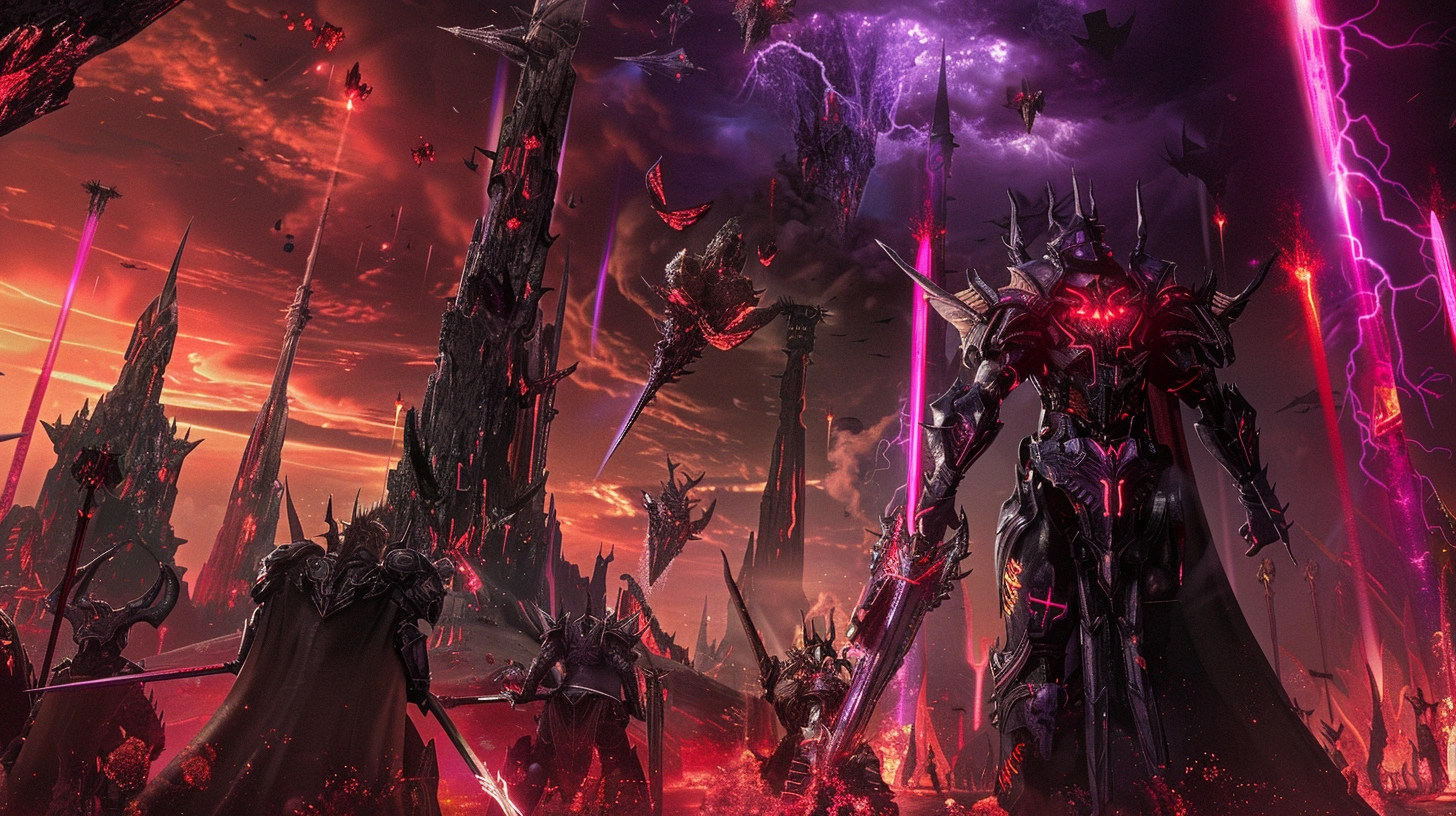
1. What Is ArcheWorld and How the Project Works
ArcheWorld is an open-world PC MMORPG built using Web3 and blockchain technologies. The project expands on the ideas of the original ArcheAge while placing a stronger focus on player-driven economics and digital ownership of in-game assets. The developers aim to create a virtual environment where players do more than complete quests and upgrade equipment — they become part of an independent economic ecosystem.
One of the core ideas behind ArcheWorld is the Play-to-Own model. In traditional MMORPGs, all items and resources technically belong to the publisher, while players only gain temporary access through their accounts. In ArcheWorld, part of the game’s value is converted into NFTs, allowing users to own digital assets directly. This includes land plots, collectible items, and selected in-game objects.
At the same time, the developers are not focused solely on blockchain functionality. ArcheWorld remains a full-scale MMORPG featuring a massive world, character progression systems, professions, trading, and PvP activities. Players are encouraged to explore territories, gather resources, craft items, and interact with others across the server. Because of this, the project attempts to attract users not only through earning opportunities but also through engaging gameplay.
The in-game economy is built around player activity. The more active the community becomes, the more stable the marketplace and social systems remain. That is why ArcheWorld emphasizes cooperation, guilds, trading, land rental, and collective world development.
2. Gameplay, Character Progression, and Economy
ArcheWorld combines traditional MMORPG gameplay with elements of Web3 economics. Players begin by developing their characters, exploring the world, collecting resources, and gradually unlocking new activities. The game includes monster hunting, PvP battles, trading routes, crafting professions, and naval content.
One of the key resources in the game is Archeum — an in-game material required for progression and production systems. Players obtain it through various activities and later use it for crafting, trading, and character upgrades. This creates a direct connection between gameplay progression and the project’s economic structure.
The profession system also plays an important role in world development. Some users focus on gathering materials, others craft equipment, while some specialize in transportation, trade, or territorial control. As a result, ArcheWorld functions as a living social ecosystem where the value of resources depends on player demand.
Land ownership adds another layer to the economy. Landowners can build houses, establish production facilities, grow resources, and rent property to other players. This approach transforms virtual real estate into an important gameplay mechanic rather than just a decorative feature.
The economic system depends heavily on maintaining a balance between entertainment and monetization. If players continue interacting with the world because they enjoy the experience, the ecosystem can remain stable. However, excessive speculation around tokens and NFTs could create challenges similar to those faced by many early Web3 games.
3. Main Features of ArcheWorld
ArcheWorld combines classic MMORPG systems with modern Web3 technologies to create a more advanced in-game economy. The project focuses not only on combat and progression but also on player interaction through trading, crafting, and ownership of digital assets. Many mechanics are directly tied to the open world and social systems, allowing the economy to be shaped by the community itself. This is what separates ArcheWorld from many blockchain games that focus almost entirely on tokens and NFT trading.
- Open World. Players can freely explore large regions, participate in naval travel, trading, and combat.
- NFT Land. Users can own land plots, construct buildings, and use territories for resource production.
- Play-to-Own Model. A portion of in-game assets exists as digital property that belongs directly to players.
- Player-Driven Economy. The marketplace is based on demand, crafting, trading, and interaction between users.
- Blockchain Integration. ArcheWorld uses Web3 infrastructure to verify NFT ownership and token transactions.
- MMORPG Mechanics. The game includes PvE, PvP, character progression, guilds, housing, and crafting.
- Social Systems. Many activities require cooperation between players, making the economy more dynamic.
- Connection to ArcheAge. The project inherits ideas from the original MMORPG, including trading, real estate, and naval gameplay.
The combination of these systems allows ArcheWorld to appear more ambitious than many other Web3 titles. The developers aim to integrate blockchain technology naturally into gameplay so that digital assets enhance the MMORPG experience instead of replacing it.
Because of this approach, ArcheWorld is viewed not only as a crypto game but also as a fully developed virtual world with its own economy and social structure. This makes the project one of the more interesting experiments in the modern Web3 MMORPG space.
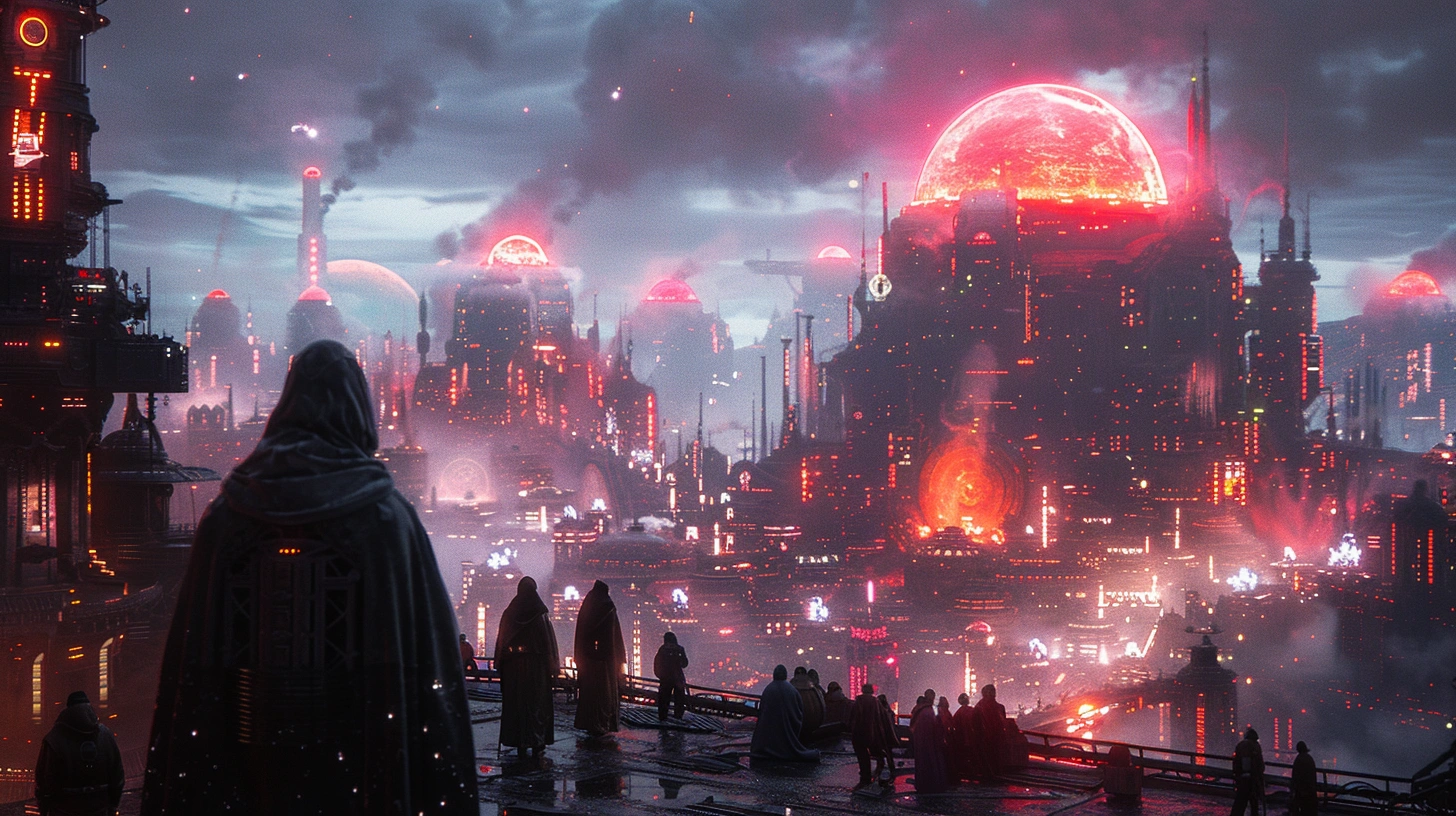
4. Tokens and the NFT System
The economic model of ArcheWorld consists of several interconnected elements. Some are used directly within the game, while others connect the ecosystem to blockchain infrastructure and NFT assets. This structure helps separate gameplay progression from marketplace operations.
The foundation of the economy is based on digital ownership, where players can not only develop characters but also participate in a full-scale trading ecosystem. Tokens and NFTs are used for commerce, production, territorial development, and interaction between users. As a result, ArcheWorld creates a more advanced economic system than traditional MMORPGs.
| Element | Type | Main Purpose | Role in the Ecosystem |
|---|---|---|---|
| Archeum | Game Resource | Used for progression and production | Connects player activity with the economy |
| BSLT | Utility Token | Used for payments and exchange | Supports marketplace operations within the project |
| BORA | Ecosystem Token | Functions as an external infrastructure asset | Connects ArcheWorld with the wider Web3 environment |
| Land NFT | NFT Asset | Represents ownership of land plots | Allows players to build, rent, and develop territories |
The most valuable assets for many players are Land NFTs. Landowners gain advantages in production and infrastructure development while also participating in the economy through renting and trading. However, the value of these assets depends heavily on the popularity of the project and the activity of the player base.
The developers are trying to avoid turning the economy into a purely speculative market. For this reason, tokens and NFTs are designed to remain closely connected to gameplay systems rather than existing independently. This principle is one of the main differences between ArcheWorld and many early Play-to-Earn projects.
5. The Future and Potential of ArcheWorld
ArcheWorld is considered one of the more notable projects in the Web3 MMORPG genre because of its combination of classic MMO mechanics and blockchain technologies. The game expands on the ideas of ArcheAge while introducing digital ownership, an open-world economy, and strong social interaction between players.
The project’s main potential lies in its Play-to-Own model, where NFTs become part of gameplay instead of functioning solely as speculative assets. Land ownership, resource production, crafting, and trade all contribute to an economy shaped directly by community activity. This approach creates a more dynamic and sustainable MMORPG ecosystem.
At the same time, ArcheWorld faces challenges common to the Web3 gaming sector. The project’s economy depends on player interest, cryptocurrency market conditions, and token stability. A decline in user activity or NFT demand could affect the value of in-game assets and the overall economic balance.
Despite these risks, ArcheWorld demonstrates how blockchain can become a natural part of an MMORPG rather than just a financial layer. The project shows that Web3 technology can support a fully developed virtual world built around ownership, interaction, and player-driven economics. If the developers succeed in maintaining a balance between gameplay and monetization, ArcheWorld could become one of the more influential examples of next-generation Web3 MMORPGs.











