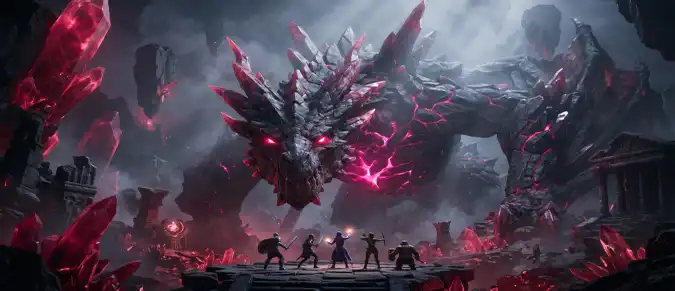

Atia's Legacy is a blockchain game set in the Axie Infinity universe, developed by Sky Mavis as an MMO for PC and mobile devices. The project expands the familiar Axie experience beyond standalone game modes into the broader world of Lunacia, featuring exploration, combat, social interaction, and long-term progression. Unlike the early Play-to-Earn model, the focus has shifted toward engaging gameplay, cooperative experiences, and the use of digital assets within a sustainable in-game economy. Below is an overview of what is currently known about Atia's Legacy, its connection to Ronin, NFTs, and its future role within the Axie ecosystem.
Contents
- What Is Atia's Legacy and Why It Matters for Axie Infinity
- Atia's Legacy Gameplay: Open World, Combat, and Axie Progression
- Atia's Legacy Blockchain Economy, Ronin, and NFT Assets
- Playtests, Development, and Known Platform Launch Milestones
- The Future and Risks of the Atia's Legacy Blockchain Game
1. What Is Atia's Legacy and Why It Matters for Axie Infinity
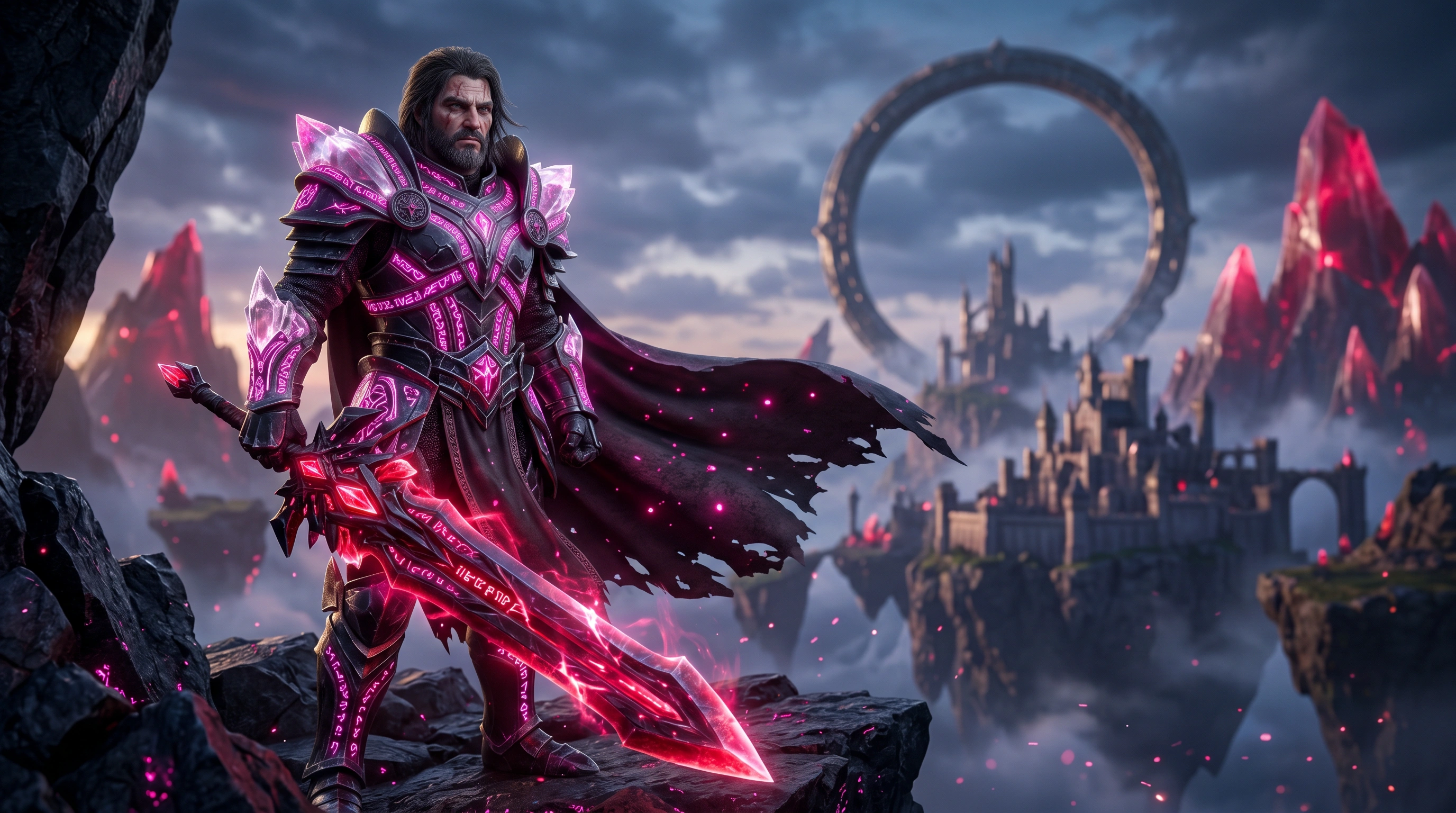
Atia's Legacy is a massively multiplayer online game set in Lunacia, the primary world of Axie Infinity. Sky Mavis positions the project as the next major step for the franchise. Instead of offering a standalone battler or land simulator, the developers are building a complete MMO environment where Axies play an active role in exploration, combat, progression, and social interaction.
For the Axie Infinity ecosystem, this represents a significant evolution. Earlier titles focused on collecting Axies, turn-based battles, breeding mechanics, and token-based gameplay. Atia's Legacy is designed to combine these experiences into a single persistent world where digital assets derive value not only from trading but also from their practical utility throughout the game.
The title refers to Atia, an important figure in Axie lore. According to published materials, the story centers on rebuilding Lunacia after years of conflict. This narrative provides the foundation for PvE quests, dungeons, city hubs, guild systems, and future competitive activities between groups of players.
2. Atia's Legacy Gameplay: Open World, Combat, and Axie Progression
The biggest difference between Atia's Legacy and the original Axie Infinity is its transition to active MMO gameplay. Players explore diverse locations, complete quests, participate in real-time battles, and develop their Axies. Early previews suggested squad-based gameplay, while later playtests introduced experiments with direct control of individual Axies, including basic attacks, dash abilities, and ultimate skills.
This approach makes the combat system less dependent on automated calculations and places greater emphasis on player skill. Positioning, timing, dodging enemy attacks, and understanding opponents' abilities become essential elements of gameplay. These mechanics are especially important in an MMO environment, where dungeons, boss encounters, and guild activities require both strong characters and coordinated teamwork.
Current materials and playtests highlight several core gameplay features:
- Exploration of the world of Lunacia and discovery of new regions.
- PvE quests, dungeons, and challenging boss battles.
- Direct control of Axies during combat.
- Character progression, skill upgrades, and equipment enhancement.
- Social hubs for communication and player coordination.
- Guild systems designed for endgame content.
- Crafting mechanics and resource gathering.
- Potential integration of existing Axie NFTs and Land NFTs.
Atia's Legacy is designed to appeal to a broader audience than early blockchain games. The developers aim to make the game accessible even to players with no prior experience in Web3, while introducing blockchain functionality gradually so that it enhances rather than interrupts the core gameplay experience.
As additional testing phases continue, individual gameplay systems are still being refined, meaning the final release may differ from early demonstrations. However, the overall direction is already clear: Sky Mavis is focused on building a full-scale MMO where exploration, cooperative gameplay, and long-term character progression take priority over blockchain mechanics. This philosophy could make Atia's Legacy attractive not only to existing Axie Infinity fans but also to traditional MMO players who are new to Web3 gaming.
3. Atia's Legacy Blockchain Economy, Ronin, and NFT Assets
The technical foundation of Atia's Legacy is built on Ronin, the blockchain infrastructure developed by Sky Mavis to scale the Axie Infinity ecosystem. Ronin supports EVM-compatible smart contracts and is optimized for gaming environments where players frequently interact with digital assets, cryptocurrency wallets, and in-game marketplaces.
One of the defining characteristics of Atia's Legacy is its cautious approach to blockchain integration. During playtests, Sky Mavis has focused primarily on gameplay, balance, controls, and the overall player experience before introducing a complete in-game economy. This differs from the early generation of Web3 games, where token rewards and earning opportunities often became the primary motivation. In Atia's Legacy, NFTs and tokens are intended to enhance gameplay rather than replace it.
| Component | Role in Atia's Legacy | Value for Players |
|---|---|---|
| Ronin | Sky Mavis blockchain network | Infrastructure for digital assets and blockchain transactions |
| Axie NFT | Collectible creatures linked to gameplay progression | Potential use in combat, progression, and customization |
| Land NFT | Virtual land assets from Axie Infinity | May become part of guild, building, or resource management systems |
| AXS | Governance token of the Axie ecosystem | Connected to governance and future economic features |
| Ronin Wallet | Wallet for managing Ronin-based assets | Provides access to NFTs, tokens, and future on-chain functionality |
It remains uncertain how strongly existing NFTs will influence game balance. For a sustainable MMO, rare digital assets should provide meaningful utility without creating unfair competitive advantages. For this reason, Sky Mavis is expected to introduce and refine the game's economic systems gradually.
As development progresses, the functionality of digital assets is expected to expand while maintaining a balance between gameplay and blockchain mechanics. This iterative approach allows the developers to refine the economy based on playtest results and community feedback, reducing the risk of long-term imbalance. If this strategy continues after launch, Atia's Legacy could become an example of a more mature integration of blockchain technology into modern MMO games.
4. Playtests, Development, and Known Platform Launch Milestones
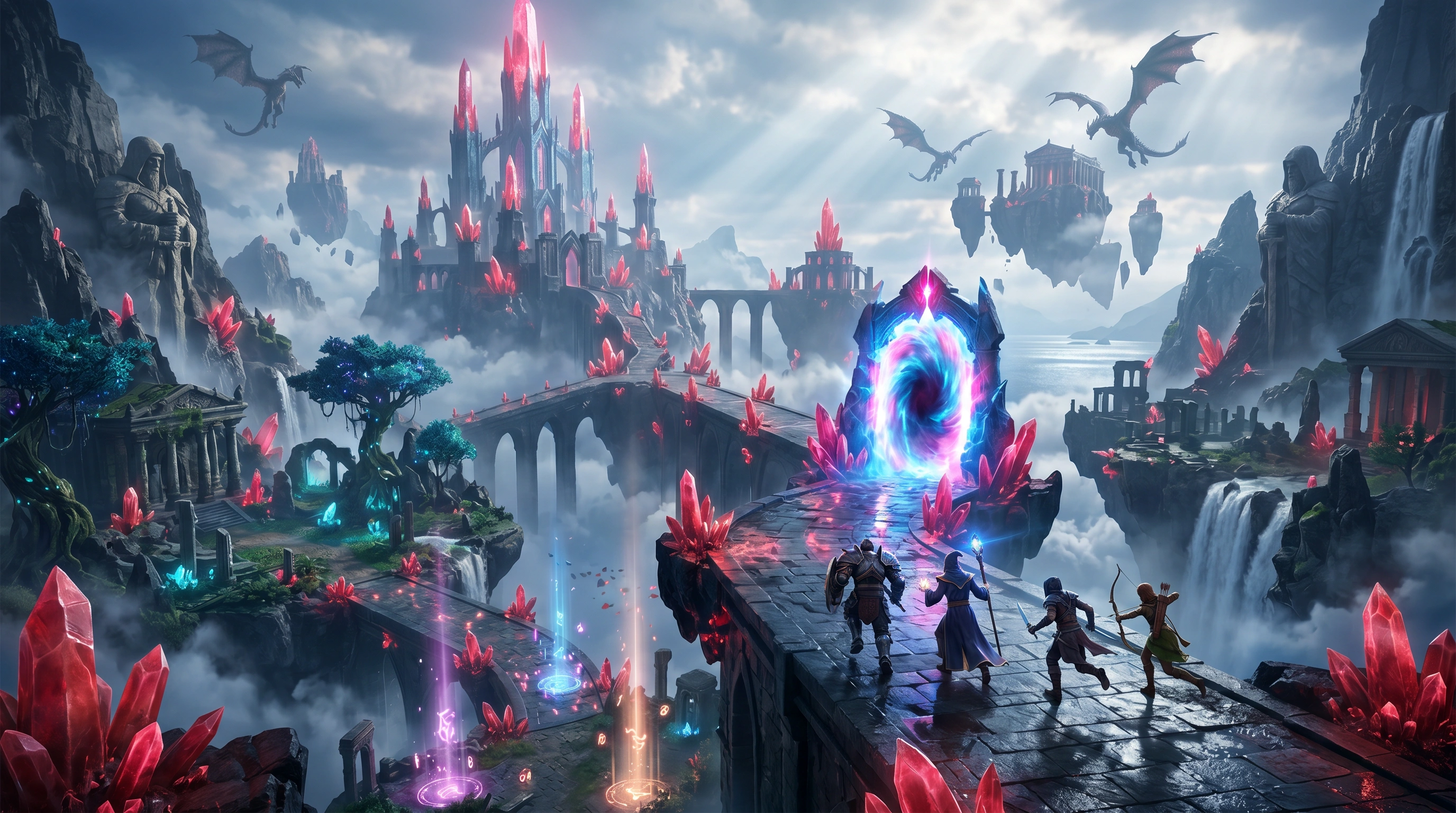
Atia's Legacy was officially unveiled in 2025, although Sky Mavis had begun development well before the public announcement. The first trailer introduced the project's overall direction, showcasing an open world, exploration across Lunacia, real-time combat, social hubs, and a much broader role for Axies as active companions throughout the game.
Playtests have become the primary tool for validating gameplay concepts and technical systems. Early testing phases involved a limited number of participants selected through a pre-registration process, allowing the developers to gather valuable feedback on combat mechanics, user interface design, game balance, technical stability, and overall player expectations.
By 2026, Atia's Legacy entered its second major playtest with noticeable improvements to combat. Public information highlighted more active player control, reduced reliance on automated mechanics, and the introduction of a high-risk dungeon. These changes demonstrate that the project remains in an iterative stage of development rather than approaching its final release.
For players, this means that currently available information should not be viewed as the final version of the game. Large-scale MMOs typically go through multiple stages of development, including closed testing, expanded playtests, economy balancing, platform optimization, and only then a full commercial launch. As a result, expectations regarding token utility, NFT functionality, or the final progression system should remain cautious until the official release.
5. The Future and Risks of the Atia's Legacy Blockchain Game
Atia's Legacy represents a natural evolution of the Axie Infinity ecosystem. The project benefits from an established intellectual property, a large and active community, the Ronin blockchain, and Sky Mavis' experience in building Web3 gaming infrastructure. Its greatest strength lies in shifting the focus away from short-term earning opportunities toward traditional MMO values such as progression, exploration, cooperation, and long-term player engagement.
Despite its potential, the project also faces significant challenges. A successful MMO requires continuous content updates, reliable server infrastructure, balanced gameplay, and a sustainable in-game economy. Blockchain integration introduces additional complexities, including token price volatility, NFT speculation, onboarding difficulties for new users, and the challenge of ensuring that ownership never becomes more important than gameplay itself.
The long-term success of Atia's Legacy will largely depend on whether Sky Mavis can create an engaging MMO experience that remains enjoyable even without blockchain features. If exploration, combat, guild systems, and character progression are compelling on their own, blockchain assets can serve as meaningful enhancements rather than the primary attraction. However, if the game's economy once again becomes the central focus, it may face many of the same issues experienced by the first generation of Play-to-Earn titles.
From the perspective of both the cryptocurrency and gaming industries, Atia's Legacy is more than just another Axie Infinity title. It serves as an important test of how far Web3 gaming has evolved, demonstrating a shift from simple NFT ownership toward deeper game design where digital ownership supports the player experience instead of defining it.











