

In today's digital world, where data has become a new valuable asset, issues of its security, confidentiality, and accessibility are increasingly critical. Traditional centralized storage services demonstrate vulnerabilities, being susceptible to attacks and limiting users' control over their own information.
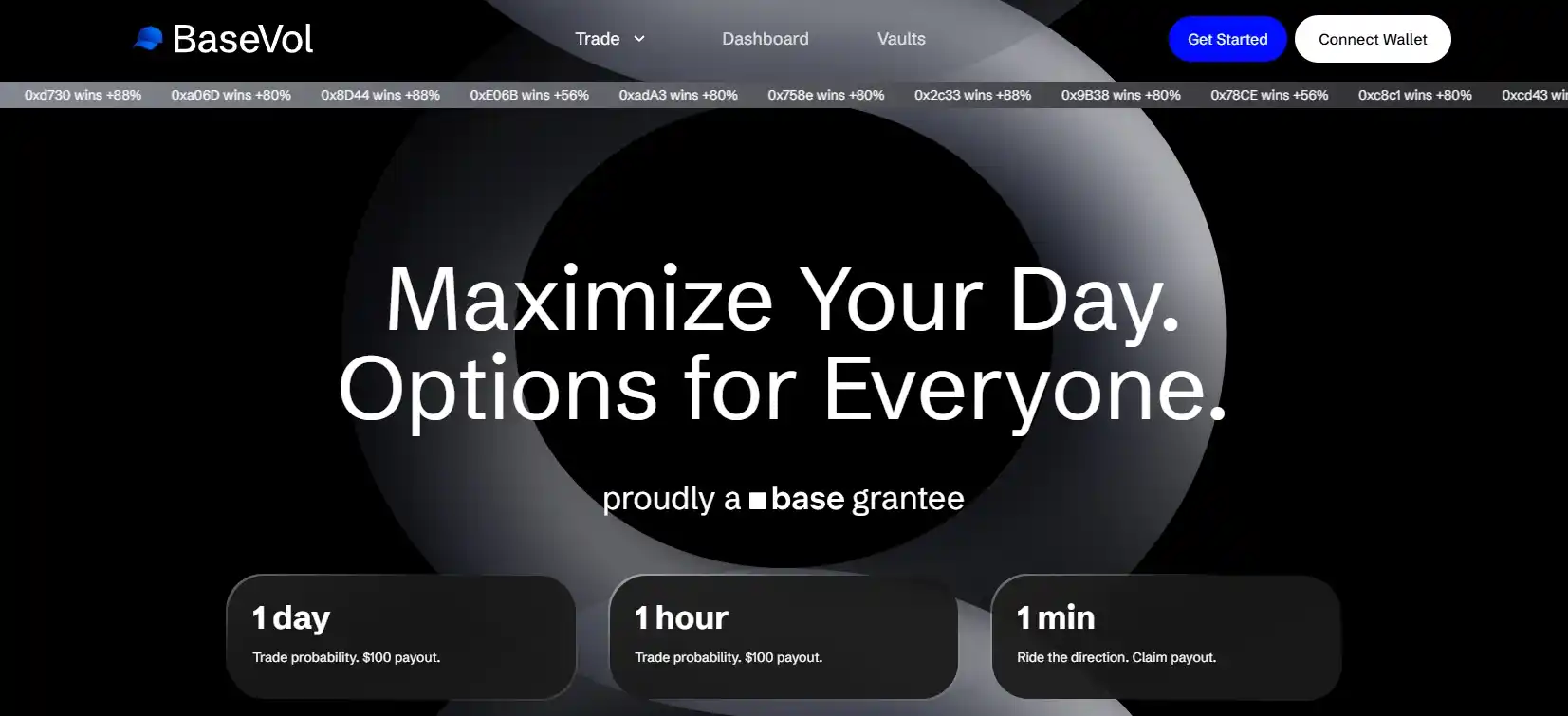
The BaseVol project offers an innovative solution to these problems, presenting itself as a decentralized platform built on advanced principles of blockchain technology. This is not just another service, but a fundamentally new perspective on how we can store and manage digital assets in the Web3 era, ensuring unparalleled reliability and genuine data sovereignty.
Contents:
- BaseVol Philosophy
- Platform Architecture
- Key User Benefits of the Project
- Token Role in the Ecosystem
- Prospects and Roadmap for BaseVol Development
- Conclusion
BaseVol Philosophy
The core idea of BaseVol is to create a resilient, secure, and independent infrastructure for storing digital information. Unlike classical models where files are hosted on a single provider's servers, this platform distributes data across an extensive network of independent nodes.
This approach eliminates single points of failure, significantly enhancing the system's overall fault tolerance. Users gain complete control over their content, without the risk of censorship or unauthorized access by third parties. The project aims to build an environment where security and privacy are not optional features but fundamental standards embedded into the architecture.
Platform Architecture
The technical foundation of the platform is built on the principles of distributed storage and cryptographic data protection. Upon upload, each file undergoes multi-stage processing ensuring maximum reliability and integrity. The key operational stages of the system include:
- Automatic division into protected fragments
- Distributed storage across independent network nodes
- Continuous integrity verification of information
- Instant recovery upon user request
To ensure constant data availability, erasure coding technology is employed, allowing the restoration of original information even with the partial loss of fragments. This entire complex mechanism operates seamlessly for the end-user, offering a simple and intuitive interface for interacting with the storage system.
Key User Benefits of the Project
Using BaseVol provides a number of significant advantages compared to traditional alternatives. The foremost is enhanced security, achieved through end-to-end encryption and the absence of a centralized storage repository that could be targeted by hackers. Equally important is the system's high fault tolerance – the failure of even several nodes will not lead to data loss.
Furthermore, users are freed from the risk of censorship and gain full sovereignty over their digital assets. The decentralized nature of the platform also contributes to reducing long-term storage costs due to competition among node operators.
Token Role in the Ecosystem
The project's native cryptocurrency serves as a fundamental element of the entire economic model, facilitating interaction among platform participants. This digital asset performs several key functions, creating a balanced system of settlements and incentives. The economic model is designed to align the interests of all parties involved in the network's operation.
| Token Function | Purpose in the System |
|---|---|
| Settlement Operations | Primary currency for paying data storage and processing services |
| Participant Incentives | Reward for node operators providing resources |
| Reliability Assurance | Collateral mechanism for enhancing network security |
| Governance Participation | Voting rights on important platform development decisions |
The implemented model creates a sustainable, self-sufficient economy where every participant is motivated to maintain stability and develop the infrastructure. Using a single settlement medium simplifies interaction between clients and service providers, forming a transparent and efficient collaborative environment.
Prospects and Roadmap for BaseVol Development
The BaseVol team sees its project as a fundamental component of the future Web3 ecosystem. The current development roadmap includes several key stages aimed at scaling the platform and expanding its functionality. Integration with other blockchain networks and decentralized applications (dApps) is planned, enabling BaseVol to be used as reliable storage for various services.
Tools for corporate clients requiring enhanced security guarantees and customization are also under development. Further steps include optimizing consensus mechanisms and implementing new protocols to increase data processing speed.
Conclusion
BaseVol positions itself not merely as another cloud storage service, but as strategically important infrastructure for the new generation of the internet. The project offers a compelling response to growing challenges in information protection and user digital sovereignty.
Thanks to its decentralized architecture, robust economic model, and clear vision for the future, it has every chance of becoming one of the key elements in the developing Web3 ecosystem. As the world becomes increasingly digital, the importance of technologies like BaseVol, ensuring reliability, security, and control over data, will only grow, opening new opportunities for individuals and businesses alike.











