

Binemon is a mobile blockchain game built on BNB Chain, combining NFT pets, gacha mechanics, turn-based battles, idle progression, and the Play-to-Earn model. The project develops the idea of digital creatures that are not just game characters but real NFT assets with unique traits. A low entry threshold, mobile accessibility, and a structured economy allow Binemon to remain attractive for players seeking a balance between entertainment and monetization. Thanks to the BineLand universe, the game is gradually transforming into a full Web3 metaverse with social mechanics.
- Binemon: project concept and key features
- The BineLand world, pets, and gameplay structure
- BIN, DRK and AMB tokens: internal economy
- Binemon technologies and architecture
- Project prospects and risks
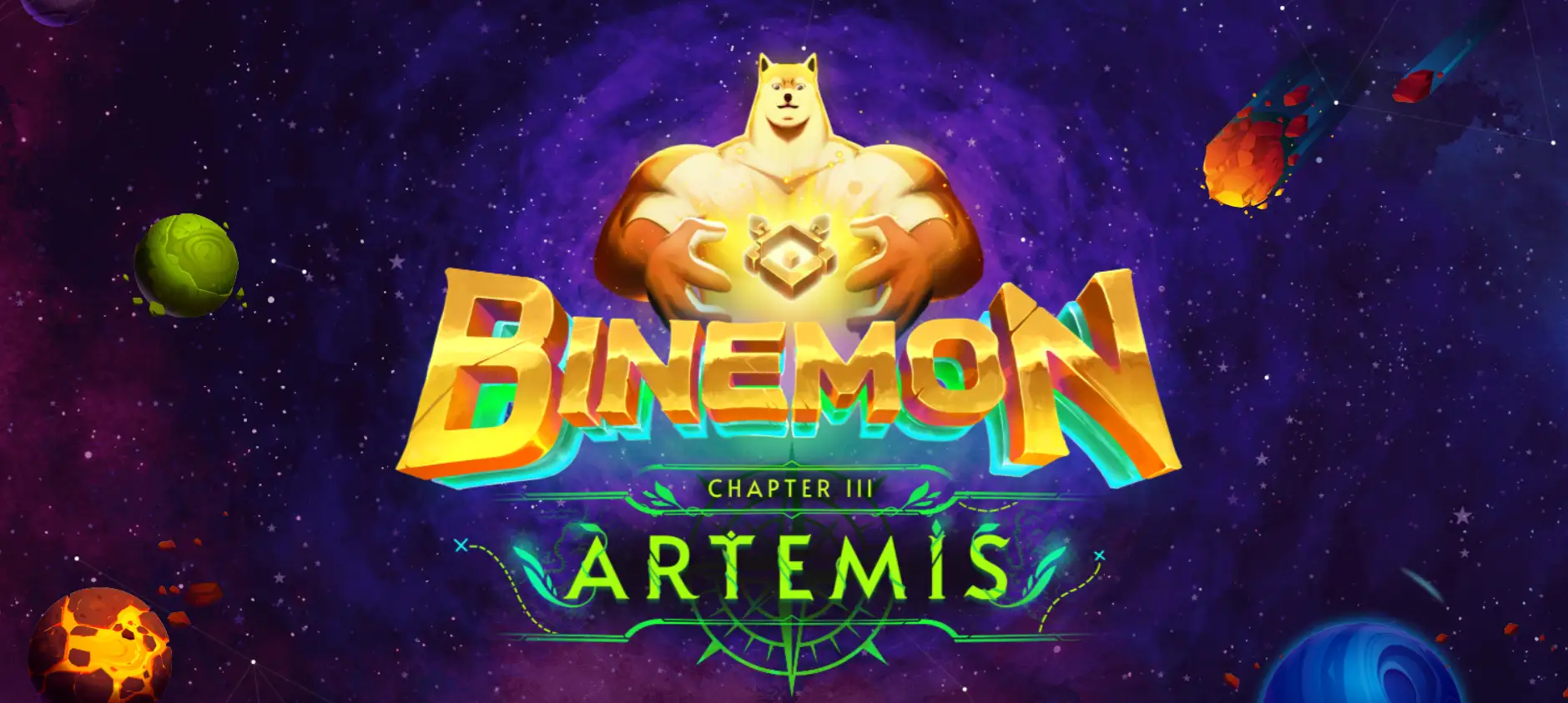
Binemon: project concept and key features
Binemon develops the idea of digital pets that exist as NFT tokens and possess unique characteristics, rarity levels, and visual styles. The player forms a team of creatures, participates in battles, earns rewards, explores locations, and interacts with other members of the ecosystem. The project launched in 2021 and grew during the GameFi boom, combining classic mobile RPG elements with actual ownership of digital assets.
The project concept is built around three foundational ideas: collection, progression, and economy. Collection emerges through the gacha system, which enables players to obtain new pets; progression is shaped by levels, skills, and creature fusion; the economy is based on tokens that can be exchanged and withdrawn beyond the game. This approach makes Binemon both an entertainment product and a gateway into the crypto-economy.
The BineLand world, pets, and gameplay structure
The BineLand game world consists of several stylized continents — ice, fire, desert, water, and forest. These zones vary in enemy types, available resources, story missions, and rewards. In the center of the world stands the symbolic Binemon Tower, setting the tone of the lore and explaining the origin of special creature abilities.
The gameplay combines exploration, turn-based battles, progression, and idle mechanics. Pets have races and classes that determine their combat roles. Their abilities include both active and passive skills, while rarity influences growth potential and strength in PvP modes. The fusion mechanic allows multiple creatures to be merged into a stronger one.
Players advance through the campaign, duel other teams, collect items, and upgrade their roster. The gacha system constantly fuels the interest in acquiring new pets, while in-game locations encourage players to return for daily rewards and resources. This creates a dynamic gameplay cycle and positions Binemon as a blend of simplicity and depth.
BIN, DRK and AMB tokens: internal economy
Binemon’s economy is based on three interconnected tokens, each regulating a separate layer of value. This model allows the game to maintain balance even during market fluctuations or changes in player activity. Clear token roles reduce inflation, create stable demand, and support natural spending cycles. As a result, gameplay remains integrated with financial motivation without being dependent on it entirely.
Main Binemon tokens:
-
BIN (Binemon Token)
The ecosystem’s main governance asset. It is used in voting and long-term programs, reinforcing the community’s role in shaping the project. BIN also reflects Binemon’s strategic value and influences investor perception. -
DRK (Draken Token)
The primary market token used for trading, fees, and various in-game operations. Its liquidity determines economic stability and ease of exchanging assets between players. DRK acts as a bridge between real crypto liquidity and in-game processes. -
AMB (Ambrosia)
The main in-game currency earned through missions and PvP battles. AMB is spent on upgrading pets, speeding up processes, and increasing creature rarity. A fixed AMB → DRK exchange rate helps maintain stable in-game pricing and prevents sharp value swings.
This three-tier model strengthens the economy and encourages players to engage in both gameplay and marketplace activity.
Binemon technologies and architecture
The technical structure of Binemon relies on the BNB Chain blockchain, which ensures low fees and high transaction speed. This is especially important for mobile Web3 games, where players expect fast and smooth interactions. NFT assets use BEP-721/1155 standards, ensuring compatibility with popular wallets and marketplaces. Another key component is Chainlink VRF integration, providing verifiable randomness for rare pet drops.
Binemon technological elements
| Technology | Purpose |
|---|---|
| BNB Chain (BSC) | A low-fee, high-throughput network optimal for GameFi projects. |
| NFT standards BEP-721/1155 | Used for pets, items, land plots, and limited artifacts. |
| Chainlink VRF | Provides transparent randomness for rewards and gacha mechanics. |
| Binemon Marketplace | In-game market for pet and item trading using DRK. |
| Mobile applications | Offer convenient access to Web3 while abstracting blockchain complexity. |
| BineLand World | An expandable metaverse with PvE campaigns, arenas, and social events. |
The table highlights the depth of the project’s technological ecosystem. External integrations expand Binemon’s flexibility, while the mobile app simplifies onboarding into Web3. This combination of technologies creates a foundation for the project’s long-term sustainability.
Project prospects and risks
The future of Binemon depends on how well the team maintains balance between game content and economic stability. With ongoing development of BineLand, new pets, expanded PvP arenas, and seasonal events, the game can continue attracting both Web3 users and traditional mobile gamers. Binemon’s appeal lies in accessibility — it is one of the few GameFi titles delivering an experience close to familiar F2P games.
However, the project faces risks: token volatility, dependence on the crypto market, competition among NFT games, and the need for constant content updates. The economy is sensitive to user activity — a drop in new players could reduce token demand. Ultimately, the project’s success relies on community engagement and the developers’ ability to adapt to industry trends.











