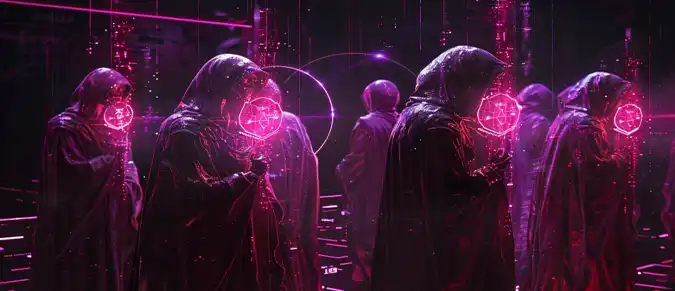

Overeality is not just a Web3 game, but a broader digital ecosystem that combines a metaverse, NFTs, and user interaction. The project focuses not only on assets, but on the environment itself, where users become part of the system with their own identity and role. This is what sets it apart from many traditional GameFi projects.
Contents
- What is Overeality and its core idea
- How interaction works in the game
- Key features of Overeality
- Token and digital asset table
- Overeality’s outlook and its role in Web3
1. What is Overeality and its core idea
Overeality is a Web3 project that combines a metaverse, NFTs, community, and infrastructure elements. It cannot be defined simply as a game, as it is designed as a digital environment where users interact with assets, identity, and other participants.
Unlike traditional games, value is created not through gameplay itself but through participation in the ecosystem: owning NFTs, engaging in the community, and accessing digital content. As a result, Overeality is seen as a hybrid of a metaverse and a GameFi platform. This makes the project interesting not only for players but also for those exploring Web3 development, especially in terms of digital identity and cross-platform interaction.
It is also important that the project aims to merge technology with user experience into a single system. If successfully implemented, Overeality could offer a more cohesive way to interact within Web3.
2. How interaction works in the game
Overeality focuses not on earning, but on immersing users in a digital environment where gaming and social elements work together. Community participation, access to activities, and a sense of belonging are more important than simple gameplay.
NFTs here are not just collectibles, but also tools for status, access, and personalization. They become part of the user experience, strengthening the connection between the player and the ecosystem.
The metaverse brings all these elements together into a single system where users act as active participants rather than passive observers. This approach improves engagement and creates a more diverse experience, forming a unified environment where different components support each other.
Interaction is also built around long-term engagement rather than one-time actions. Users gradually explore the ecosystem, unlocking new opportunities and use cases. This creates a more sustainable engagement model and may serve as a foundation for more advanced Web3 products in the future.
3. Key features of Overeality
Overeality stands out by combining multiple Web3 directions into a flexible and complex product model. Instead of relying on a single mechanic, it develops an ecosystem approach where different elements reinforce each other. This helps maintain user interest and expand use cases over time. Below are the key features of the project:
- Multi-layered product model. Overeality combines elements of a metaverse, Web3 game, NFT ecosystem, and tech platform, making it broader than a typical GameFi project.
- Community-driven approach. Long-term sustainability depends not only on technology but also on user engagement and active participation.
- NFTs as functional elements. NFTs serve as identity markers, access tools, and participation proofs, not just collectibles.
- Focus on interoperability. The project explores cross-system interaction, making assets and data more transferable and scalable.
- Blend of media and technology. It combines cultural NFT appeal with advanced solutions like zero-knowledge technology and digital identity.
All these features create a unified concept where technology and user experience evolve together. Their value lies in integration rather than isolation, making the project flexible but requiring careful execution. Long-term success will depend on how well these components are balanced.
4. Token and digital asset table
Overeality’s economic model appears more conceptual than fully defined in traditional tokenomics terms. However, available information highlights several types of digital assets within the ecosystem. Their value depends not just on their existence, but on how they are used in practice.
| Asset | Format | Role | Practical Value |
|---|---|---|---|
| Social token | Ecosystem token | Connects participation, incentives, and governance | Encourages user activity and engagement |
| NFT assets | Digital collectibles | Ownership, status, and access | Core of digital ownership in Web3 |
| Identity elements | Profile-based assets | User identity and participation tracking | Supports long-term engagement |
| Reward NFTs | Incentive assets | Proof of participation in campaigns | Boost engagement and activity |
| Metaverse assets | Virtual items | Enhance user experience | Support immersion and ecosystem growth |
The key factor is how well these assets are interconnected. If tokens, NFTs, and identity remain separate, the system becomes fragmented. When unified, they create a coherent user experience where digital ownership has real meaning.
5. Overeality’s outlook and role in Web3
Overeality stands out by combining key Web3 trends such as NFTs, metaverse concepts, digital identity, and interoperability. This makes it more than just a game, positioning it as a flexible platform.
However, its complexity is also a challenge. The project needs to simplify its concept for users. In Web3, success often depends on making advanced technology accessible.
Overall, Overeality aims to build a digital environment where assets, community, and technology are interconnected. Its success will depend on whether it can turn this vision into a clear and practical user experience. Long-term value and user retention will be key factors in its future.











