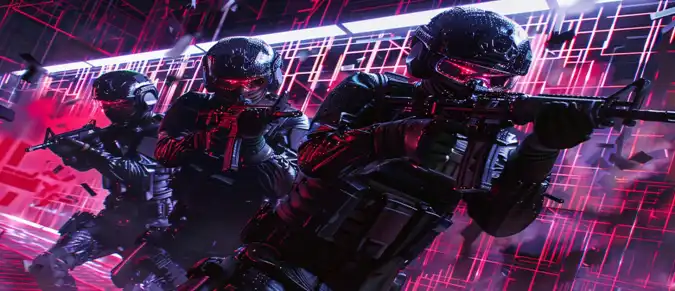

Blightbound Arena is a Web3 game focused on competitive matches, where the outcome of each battle matters more than endless grinding. The project aims to combine a dynamic PvP model with true digital ownership: items, seasonal passes, and in-game assets are structured transparently, while the economy revolves around arena participation. Unlike many GameFi projects where the token becomes the core product, here gameplay takes center stage, and blockchain serves as a supporting layer — securing ownership rights, simplifying transactions, and reinforcing long-term player motivation.
Below, we explore how Blightbound Arena is structured, how its economic model works, what role NFTs and tokens play, and which entry strategies may be reasonable for newcomers.
Contents
- Concept and Positioning of Blightbound Arena
- Gameplay and Arena Mechanics
- Blightbound Arena Economic Model and Tokens
- NFTs and Digital Ownership
- Risks, Balance, and Entry Strategy
1. Concept and Positioning of Blightbound Arena
Blightbound Arena is built around the concept of the “arena” as its central mode. At its core are fast-paced PvP sessions where players clash under time limits and predefined rules. This format appeals to an audience that values competitiveness, transparency of results, and the opportunity to consistently prove skill level. In the Web3 context, the project separates gameplay from its financial layer. The core experience remains skill-driven, while blockchain infrastructure supports asset ownership and exchange without requiring deep technical knowledge from players.
This approach distinguishes Blightbound Arena from models where the token dominates the ecosystem. Here, the emphasis lies on competition and ranking systems, while the economic layer enhances engagement without replacing it. Community also plays a crucial role: arena games thrive on rivalry and regular updates. Developers follow a seasonal structure where balance adjustments and rule changes maintain long-term interest, creating a dynamic environment that encourages adaptation.
2. Gameplay and Arena Mechanics
The gameplay loop revolves around repeatable matches. Each battle is a standalone session where preparation, build selection, and real-time decision-making are critical. Progression is achieved through match participation, equipment upgrades, and unlocking new opportunities. Every session contributes to overall account development: victories strengthen ranking positions, while defeats provide tactical insight. Adapting to the evolving meta is essential, as different item and skill combinations rise or fall in effectiveness throughout a season. This strategic depth makes the arena format dynamic and unpredictable.
Core gameplay structure includes:
- Build Preparation — selecting items and parameters before battle.
- Time-Limited Matches — fast-paced sessions with clear win conditions.
- Ranking System — progression through leagues and divisions.
- Seasonal Events — temporary modes and additional rewards.
- Tournament Formats — higher risk with increased prize pools.
Arena balance requires a clear separation between power and status. Cosmetic elements should not directly affect battle outcomes, otherwise competitive integrity suffers.
Matchmaking systems also play a vital role by pairing players according to skill level. Without proper matchmaking, even strong mechanics can lose appeal. Therefore, the sustainability of the PvP format is directly connected to fair and adaptive player distribution algorithms.
3. Blightbound Arena Economic Model and Tokens
The economy of Blightbound Arena follows a multi-layered structure. Separating assets by function helps reduce inflationary pressure and prevents the game from turning into a farming platform. This approach distributes value across players, investors, and active community members. Each digital asset fulfills a specific role without duplicating others, lowering the risk of overheating the market and improving long-term predictability. The token structure creates varying levels of engagement — from everyday match participation to strategic governance involvement — ensuring gameplay and economic activity remain connected without overshadowing one another.
| Asset | Type | Function | Demand Driver |
|---|---|---|---|
| Governance Token (BBA) | ERC-20 | Voting and ecosystem participation | Staking and community initiatives |
| Utility Token (BLIGHT) | ERC-20 | Entry fees and upgrades | Ongoing use in events and services |
| In-Game Currency | Off-chain | Basic upgrades and consumables | Regular gameplay operations |
| NFT Equipment | NFT | Rarity and build variation | Seasonal meta shifts |
Some tokens may be burned during upgrades or tournament participation, helping regulate circulation. Sustainability depends on maintaining a balance between issuance and utility. If demand becomes purely speculative, long-term stability may weaken. Therefore, mechanics that encourage in-game usage rather than passive holding are essential. The closer the link between gameplay and tokenized economics, the greater the chance of preserving equilibrium between player interest and ecosystem stability.
4. NFTs and Digital Ownership
NFTs in Blightbound Arena function as proof of ownership. Players retain verifiable control over their items regardless of platform, strengthening trust in digital assets and reducing reliance on centralized systems.
The value of these assets depends on rarity, relevance within the current meta, and limited supply. Blockchain transparency allows users to trace item origins and transaction history. If an item has been used in major tournaments or previously owned by a high-ranking player, its collectible appeal may increase over time.
Seasonal passes can also exist as NFTs, granting access to exclusive events. This mechanism promotes long-term participation without directly affecting combat balance. Additionally, NFTs may serve as achievement badges or non-transferable status markers, reinforcing player identity and enhancing the social dimension of competition.
5. Risks, Balance, and Entry Strategy
Every Web3 game faces market volatility and fluctuating user interest, and Blightbound Arena is no exception. Broader crypto market conditions can influence token prices and player activity. During downturns in the GameFi sector, a strong gameplay core becomes essential to maintain engagement without relying on financial incentives.
New players are advised to begin with basic modes to understand mechanics without significant investment. This approach clarifies reward structures and progression dynamics. Managing resources carefully reduces unnecessary expenses and helps build a sustainable growth strategy. Evaluating both potential returns and time commitment is crucial for realistic expectations.
Long-term success depends on maintaining balance between competitive gameplay and economic systems. If gameplay remains the priority, the ecosystem gains resilience. Otherwise, the project risks becoming overly dependent on short-term financial speculation. Transparent rules, regular updates, and ongoing balance adjustments are key to sustaining community trust.











