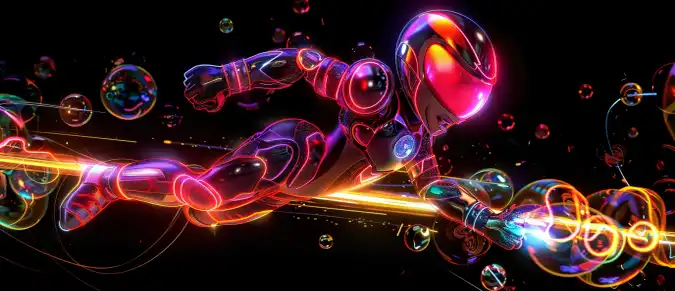

Bubble Rangers: Endless Runner is a mobile arcade game in the endless runner genre, developed by Imaginary Ones and adapted for the Web3 ecosystem. The project combines familiar, mass-market gameplay with blockchain elements, NFT characters, and tokenized progression. The game is designed for users who want a fast and intuitive gaming experience without needing deep knowledge of crypto technologies, while still retaining the option to interact with digital assets and the broader Web3 ecosystem.
Contents
- The Concept of Bubble Rangers and Its Role in the Imaginary Ones Ecosystem
- Gameplay and Endless Runner Mechanics
- NFT Characters, Progression, and Game Elements
- Economic Model and Web3 Integration
- Community, Project Development, and Future Outlook
- Conclusion
1. The Concept of Bubble Rangers and Its Role in the Imaginary Ones Ecosystem
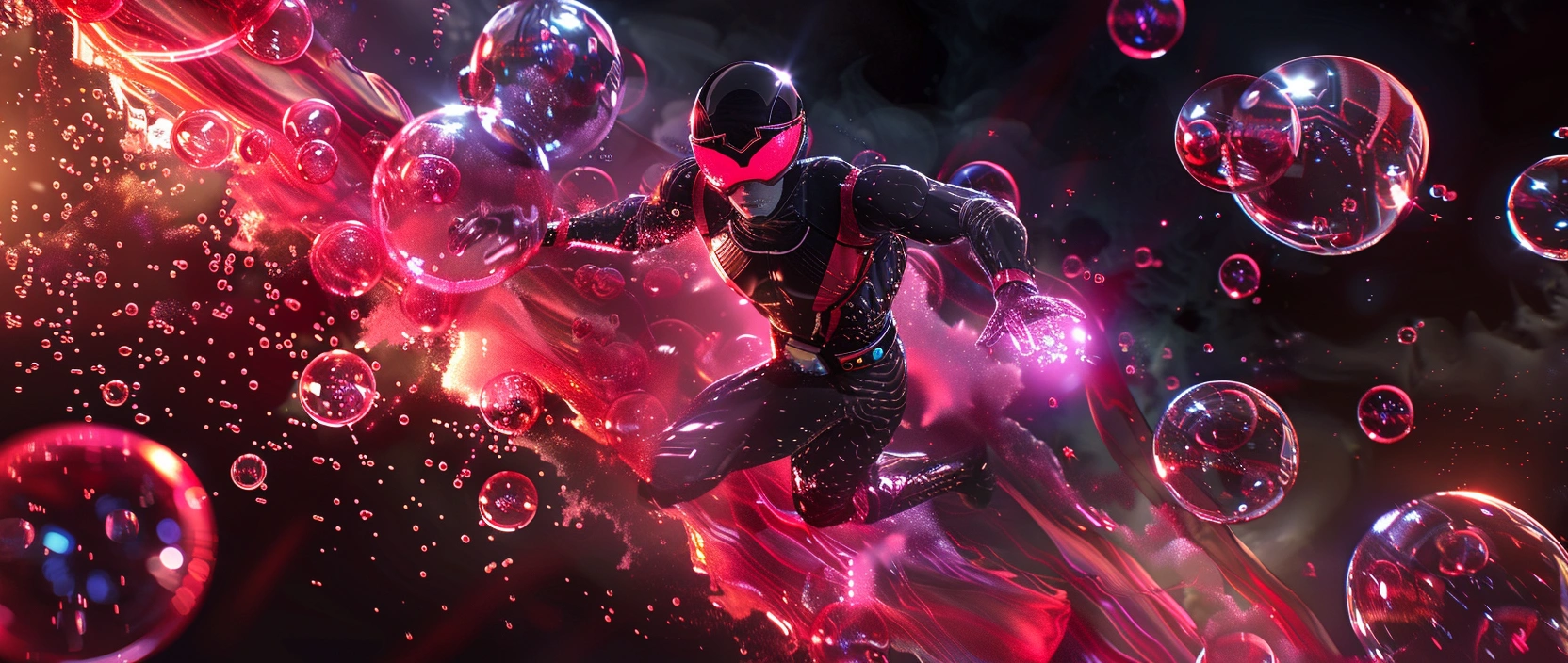
Bubble Rangers: Endless Runner is part of the Imaginary Ones ecosystem, a brand known for its distinctive visual identity, NFT collections, and focus on a mainstream audience. Unlike complex GameFi projects centered on financial mechanics, Bubble Rangers prioritizes accessibility and entertainment.
The game’s concept is built around gradual onboarding into Web3. Users can start playing without a crypto wallet or blockchain knowledge, experiencing the project as a standard mobile arcade game. As engagement grows, additional features related to NFT characters and digital assets become available.
In this way, Bubble Rangers serves as an entry point into Web3 gaming. Rather than competing with traditional mobile games, it complements them by extending the familiar experience with elements of digital ownership and long-term progression.
For Imaginary Ones, the game acts as a tool for IP expansion, transferring the brand’s visual style and characters into an interactive environment, strengthening audience engagement and increasing ecosystem recognition.
2. Gameplay and Endless Runner Mechanics
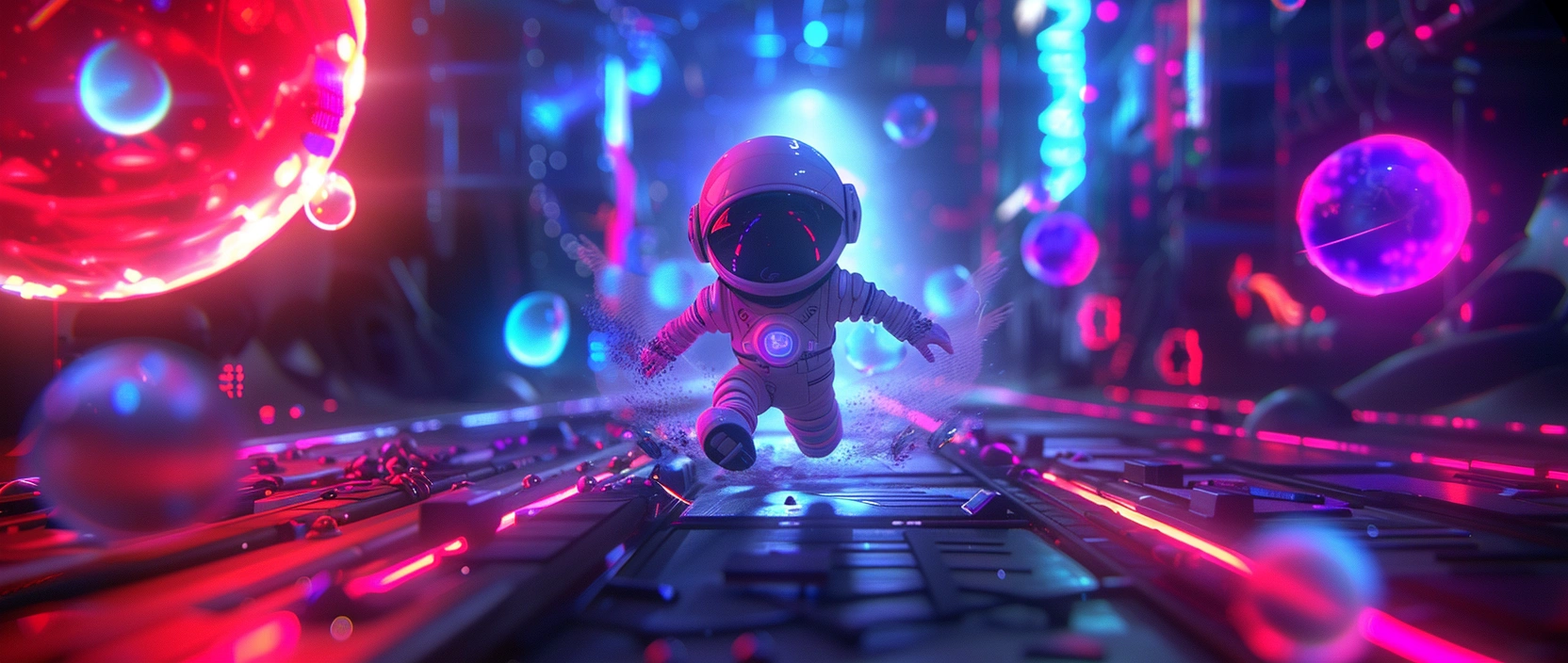
At its core, Bubble Rangers is built around classic endless runner mechanics familiar to a wide range of mobile players. The character moves forward automatically, while the player controls jumps, dodges obstacles, and collects bonuses. This format enables quick immersion and is well suited for short play sessions.
As players progress, difficulty increases gradually: speed rises, new obstacle types appear, and more complex track segments are introduced. This creates a constant sense of challenge and encourages players to improve both their skills and their characters.
Key Gameplay Elements:
- endless runs with progressively increasing difficulty;
- simple and intuitive controls;
- temporary boosts and in-run bonuses;
- meta-progression between runs;
- a strong focus on mobile and casual audiences.
The gameplay loop is designed so that even unsuccessful runs contribute to progression. Players earn points or resources that can be used to upgrade characters and unlock additional content. This approach reduces frustration and motivates repeated play sessions.
As a result, Bubble Rangers remains easy to pick up while still offering enough depth through upgrades and varied gameplay situations.
3. NFT Characters, Progression, and Game Elements
One of the core features of Bubble Rangers is the use of NFT characters known as Rangers. Each character has a unique visual design and a set of attributes that influence gameplay. These parameters may affect speed, collision resistance, or the efficiency of power-ups.
NFT characters exist as fully owned digital assets. Players can store them in wallets, transfer them, or trade them on marketplaces. At the same time, owning NFTs is not required to start playing, preserving accessibility for a broader audience.
Progression is built around gradual character enhancement. Players invest resources into upgrades, unlock new capabilities, and improve run efficiency. This creates a tangible sense of growth and makes each subsequent run more meaningful.
In addition to characters, the game includes supporting elements such as power-ups, modifiers, and cosmetic items. These features diversify gameplay and increase the value of both in-game and NFT assets.
4. Economic Model and Web3 Integration
The economic model of Bubble Rangers is focused on the utilitarian use of digital assets. Unlike aggressive play-to-earn systems, the primary emphasis here is on gameplay rather than profit extraction.
In-game resources are used for character upgrades, content unlocking, and overall progression. Tokenized elements are integrated carefully and do not disrupt the balance between players with NFTs and those without.
Core Elements of the Bubble Rangers Web3 Economy
| Element | Role in the Game |
|---|---|
| NFT Rangers | Unique characters with gameplay attributes and digital ownership. |
| In-Game Resources | Used for upgrades and progression. |
| Marketplaces | Enable trading and transferring NFTs. |
| Tokenized Rewards | Incentivize player activity and engagement. |
| Web3 Infrastructure | Ensures asset ownership and transaction transparency. |
This approach allows Bubble Rangers to maintain gameplay balance and appeal to a broad audience, while still offering Web3 advantages to players who wish to explore the ecosystem more deeply.
Additionally, this economic structure lowers the entry barrier for new players, enabling them to focus on gameplay without immediate blockchain interaction. Web3 mechanics are introduced gradually as engagement increases, forming a sustainable model where digital assets enhance the experience rather than define it.
5. Community, Project Development, and Future Outlook
The Imaginary Ones community plays a significant role in the development of Bubble Rangers. The project actively engages with its audience through social platforms, update announcements, and in-game events, building a stable and loyal user base.
Development follows a phased approach. New mechanics, characters, and features are introduced gradually, allowing the team to incorporate feedback and avoid disruptive changes. This strategy supports stability and long-term player retention.
In the future, Bubble Rangers may become part of a broader Imaginary Ones metaverse, where NFT characters and progression are shared across multiple products. This would increase the value of digital assets and strengthen connections within the ecosystem.
Its focus on the mobile market and casual players makes the game highly scalable and potentially attractive to millions of users, including those just beginning their Web3 journey.
6. Conclusion
Bubble Rangers: Endless Runner demonstrates an evolutionary approach to Web3 gaming, placing clear and intuitive gameplay at the forefront. The project successfully blends a mobile arcade experience with blockchain elements without overwhelming users with complex financial mechanics.
Thanks to its accessibility, recognizable visual style, and careful NFT integration, the game appeals to both mainstream players and Web3 users. Bubble Rangers shows that blockchain can be a natural extension of gameplay rather than a replacement, forming a sustainable model for future development.
In the long term, Bubble Rangers may serve as an important entry point for mass adoption of Web3 gaming. The project lays the groundwork for expanding the Imaginary Ones universe and further integrating gaming and digital assets, illustrating how blockchain technologies can evolve organically within familiar game formats.











