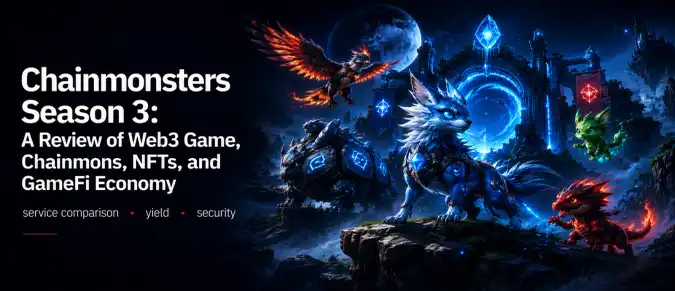

Chainmonsters — is an open-world monster-taming RPG where players explore Ancora, capture and develop creatures known as Chainmons, participate in battles, and interact with the in-game economy. The project began development in 2017–2018, went through Ethereum, Flow, and Immutable infrastructure, and was acquired by German Web3 company Spielworks in 2024. The seasonal model remains part of the game's concept: the documentation describes a Season Pass, limited rewards, and recurring content, while Seasons are included in the current roadmap. However, a separate public release called Chainmonsters Season 3 has not been confirmed in the official documentation at the time of writing, so Season 3 is more accurately considered in the context of the planned seasonal system and the project's ongoing relaunch.
Contents:
- Chainmonsters Season 3: Project Status and Game Development
- Chainmons, Battles, and Open-World Exploration
- Season Pass, NFTs, and the Chainmonsters Seasonal Economy
- Blockchain Infrastructure and the MONSTER Token
- Season 3 Outlook and Key Chainmonsters Risks
1. Chainmonsters Season 3: Project Status and Game Development
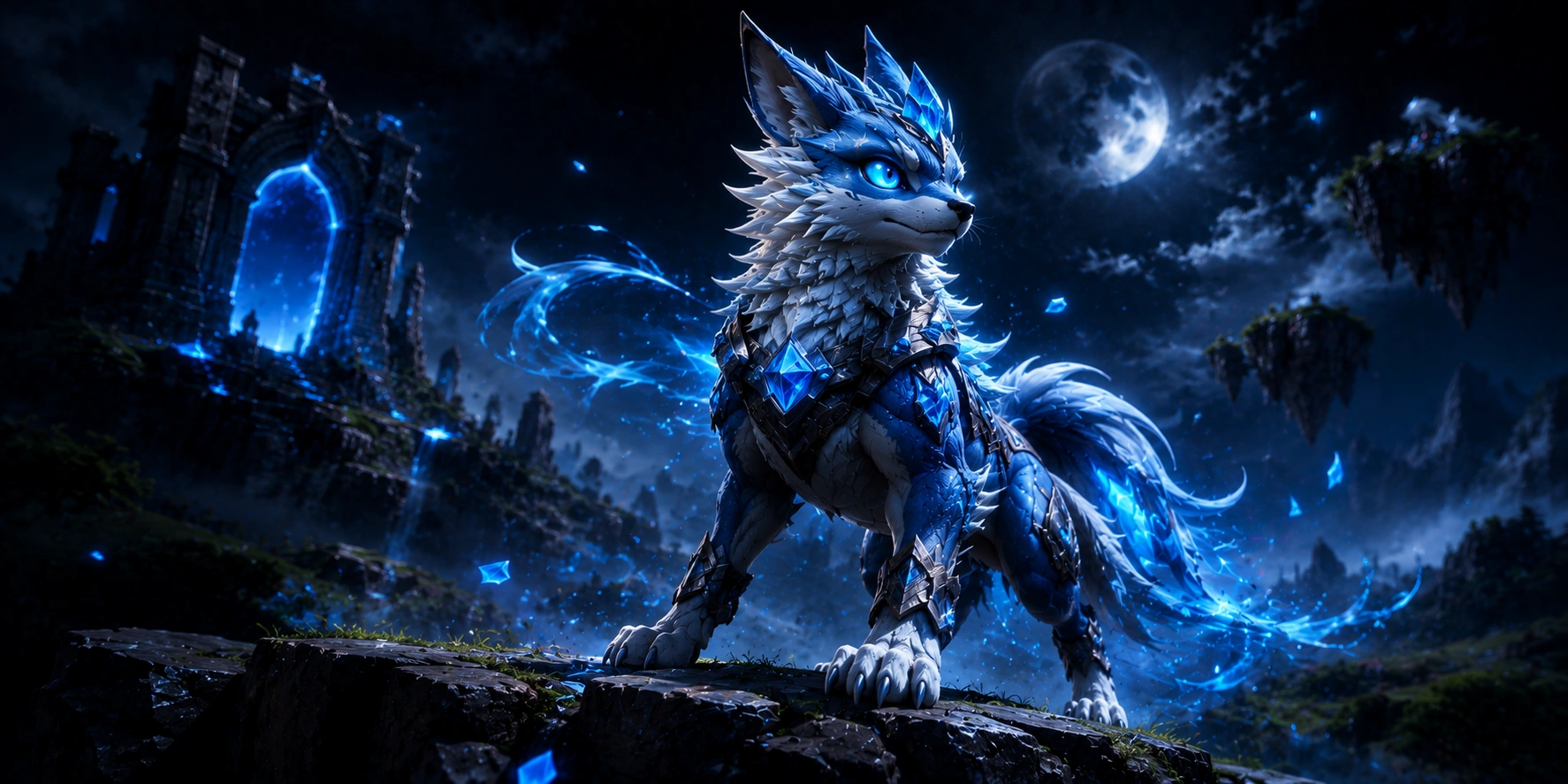
Chainmonsters was created by B-Side Games as a multiplayer RPG combining traditional monster-collecting mechanics with digital ownership of in-game assets. The first prototypes operated with Ethereum, the project moved to Flow in 2020, and the team began using Immutable infrastructure in 2022. Early Access launched in 2023 with an initial roster of 20 Chainmons.
In 2024, Chainmonsters was acquired by Spielworks, the company behind Wombat, AtomicHub, and other Web3 products. Following the acquisition, the project entered a redevelopment phase in preparation for a new public launch. The current documentation now identifies Spielworks as the developer and describes an updated economy, AI features, interoperability, and integration with the Wombat ecosystem.
The Season 3 name requires additional clarification. The current public roadmap includes Seasons, while the economic documentation provides details about seasonal rewards and the Season Pass. However, the available materials do not contain an official description of a standalone “Season 3” release with a confirmed launch date, specific Chainmons, or a defined list of changes.
For this reason, specific creatures, NFTs, or mechanics should not be attributed to Season 3 without confirmation from the developers. According to the published roadmap, upcoming development stages include Seasons, a public launch, arenas, gyms, dojos, crafting, Custom Land, real-time battles, expanded interoperability, and an increase in the total number of Chainmons to 161.
2. Chainmons, Battles, and Open-World Exploration
Chainmonsters is built around a familiar monster-taming RPG gameplay loop: exploring the world, discovering creatures, building a team, training, and battling. The game takes place in the world of Ancora, while its story is connected to the Replicator device, the N-Corp corporation, and the origins of Chainmon abilities. The game combines single-player quests with PvE and PvP activities.
Each Chainmon has a set of characteristics. Core stats include ATK, DEF, HP, Elemental Mastery, and Stamina. Individual Values, which are determined for each specific creature, and Training Values, which can be developed through battles, special items, and training mechanics, are also taken into account. This structure means that two Chainmons of the same species can potentially have different stats.
Abilities are divided into Primary, Secondary, and Ultimate categories. Attacks take elemental type, base damage, and Stamina cost into account. The elemental system creates strengths and weaknesses between different types, meaning that team composition and the order in which abilities are used can influence the outcome of a battle.
Morphing is a separate feature of the updated concept. Players are intended to be able to transform into captured Chainmons and use their abilities not only in combat but also while exploring the world. Different creatures can enable faster movement, swimming, flying, or more efficient resource gathering, connecting monster collection directly with exploration of Ancora.
3. Season Pass, NFTs, and the Chainmonsters Seasonal Economy
The seasonal model has been part of Chainmonsters since the project's earlier development stages. In the original Season Pass concept, players completed daily, weekly, and longer-term challenges to receive additional limited rewards. The limited duration of each season was designed to create a natural supply cap for certain items and cosmetic NFTs.
In the updated documentation, the Season Pass is also connected to progression and in-game items. For example, blueprints can be distributed through seasonal levels alongside quests, NPC interactions, world exploration, and the Premium Shop. They can be used for crafting, construction, learning abilities, and creating cosmetic elements.
- Chainmons — in-game creatures that can be captured, trained, upgraded, and, under certain conditions, transferred into an on-chain format.
- Land — plots used for farming, construction, crafting, and the development of training infrastructure.
- Blueprints — plans used to create items, buildings, abilities, and cosmetics.
- Cosmetics — customization elements for characters and creatures, some of which may have a limited supply.
- Season Pass — a seasonal progression system offering additional rewards for player activity.
At the same time, blockchain functionality is positioned as optional for the core gaming experience. According to the project's FAQ, users do not need an external crypto wallet to start playing. Connecting a wallet becomes relevant when a player wants to trade digital assets or access additional Web3 features.
4. Blockchain Infrastructure and the MONSTER Token
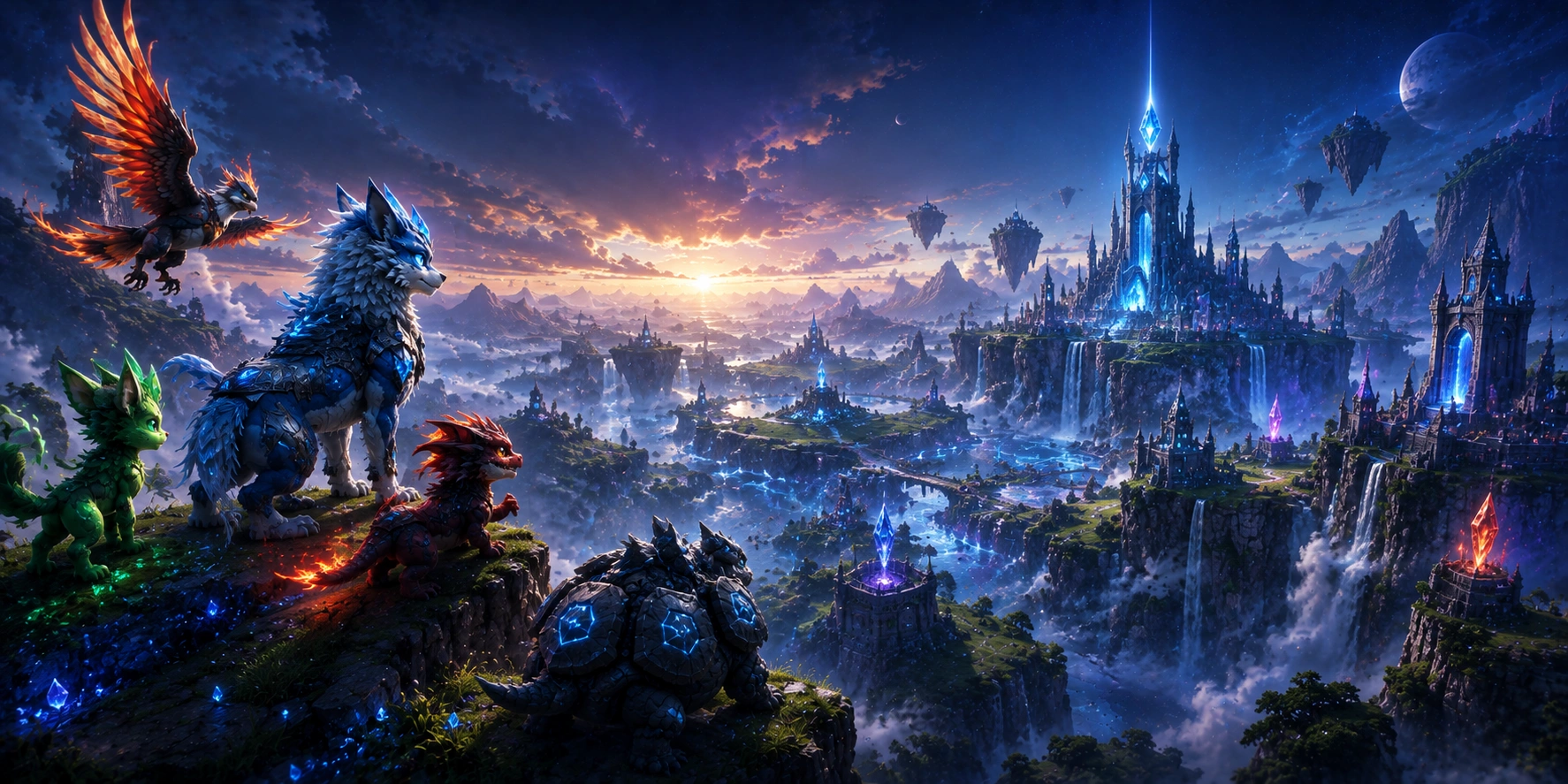
Chainmonsters' blockchain architecture has changed several times. The first public versions experimented with Ethereum before the project moved to Flow, where the developers aimed to hide the complexity of wallets and transaction fees from regular users. Immutable infrastructure was later adopted, while the current documentation identifies Immutable zkEVM for on-chain Chainmon trading through AtomicHub.
The game nevertheless remains a hybrid system. Unity and traditional servers handle fast-paced gameplay, while dedicated blockchain services synchronize NFT states with the game's databases. Epic Online Services are used for account onboarding and social features, while Easy Anti-Cheat complements the server-side security system.
| Component | Purpose | Web3 Connection |
|---|---|---|
| Chainmons | Battles, exploration, farming | Can exist as tradable NFTs |
| Land | Farming, crafting, construction | Digital in-game asset |
| MONSTER | Utility and governance | Multi-chain token |
| Shards | Premium Shop, boosts, and items | Connected to MONSTER utility |
| Gold | Basic in-game transactions | Free-to-play currency |
| AtomicHub | Marketplace | Trading of in-game assets |
MONSTER is described as the primary utility token of the future Chainmonsters economy. According to the whitepaper, it is planned to have a fixed supply of 1 billion tokens, initially issued on Ethereum with Layer 2 infrastructure used for lower-cost transactions. Planned functions include accessing in-game benefits through Shards, staking, governance, and participation in the project's economy. However, the official roadmap still lists the MONSTER launch among upcoming milestones, so the planned tokenomics should be distinguished from features that are already operational.
5. Season 3 Outlook and Key Chainmonsters Risks
Following the Spielworks acquisition, Chainmonsters is effectively entering a new stage of development. The roadmap includes playtests, a public launch, Seasons, Custom Land, crafting, arenas, gyms, dojos, real-time battles, an expanded Replicator system, character customization, and a further increase in the number of creatures. Tapmonsters, a Telegram spin-off connected to the broader Chainmonsters economy, is also being developed in parallel.
For the Web3 component, an important development is the shift away from the idea that “everything must be an NFT” toward a more hybrid model. Users can play without an external wallet, while blockchain is used for assets and transactions where verifiable ownership or trading is required. The marketplace is integrated through AtomicHub, while the Spielworks and Wombat infrastructure is intended to simplify interaction with Web3 features.
At the same time, the project carries risks typical of blockchain games with long development cycles. Its architecture has changed several times, some announced features remain under development, and the roadmap does not establish a strict sequence for every future milestone. The MONSTER economy also depends on the token's actual launch, player activity, and a sufficient number of in-game spending mechanisms. NFTs additionally face liquidity risks, potential changes in in-game utility, and dependence on supported blockchain infrastructure.
Chainmonsters Season 3 should therefore be viewed primarily as part of the project's planned seasonal model rather than as a confirmed standalone release with an already defined feature set. Chainmonsters itself remains an evolving monster-taming RPG in which Web3 complements traditional gameplay through ownership of Chainmons, Land, and other assets, a marketplace, and the future MONSTER economy. The actual significance of the next season will depend not on NFTs alone, but on the state of the public game, the quality of new mechanics, the number of active players, and how sustainably the blockchain economy is connected to gameplay.











