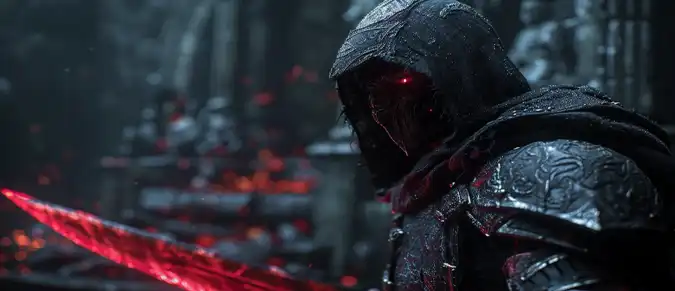

Chronicles of Lunaria is a Web3 game that combines MMORPG mechanics, blockchain-based economy, and metaverse elements within a large fantasy universe. The project offers players an expansive world where exploration, character progression, and social interaction are connected to NFT assets and in-game tokens. Unlike many early GameFi projects that focused mainly on play-to-earn systems, Chronicles of Lunaria aims to deliver a complete gaming experience with deep lore, PvP and PvE activities, and a long-term metaverse development model. The developers emphasize that Web3 technologies should enhance gameplay rather than replace it, turning digital assets into part of a unified ecosystem.
Contents
- The Concept and Structure of Lunaria
- Gameplay and Character Progression in Chronicles of Lunaria
- Core Web3 Mechanics
- Tokens and In-Game Economy
- Future Prospects of Chronicles of Lunaria
1. The Concept and Structure of Lunaria
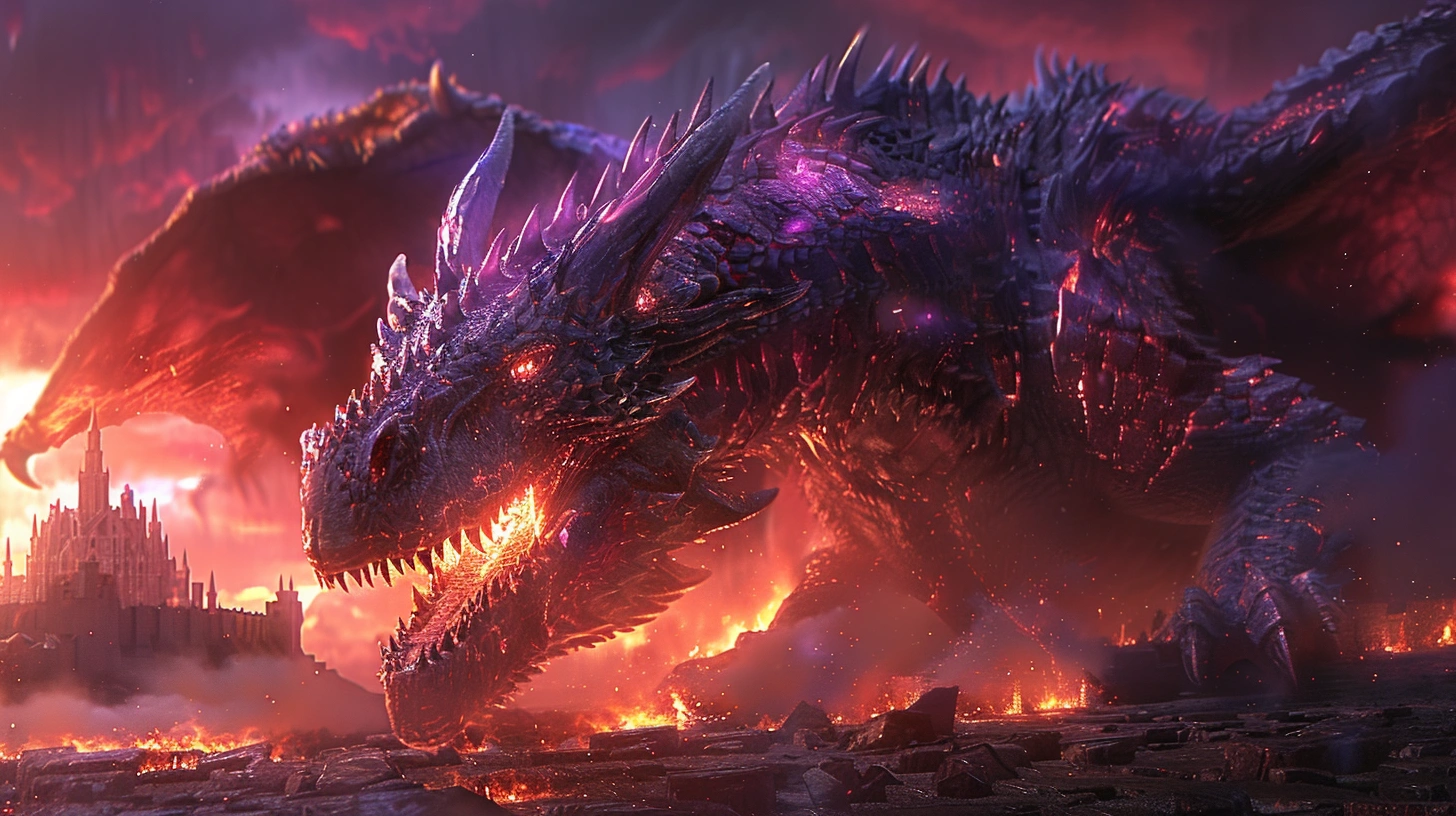
Chronicles of Lunaria is designed as a large-scale fantasy metaverse where players become part of a constantly evolving digital world. The story takes place in Lunaria, a continent divided between different factions, ancient civilizations, and regions with unique histories. The world is filled with magic, political conflicts, and hidden dangers, while the storyline gradually unfolds through quests, exploration, and interaction with other characters.
The project’s main feature is its attempt to combine traditional MMORPG systems with Web3 infrastructure. The developers aim to create an ecosystem where NFTs, tokens, and in-game resources are directly connected to gameplay. As a result, digital assets become part of player progression rather than existing as a separate financial layer.
Atmosphere plays an important role in the game world. Different regions feature unique architecture, biomes, and gameplay conditions, making exploration more varied and immersive. Players can travel between locations, discover hidden zones, participate in global events, and unlock new parts of the lore.
The developers also promote the idea of long-term metaverse expansion. Future updates are expected to introduce new territories, mechanics, and storylines. This strategy positions Chronicles of Lunaria not as a short-term GameFi project, but as a continuously growing online universe.
2. Gameplay and Character Progression in Chronicles of Lunaria
The gameplay of Chronicles of Lunaria focuses on exploration, character progression, and multiplayer activities. Players can complete story quests, gather resources, participate in PvE battles, and interact with others across the metaverse. An important part of progression involves upgrading equipment, improving skills, and obtaining rare items.
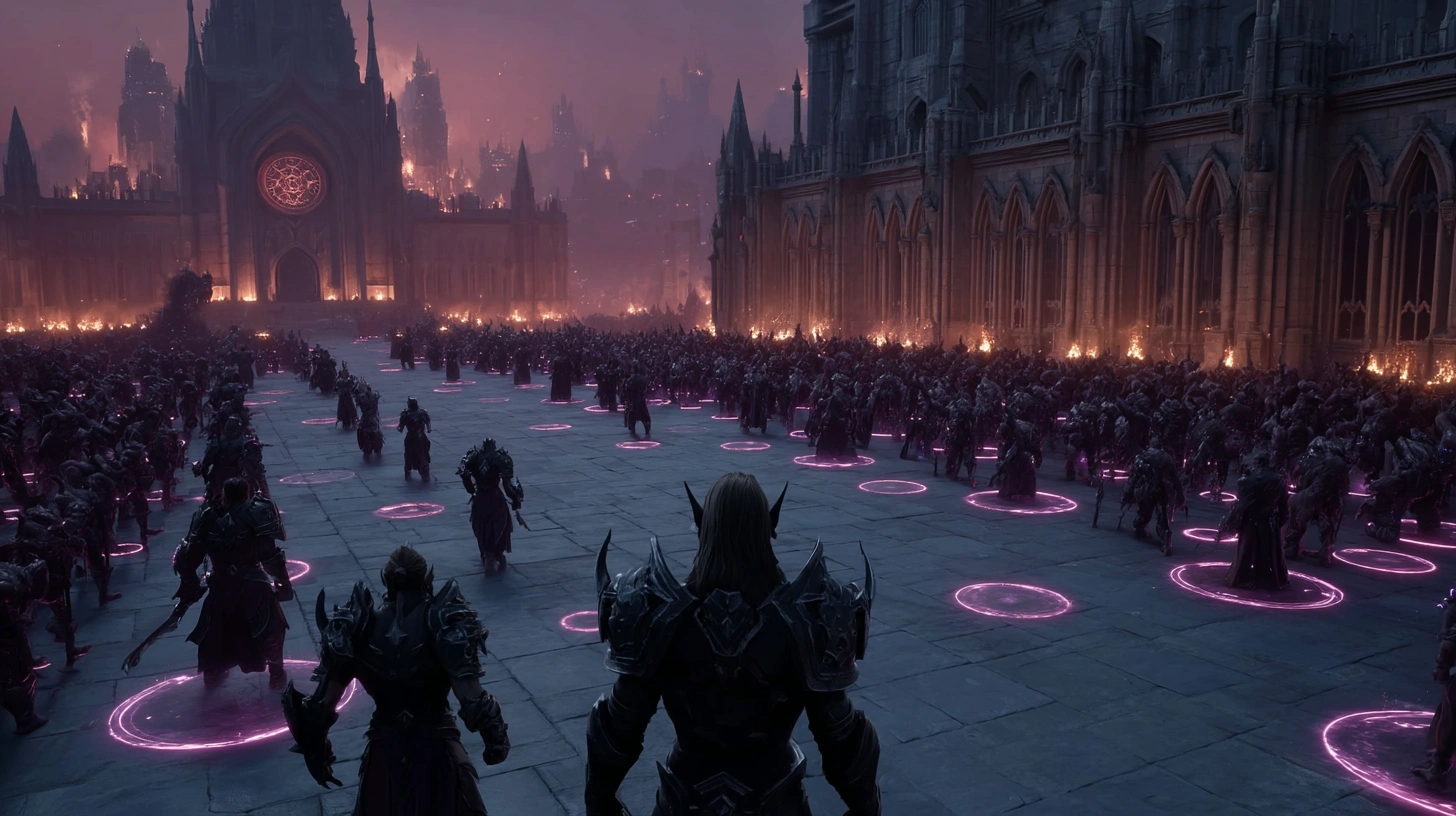
The project combines classic MMORPG elements with strategic mechanics. Players are expected not only to strengthen their characters but also to participate in the life of the game world by controlling territories, joining guilds, and taking part in large-scale events. This creates a deeper social structure within the metaverse.
Cooperative activities also play a significant role. The game includes group dungeons, PvP battles, faction conflicts, and team-based missions. These systems make player interaction an important part of the overall experience and help strengthen the community.
The developers additionally focus on visual immersion. Chronicles of Lunaria uses traditional fantasy aesthetics, magical environments, and large-scale landscapes. This helps the project stand out among many Web3 games where tokenomics often receive more attention than atmosphere and world-building.
3. Core Web3 Mechanics
The Web3 infrastructure of Chronicles of Lunaria is built around digital ownership and interaction with the metaverse economy. The developers aim to integrate blockchain technology in a way that complements gameplay instead of disrupting the traditional MMORPG experience.
The core idea behind the project is to create a system where NFTs and tokens are connected to player progression, world exploration, and social mechanics. This allows digital assets to become part of the overall ecosystem rather than functioning solely as earning tools.
Key features of the Chronicles of Lunaria Web3 model:
- NFT Items — weapons, equipment, rare artifacts, and certain creatures can exist as NFTs.
- In-Game Economy — players interact through trading, resource exchange, and token usage.
- Social Mechanics — guilds, cooperative quests, and PvP events are integrated into the metaverse structure.
- Digital Ownership — players can control certain game assets outside the game itself.
- Metaverse Expansion — the project plans to expand the world with new gameplay directions and systems.
The development team emphasizes that blockchain should remain a supporting tool rather than the main purpose of the game. This philosophy is increasingly considered more sustainable for Web3 gaming, as audiences now expect complete gaming experiences instead of repetitive play-to-earn mechanics.
4. Tokens and In-Game Economy
The economic model of Chronicles of Lunaria is built around tokens, NFT assets, and in-game resources. The developers aim to create a sustainable economy where digital assets are used not only for trading but also for character progression, metaverse development, and participation in gameplay activities.
An important aspect of the system is the direct connection between the economy and gameplay. Tokens are used for equipment upgrades, crafting, player interaction, and access to specific mechanics. This allows the in-game economy to become part of the overall progression system.
| Token | Purpose | Role in the Ecosystem | Features |
|---|---|---|---|
| LUNA | Main in-game token | Used for rewards, trading, and gameplay operations | Connected to the metaverse economy and player progression |
| xLUNA | Additional ecosystem token | Used for special gameplay functions and governance mechanics | Part of the expanded interaction system |
In addition to tokens, NFT items with different rarity levels also play a major role. Some digital assets can be traded between players, creating an additional layer of interaction inside the metaverse.
The developers emphasize that the project’s economy should remain stable even during changes in the cryptocurrency market. For this reason, the team focuses not only on digital assets but also on continuous gameplay and content expansion.
5. Future Prospects of Chronicles of Lunaria
Chronicles of Lunaria reflects the growing shift within the Web3 industry from simple play-to-earn systems toward full-scale MMORPGs with expansive metaverse elements. The project combines blockchain economy, social interaction, and classic fantasy gameplay, making it closer to traditional online RPGs.
The future of the project depends on whether the developers can maintain a balance between quality content and Web3 mechanics. Long-term success requires more than NFTs and tokens — players also expect new regions, live events, regular updates, and continuous world development.
Building a large-scale MMORPG requires significant resources and constant economic balancing. Because of this, projects like Chronicles of Lunaria often take longer to develop compared to smaller GameFi titles.
The game also represents an important trend in modern Web3 gaming, where blockchain becomes part of a complete gaming ecosystem rather than the main purpose of the project. If the developers succeed in maintaining an active community and delivering consistent content updates, Chronicles of Lunaria could secure a strong position among next-generation Web3 MMORPGs.
An additional factor for success will be the project’s ability to expand the metaverse regularly and maintain player interest through new systems and content. For Web3 MMORPGs, community interaction is especially important because player-driven activity helps make the virtual world feel more dynamic and sustainable over time.











