

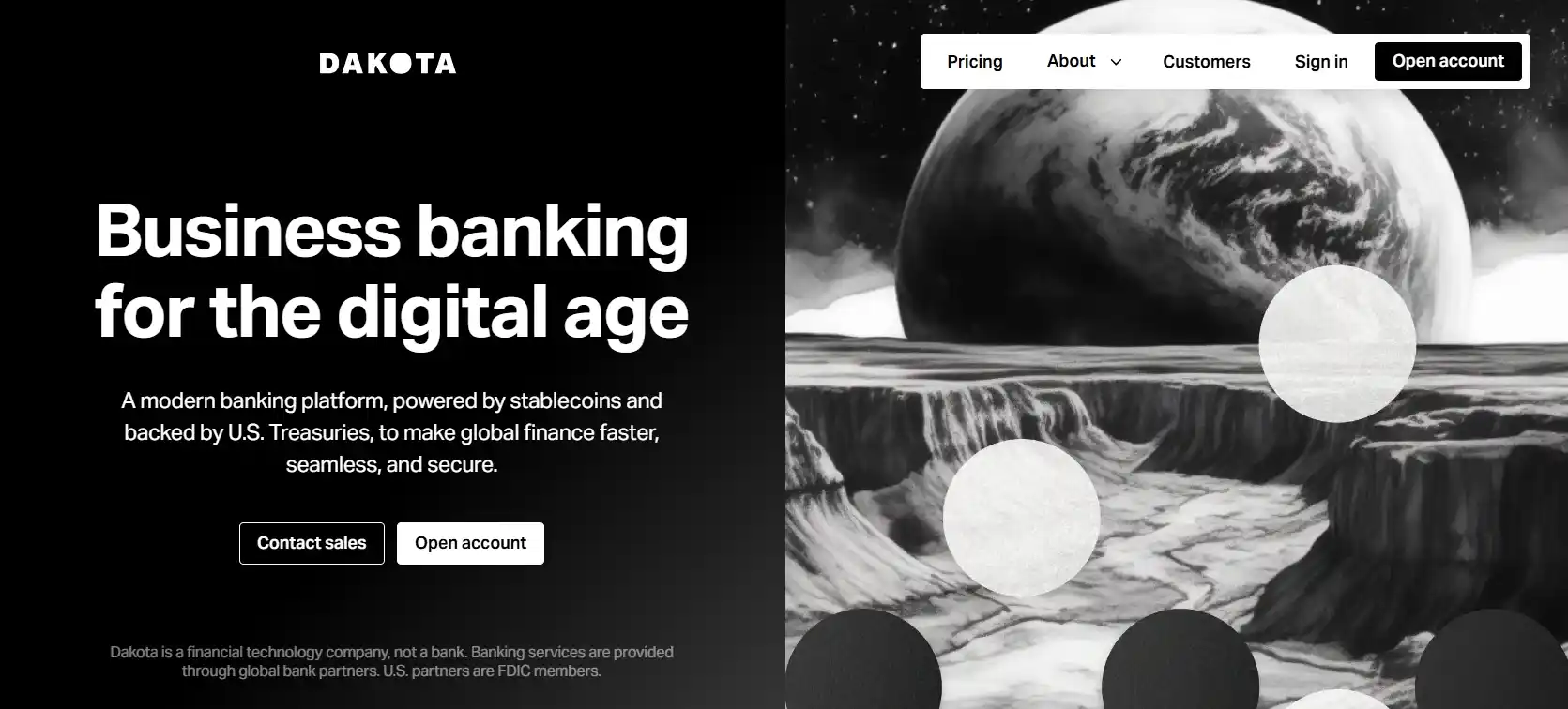
The Dakota Project represents an innovative solution for digital asset management, combining cutting-edge blockchain technologies and decentralized finance. The platform offers users convenient tools for interacting with cryptocurrencies, tokenized assets, and smart contracts. Dakota focuses on creating an ecosystem where participants can safely exchange values, invest, and develop their own projects in the Web3 environment.
Contents
- What is Dakota? Core Goals and Mission
- Technological Foundation of the Platform
- Functionality and User Capabilities
- Security and Decentralization of Dakota
- Project Prospects and Development
- Conclusion
What is Dakota? Core Goals and Mission
The Dakota Project positions itself as a universal platform for working with digital assets, including cryptocurrencies, tokens, and NFTs. The main goal is to simplify user interaction with blockchain technologies, making them accessible to both beginners and professionals.
Dakota's mission is to create a decentralized ecosystem where every participant can freely manage their assets without intermediaries. The platform aims to combine the best aspects of DeFi, Web3, and traditional finance, offering flexible solutions for various use cases.
One of the key features is its focus on scalability. Unlike many alternatives, Dakota is designed with high throughput in mind, enabling thousands of transactions per second without losing decentralization.
Technological Foundation of the Platform
Dakota is built on a modular architecture that combines multiple blockchain solutions to achieve optimal performance. The foundation consists of smart contracts operating on Ethereum Virtual Machine (EVM), ensuring compatibility with most DeFi applications.
To increase transaction speed, a hybrid consensus mechanism is used, including Proof-of-Stake (PoS) and sharding. This reduces fees and speeds up transaction processing. Additionally, the platform supports cross-chain interaction, giving users access to assets from different networks.
An important element is the proprietary identification system that ensures security without compromising anonymity. Dakota also integrates oracles for working with external data, expanding opportunities for developers.
Functionality and User Capabilities
Dakota offers a comprehensive solution for digital asset management, combining ease of use with powerful tools for trading, investing, and management. The platform is designed to meet the needs of both beginner users and experienced crypto market participants.
Key features include:
- Multi-chain Wallet - a unified interface for storing and managing assets from different blockchain networks.
- Decentralized Exchange (DEX) - instant token swaps with minimal fees and high liquidity.
- Staking and Farming - opportunity to earn passive income by participating in network security.
- NFT Marketplace - platform for creating, buying, and selling unique digital collectibles.
- DAO Tools - mechanisms for decentralized community governance and decision-making.
For developers, there's a convenient SDK that allows creating custom decentralized applications (dApps) with deep integration into the Dakota ecosystem. This approach makes the platform a universal solution for a wide range of blockchain technology tasks.
Security and Decentralization of Dakota
One of Dakota's key advantages is its multi-layered protection system that ensures operational security without compromising performance. The platform combines advanced cryptographic methods with true decentralization principles, making it resilient to attacks and technical failures.
Core security mechanisms include:
| Technology | Operation Principle | Advantages |
|---|---|---|
| Multi-signature | Requires confirmation from multiple keys to execute a transaction | Protection against unauthorized access |
| Smart contract Audits | Regular code reviews by independent experts | Prevention of vulnerabilities and errors |
| Decentralized Storage | Data distributed across network nodes without a central server | No single point of failure |
| Data Encryption | Use of AES-256 and ECC algorithms for information protection | User confidentiality |
For additional protection, the platform uses machine learning algorithms that detect suspicious activity in real time. This comprehensive approach allows Dakota to maintain high security standards comparable to institutional levels while preserving all the benefits of a decentralized ecosystem.
Project Prospects and Development
Dakota continues to actively develop its ecosystem, focusing on the needs of the modern crypto market. The team's immediate plans include significant expansion of functionality and user base.
Key growth directions:
- Integration with popular blockchain networks
- Simplified interface for new users
- Implementation of new passive income mechanisms
The project's development strategy emphasizes technology accessibility and practical application. Dakota aims to become a universal solution for all user categories - from beginners to professional traders and institutional investors.
Conclusion
The Dakota Project represents a promising platform that combines advanced blockchain technologies and decentralized finance. It provides users with convenient tools for asset management, trading, and passive income generation. Thanks to its modular architecture and high security, the ecosystem offers solutions for both individuals and corporate clients.
With the development of Web3 and growing interest in digital assets, Dakota has every chance to secure a significant market position. Its user-friendly interface, low fees, and support for multiple blockchains make it attractive to a broad audience. It remains to follow the platform's future updates and feature expansions.











