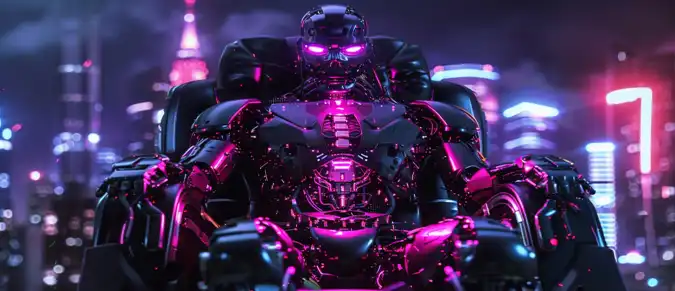

Drunk Robots is a multiplayer Web3 game that combines PvP combat, social competition, and an NFT-based economy set in a ruined futuristic metropolis. The project merges dynamic battles, territory control, and a system of digital asset ownership. Players control robots, form gangs, engage in street clashes, and develop their characters over time. The economic model is built around tokens and NFT items, directly connecting gameplay with blockchain infrastructure. As a result, Drunk Robots occupies a position within the GameFi sector, where entertainment intersects with decentralized economic mechanics.
Contents
- The World of Drunk Robots and Core Concept
- Gameplay and Interaction Mechanics
- Drunk Robots Tokens and In-Game Economy
- NFT Assets and Digital Ownership
- Project Development and Strategic Outlook
1. The World of Drunk Robots and Core Concept
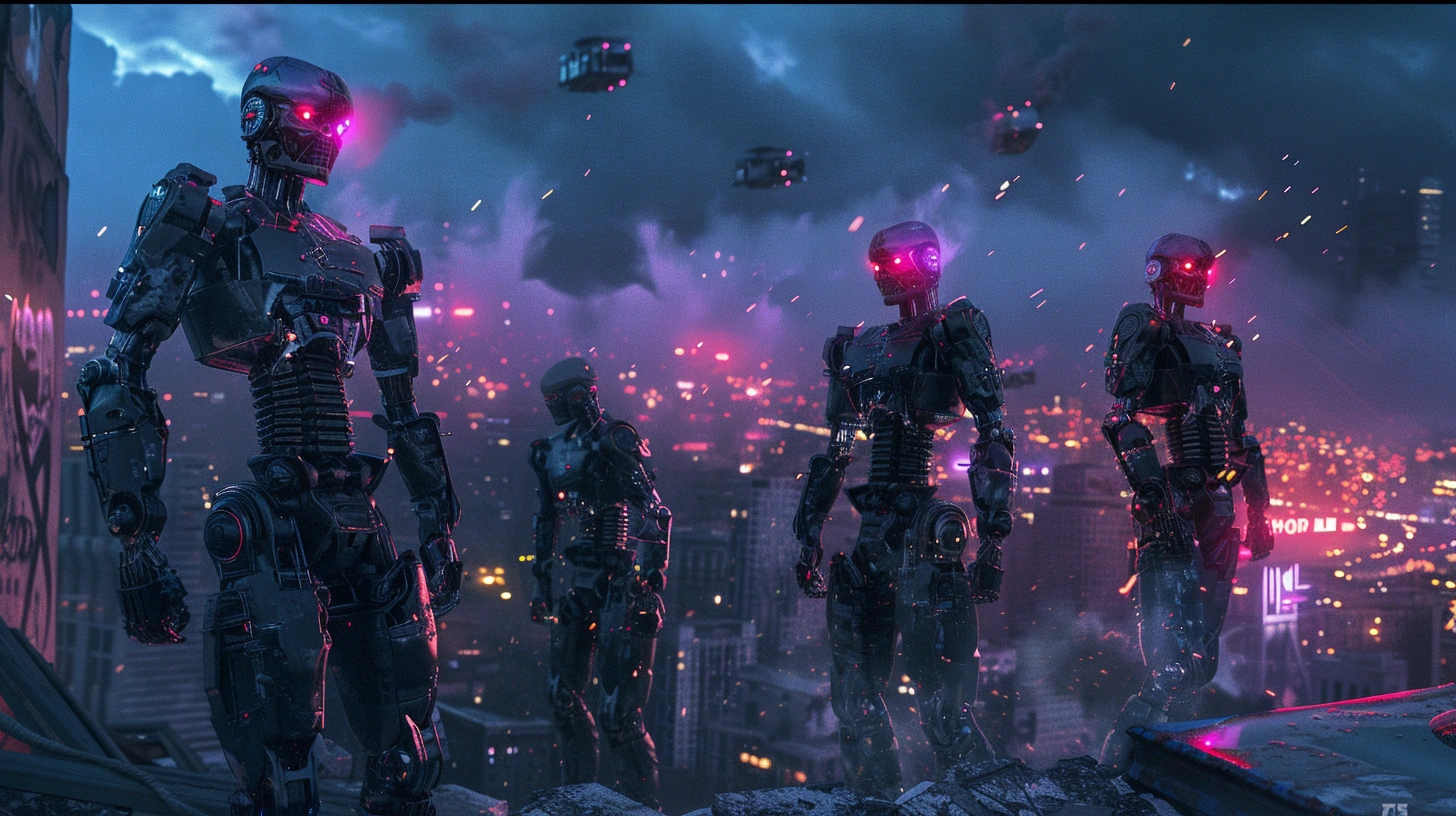
The game is set in a post-apocalyptic city where autonomous robots have formed aggressive street gangs. The urban landscape is divided into districts, each of which can be controlled by different factions. A cyberpunk atmosphere blended with satire and industrial chaos creates a distinctive visual identity.
Players join one of the factions and aim to strengthen their gang’s influence. Controlling territory provides access to resources and strategic advantages, fueling competition. The in-game world is built around constant confrontation, forming a dynamic environment.
Drunk Robots combines elements of shooter gameplay, strategy, and social coordination. The project focuses not only on individual battles but also on collective actions. This approach enhances user engagement and supports community growth. Developers also emphasize strong character visual identity, increasing recognizability. The game world gradually expands through updates and new zones, sustaining long-term interest and development potential.
2. Gameplay and Interaction Mechanics
The gameplay revolves around PvP battles, mission completion, and character progression. Robots have attributes that can be upgraded using in-game resources. Fights take place for control of districts, influencing reward distribution.
The gang system plays a central role. Players collaborate to coordinate actions and plan strategic moves. Joint operations increase the chances of holding territory and earning bonuses.
Main Gameplay Elements:
- PvP battles between players and gangs;
- Capturing and defending city districts;
- Upgrading character stats and modifying equipment;
- Completing missions and daily objectives;
- Using NFT robots and items in combat.
This structure blends action with strategy. Participants must consider both personal skill and team coordination. The system creates balance between individual performance and collective gameplay. In-game events further intensify competition. Regular tournaments maintain engagement and stimulate activity. The progression mechanics are designed to reward both active players and strategically thinking teams.
3. Drunk Robots Tokens and In-Game Economy
The economic model of Drunk Robots is based on a dual-token system. One token serves governance purposes, while the other functions as in-game currency. This separation helps maintain balance between the investment component and gameplay operations.
Tokens are used for character upgrades, item purchases, and participation in governance decisions. This structure links player activity with the broader economic dynamics of the ecosystem.
| Token | Type | Primary Function |
|---|---|---|
| METAL | In-game | Item purchases, upgrades, participation in activities |
| JUNK | Governance | Voting, strategic decisions, participation in project development |
Economic stability depends on balancing emission and demand. Player activity directly affects token circulation. With sustained community interest, the model can support long-term growth. Additional burn and redistribution mechanisms help regulate supply. Developers aim to maintain equilibrium between rewards and inflation. This balance is essential for preserving participant trust and long-term sustainability.
4. NFT Assets and Digital Ownership
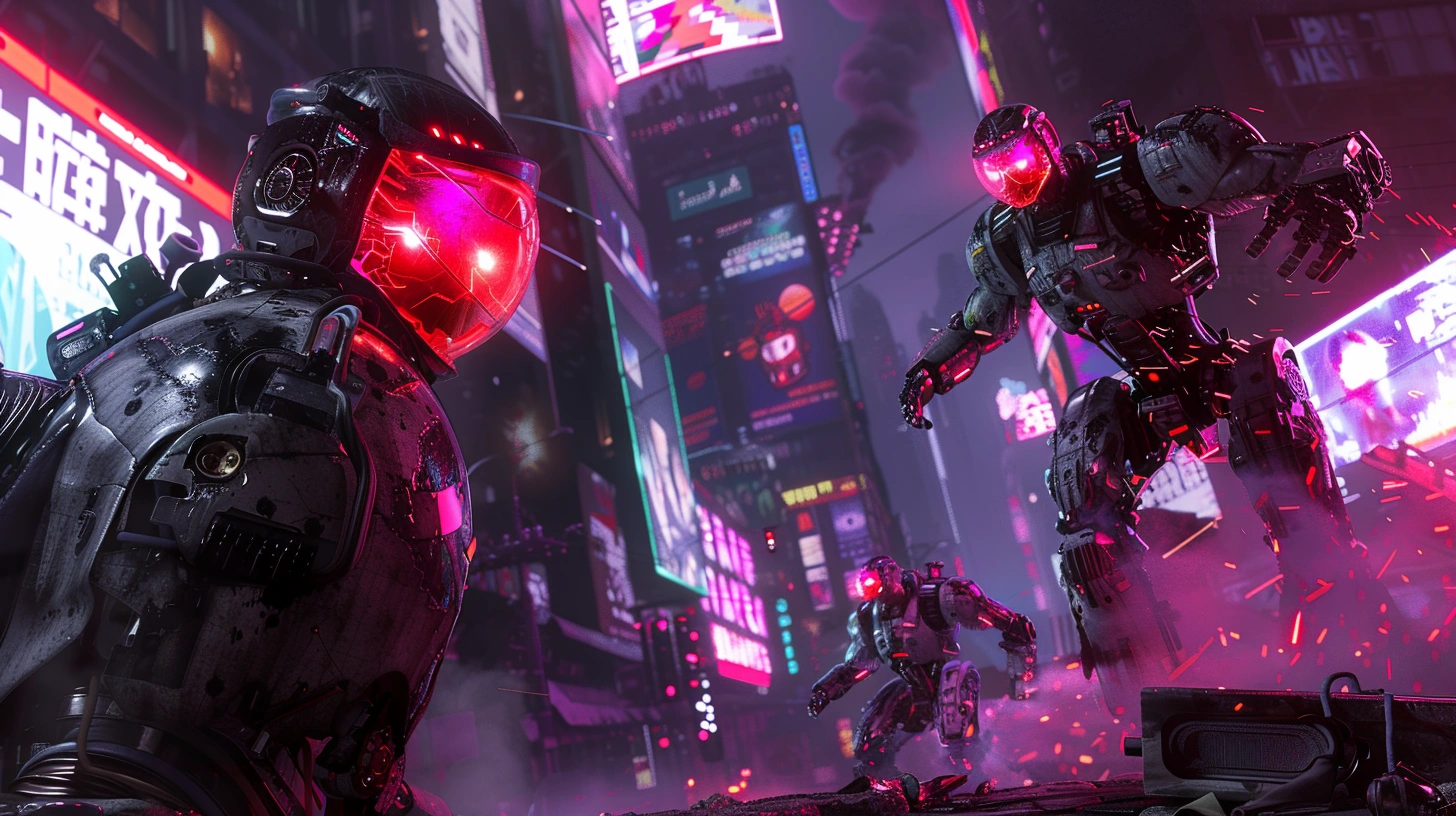
In Drunk Robots, characters and items are represented as NFTs, providing players with true digital ownership. Each robot has unique attributes that influence combat effectiveness. Rarity and characteristics may determine strategic value.
NFT items include equipment and enhancements that strengthen characters. Ownership allows participants to manage assets within the ecosystem. This creates economic incentives and increases engagement.
Digital ownership distinguishes Web3 games from traditional projects. Players gain control over assets rather than simple access to functionality. This approach strengthens long-term commitment. Unique NFT attributes create diverse strategic options. The ability to trade assets forms a secondary market, adding another layer of economic interaction within the ecosystem.
5. Project Development and Strategic Outlook
Drunk Robots operates within the competitive GameFi sector, where gameplay quality and economic stability are critical. The project emphasizes strong visual style and social interaction between players.
Future prospects are linked to expanding game modes, introducing new NFT assets, and refining tokenomics. An active community can sustain momentum and support healthy ecosystem circulation.
Strategically, Drunk Robots demonstrates a model of integrating blockchain technology into gameplay. The combination of PvP mechanics, NFTs, and tokenized economics forms a foundation for growth. Long-term success will depend on maintaining audience engagement and balancing entertainment with economic design. Adaptation to evolving Web3 market conditions is also important. Flexible updates and partnership development may strengthen the game’s position. Together, these factors will shape its place within the GameFi industry.











