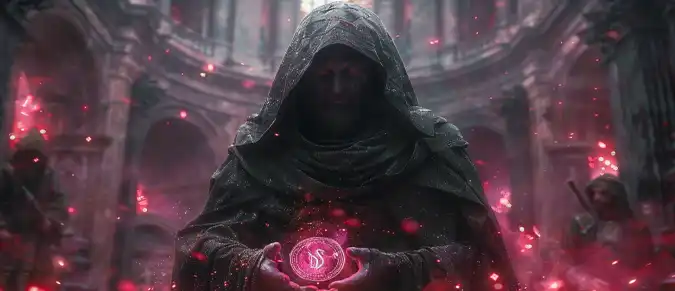

Synergy of Serra is a blockchain-based trading card game (TCG) that combines tactical PvP gameplay with digital ownership and a Web3-powered economy. In the project, cards, characters, and in-game elements exist as assets that players can truly own and manage through NFT technology. This approach creates a transparent ownership model inspired by both competitive play and collectible culture.
The game is designed for players who value deep strategic thinking, synergy-building, and careful resource management. At the same time, the Web3 layer does not dominate the gameplay but is seamlessly integrated into it. The developers aim to merge classic card mechanics with an innovative digital ownership framework. Below, we explore the core aspects of the project: its concept, mechanics, economy, tokenomics, and long-term outlook.
Contents
- World Concept and Gameplay of Synergy of Serra
- Mechanics, Synergy, and Tactical Elements
- NFT Model, In-Game Economy, and Collecting
- Synergy of Serra Tokenomics and Asset Structure
- Project Outlook, Risks, and Sustainable Development

1. World Concept and Gameplay of Synergy of Serra
Synergy of Serra unfolds in an original fantasy universe where magic and advanced forces coexist, shaping a distinctive игровая environment. Each card represents a part of this universe — a hero, creature, or spell capable of influencing the outcome of battle. Strategic thinking is central, as players must evaluate card attributes, interactions, and potential combinations.
The gameplay is built around turn-based battles between opponents, where victory depends on planning moves, selecting the right cards, and anticipating the rival’s strategy. A key mechanic is synergy — the interaction of cards that amplify each other’s effects. This makes the experience deeper than many traditional card games and encourages experimentation with diverse tactics.
The narrative layer enhances immersion by providing context for faction conflicts and world-building. Developers pay close attention to atmosphere and visual identity, helping establish a recognizable brand. The economic dimension is closely connected to gameplay: cards function not only as strategic tools but also as valuable digital assets.
2. Mechanics, Synergy, and Tactical Elements
Synergy of Serra features multiple mechanics centered on strategic interaction. Players build decks where each card has unique attributes and abilities. Complex combinations influence the flow of battle and determine tactical advantages.
At the core lies tactical depth. Participants must manage resources, plan turns carefully, and choose optimal combinations at every stage of a match. Seasonal rankings add a competitive dimension, allowing players to compete for high placements and rewards.
- Deck building — selecting balanced cards for different tactical approaches.
- Effect synergy — combinations that enhance card abilities.
- PvP battles — strategic matches against real opponents.
- League and ranking system — seasonal progression and rewards.
- Tactical decision-making — choosing moves based on situational analysis.
The mechanical complexity demands analytical thinking and adaptability. Different playstyles allow experimentation with combinations and counter-strategies. This structure supports competitive growth and long-term engagement.
3. NFT Model, In-Game Economy, and Collecting
The foundation of the in-game economy lies in NFTs — digital assets representing cards and unique elements. Players gain true ownership of these items, enabling trading or selling them beyond the core game environment. This introduces an additional layer of interaction and value creation.
Rarity and collectible appeal are central economic drivers. Limited releases and exclusive sets increase desirability among participants. At the same time, developers aim to maintain competitive balance so that rare cards do not undermine fairness.
Rewards for match participation and tournament performance further support asset circulation within the ecosystem. Over time, secondary market development may expand opportunities for players and strengthen the role of digital ownership.
4. Synergy of Serra Tokenomics and Asset Structure
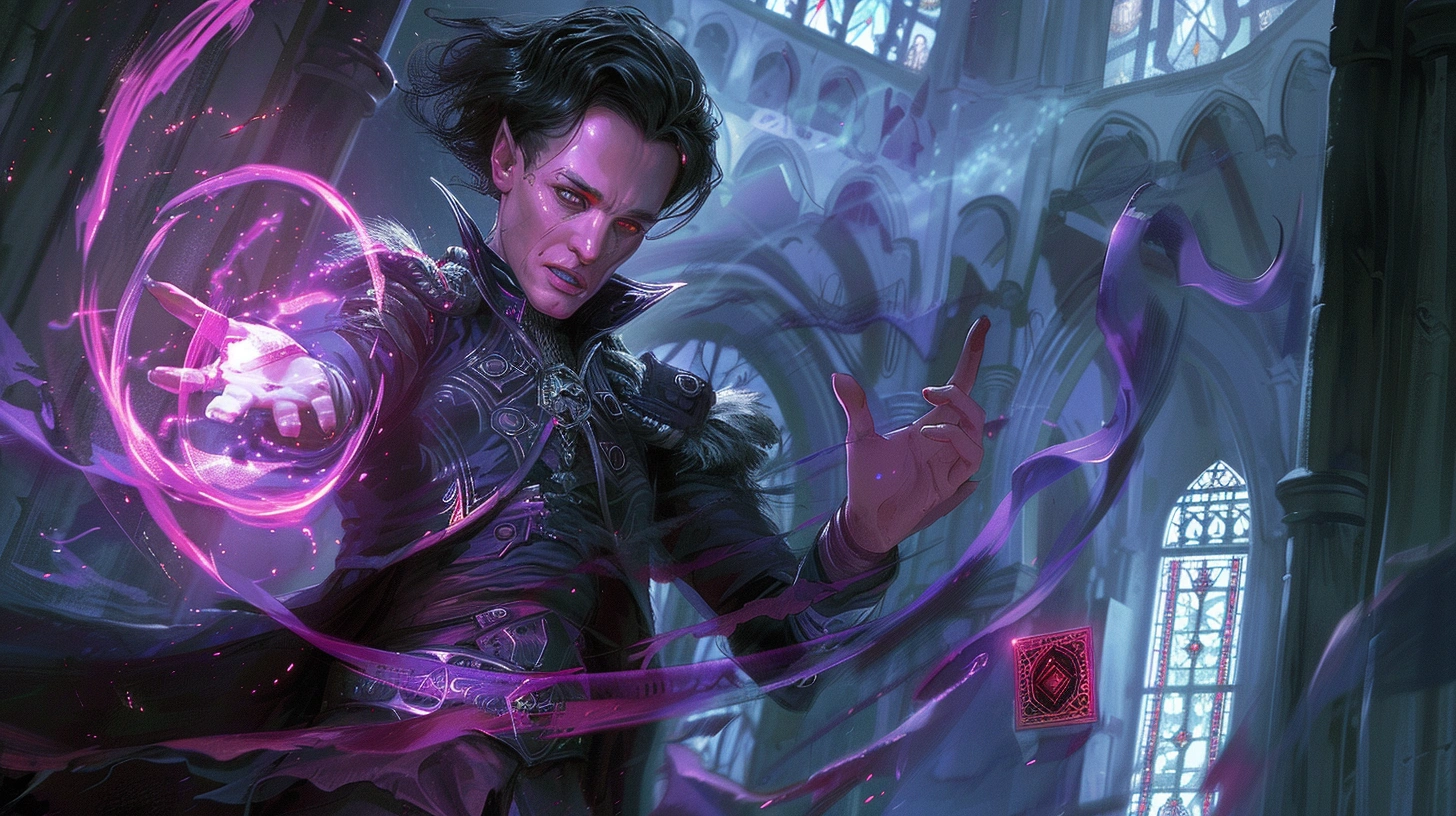
Synergy of Serra applies a tokenized framework that separates governance and gameplay functions. This structure balances the economy by assigning strategic and operational roles to distinct assets. Role separation reduces pressure on a single token and enables flexible emission management. Inflation control and transparent distribution are key pillars of sustainability.
| Token | Purpose | Functions |
|---|---|---|
| $SERRA | Main ecosystem token | Governance voting, staking, strategic participation |
| $ENERGY | In-game resource | Match usage, pack purchases, upgrades |
The governance token is tied to platform development and decision-making processes. The in-game asset supports daily player activity. This structure enhances long-term stability and strengthens community trust. The model includes incentives for long-term holding, such as staking and governance participation.
This encourages engagement from both players and investors. A balance between the circulation of the gameplay resource and the controlled emission of the strategic token reduces the risk of sharp price volatility. With careful economic calibration, the ecosystem can remain resilient even in fluctuating market conditions.
5. Project Outlook, Risks, and Sustainable Development
The Web3 gaming market evolves rapidly and remains sensitive to external factors, including cryptocurrency volatility and shifting user trends. In this environment, Synergy of Serra faces the challenge of retaining players while maintaining economic balance. Effective token management and controlled emission are critical, as inflation risks and declining NFT interest may affect long-term value.
However, the project’s strategic depth and well-designed synergy system provide competitive advantages. Unlike simplified GameFi models, Synergy of Serra prioritizes tactical gameplay while using the economic layer as a complementary feature. Regular updates, new card sets, and competitive formats can sustain community interest and expand the player base.
Long-term success will depend on the team’s ability to adapt to market shifts, maintain transparency in tokenomics, and preserve equilibrium between digital economy and gameplay quality. Overall, Synergy of Serra represents an effort to merge trading card strategy with blockchain infrastructure into a unified ecosystem of digital ownership. With consistent development and responsible management, the project could secure a strong position among next-generation Web3 strategy games.











