
Elemental Raiders is a tactical PvP game that combines turn-based combat, hero collection, and Web3 elements. Unlike many blockchain projects, the main focus here is on strategy and balance rather than earning. The developers aim to preserve the traditional gaming experience while adding digital ownership as an additional layer. This approach makes the project a strong example of GameFi evolution, where technology enhances gameplay instead of replacing it.
Contents
- Overview and Concept of Elemental Raiders
- Gameplay and Core Mechanics
- Web3 and NFTs in Elemental Raiders
- Tokens and Project Economy
- Risks, Outlook, and Conclusions
1. Overview and Concept of Elemental Raiders
Elemental Raiders is a PvP-focused strategy game where players build teams of heroes and engage in turn-based battles. The project blends RPG elements with collectible mechanics, offering a flexible system for team building and character progression. Its core idea is to create a fair competitive environment where outcomes depend on strategy rather than spending.
The game was originally designed as a Web2 product and later integrated blockchain features. This allowed NFT and token functionality to be added without changing the core structure. As a result, players can enjoy the game without needing to interact with crypto tools.
Sustainability is a key part of the concept. The developers aim to avoid common Web3 issues such as inflation and reliance on speculative demand. This positions Elemental Raiders as a hybrid of traditional strategy gameplay and modern digital ownership.
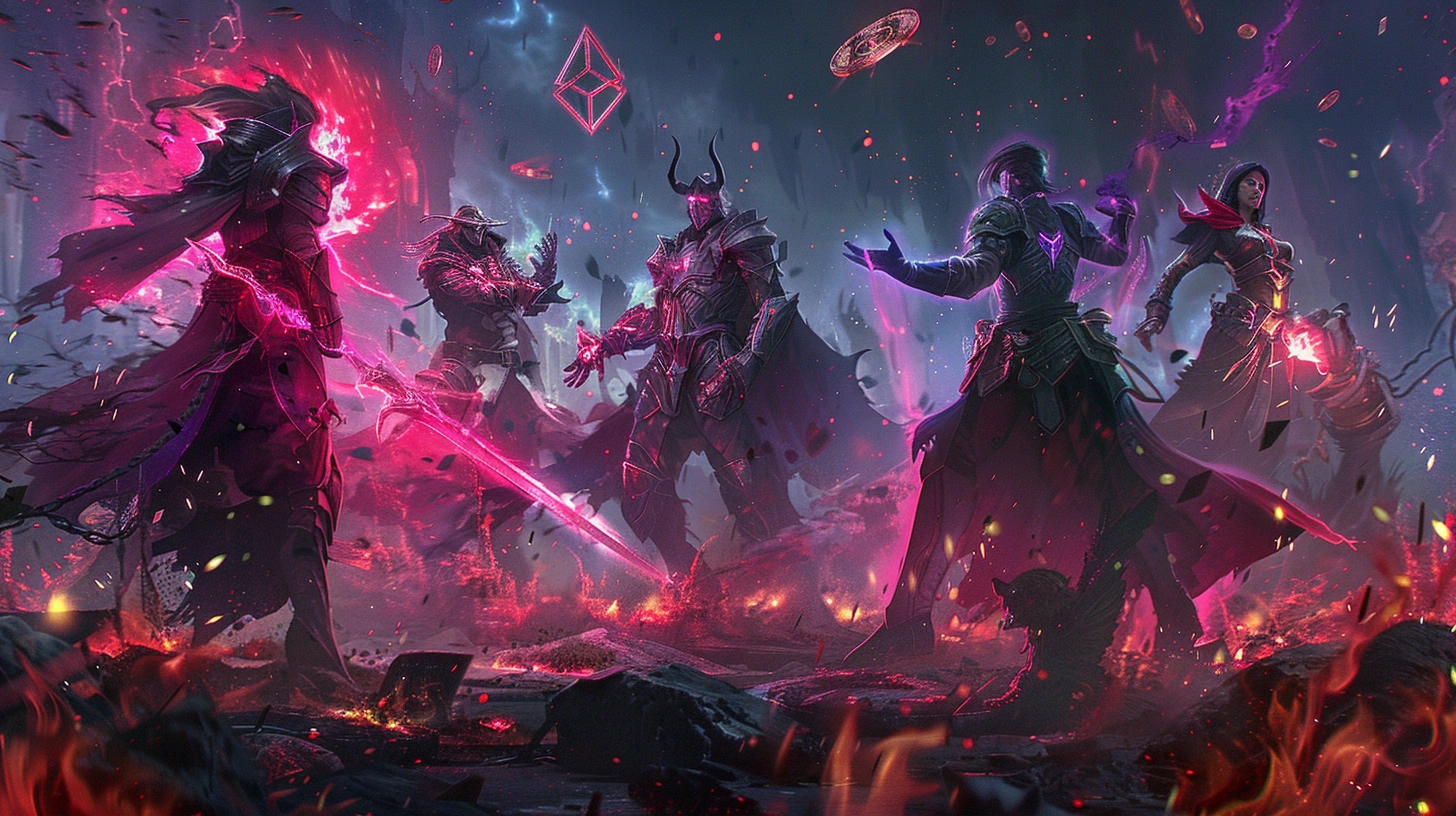
The visual style also plays an important role. The game uses a vibrant fantasy aesthetic that makes characters memorable and enhances the collection aspect. This contributes to stronger player engagement.
Accessibility is another advantage. With simple entry mechanics and intuitive systems, the game appeals to both beginners and experienced players, supporting long-term growth.
2. Gameplay and Core Mechanics
The gameplay revolves around turn-based battles between hero teams. Before each match, players select their lineup, considering abilities and team synergy. During combat, success depends on decision-making, predicting opponent actions, and adapting strategies.
A defining feature of Elemental Raiders is its emphasis on balance and skill. Even powerful heroes do not guarantee victory without proper execution. This aligns the game more closely with classic tactical experiences.
- turn-based PvP battles with strategic depth;
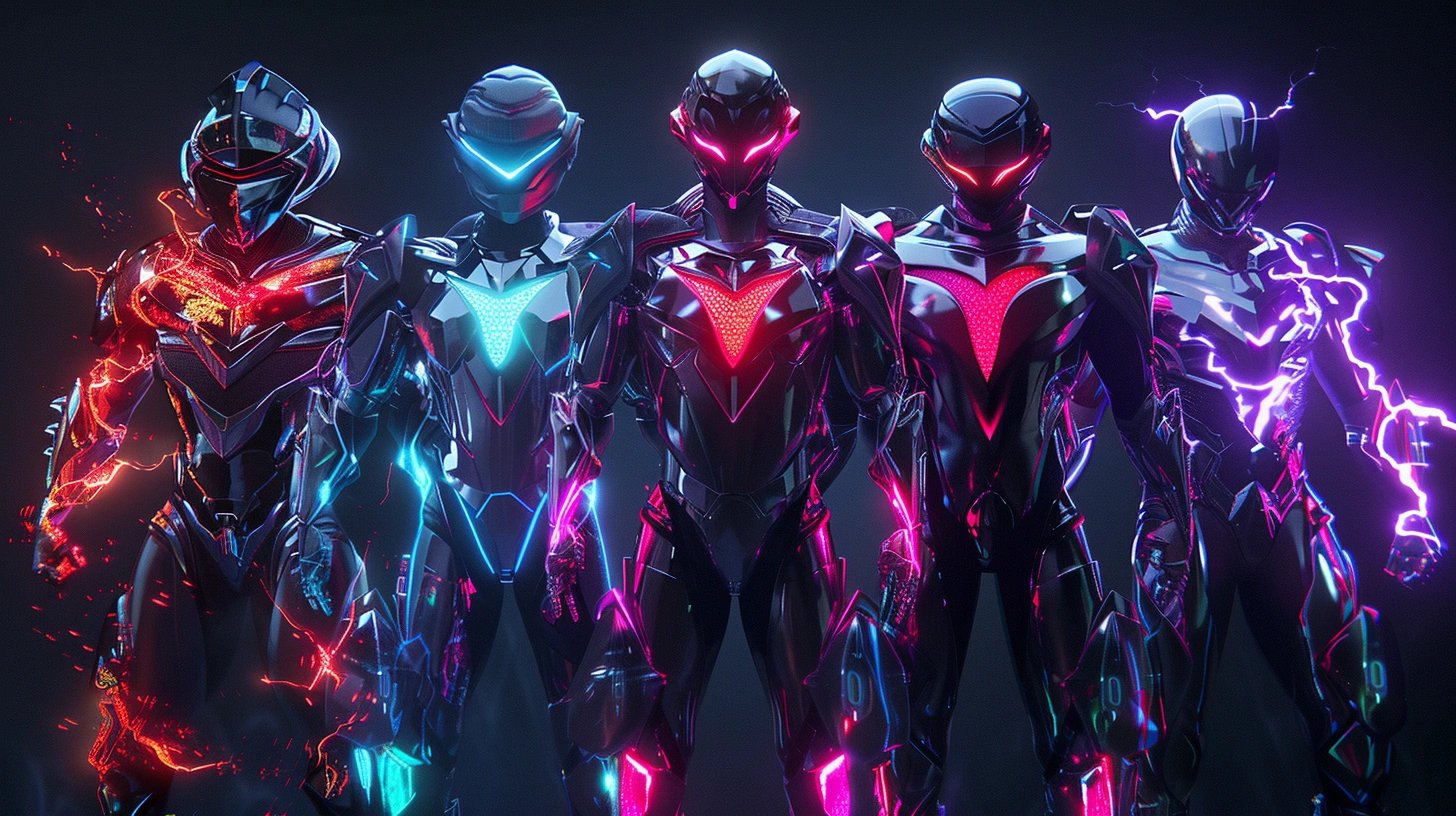
- unique heroes with distinct roles and abilities;
- team synergy and diverse builds;
- ranked modes and competitive systems;
- PvE content for learning and progression.
Different modes allow players to experiment with strategies and improve their teams. This creates a smooth transition from learning to competitive play.
Over time, players develop a deeper understanding of the meta and hero interactions. This adds complexity and keeps matches dynamic. Build diversity helps prevent repetition.
The progression system also encourages regular play. Players unlock new features and strengthen their teams, maintaining long-term engagement.
3. Web3 and NFTs in Elemental Raiders
Web3 integration in Elemental Raiders is optional rather than mandatory. Players can interact with blockchain features through NFTs and tokens, while the core gameplay remains fully accessible without them. This flexibility lowers the barrier to entry.
NFTs represent unique in-game assets, including heroes and cosmetic items. They provide ownership and can be traded between players. Importantly, these assets do not directly affect combat balance.
Blockchain technology also ensures transparency in transactions and ownership tracking. This builds trust and simplifies asset management. Web3 serves as an extension rather than a replacement for gameplay.
NFTs can also function as collectibles. Rare items may symbolize achievements and status, adding a social dimension to the experience.
Additionally, players can manage assets outside the game using wallets. This expands usability and trading opportunities within the ecosystem.
4. Tokens and Project Economy
The economy of Elemental Raiders includes both Web3 tokens and in-game resources. The main token, RAID, is used for NFT-related operations and participation in the ecosystem. At the same time, traditional currencies remain essential for progression.
The developers aim to maintain balance between gameplay and economics. Controlled supply and specific mechanics help limit inflation and preserve asset value. This creates a more stable system compared to many GameFi projects.
| Name | Type | Purpose | Features |
|---|---|---|---|
| RAID | Web3 token | NFT purchases, ecosystem participation | Connected to blockchain economy |
| Gold | In-game currency | Hero progression | No market value |
| Shards | Resource | Unlocking heroes | Used in progression systems |
Resource distribution is also carefully managed. This prevents dominance by a small group of players and maintains fairness.
The economic model encourages activity but does not force Web3 participation. This flexibility allows players to choose how they engage with the system.
5. Risks, Outlook, and Conclusions
Elemental Raiders presents a balanced approach to Web3 gaming but still carries risks. These include token volatility and shifting interest in NFTs. Such factors mainly affect the economic layer rather than the gameplay itself.
A key strength is the independence of gameplay from blockchain systems. Players can enjoy the full experience without engaging in Web3, making the project more resilient to market changes.
The future of the game depends on competitive scene development and ongoing content updates. With proper support, it can establish a stable position in the tactical PvP niche.
Community growth is another important factor. Active players shape the meta and influence the game's popularity, contributing to long-term development.
Overall, Elemental Raiders can be seen as an example of GameFi evolution, where technology is integrated thoughtfully. It demonstrates how Web3 can enhance gaming without compromising core design.











