

Era of Explorers is a Web3 game that combines exploration, strategy, and digital asset management. The project encourages players not just to complete tasks for rewards, but to build their own in-game ecosystem where every element has value. Through blockchain technology, users gain control over their resources and characters. This makes the game part of a new generation of GameFi projects focused on long-term engagement and participation.
Contents
- Era of Explorers Concept and World
- Gameplay and Exploration Mechanics
- NFTs and Character Development
- Economy and Era of Explorers Tokens
- Advantages and Limitations
1. Era of Explorers Concept and World
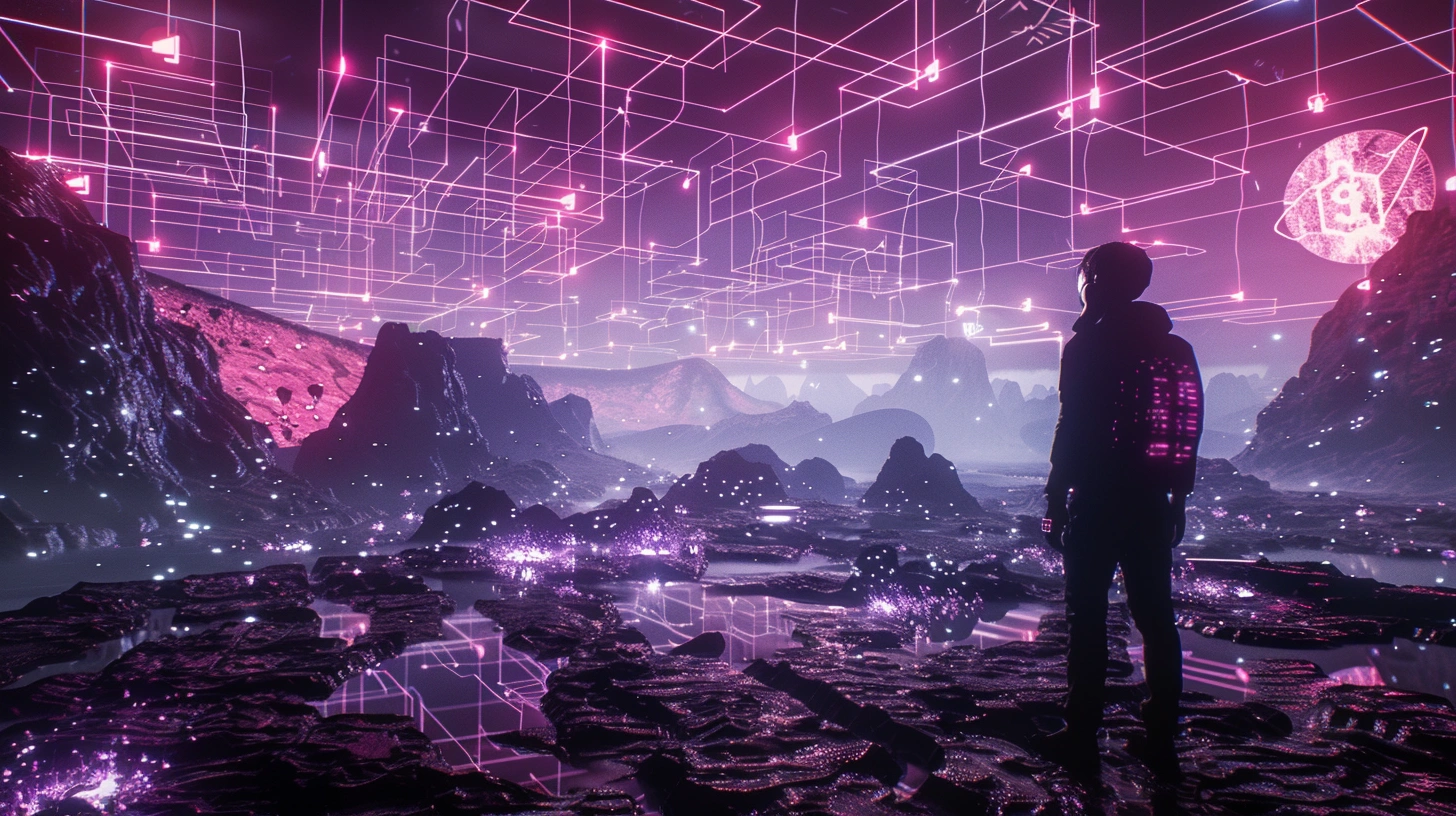
Era of Explorers is built around the idea of exploring territories and discovering resources. Players take on the role of explorers, embarking on expeditions and gradually unlocking new areas of the game world. This approach forms the foundation of interaction and defines the direction of progression. The project follows Web3 principles, where digital assets belong to the user. This means that in-game items, characters, and achievements can have value beyond the game itself. This model reflects a core idea of blockchain gaming — ownership and control over the results of player activity.
Additionally, the concept focuses on gradual progression. Players do not receive all features at once but unlock them over time. This creates sustainable motivation and makes the gameplay more structured. The game world is designed to encourage exploration and experimentation. Players can choose different development paths and adapt their strategy to their goals. This reduces linearity and increases variability. Interaction between players also plays an important role, as cooperation and competition for resources create a living ecosystem. As a result, the world feels dynamic and constantly evolving.
2. Gameplay and Exploration Mechanics
The gameplay is based on expeditions and resource management. Players send characters into different zones where they gather resources and encounter events. Some missions require preparation and strategy, as risk and reward are closely connected. Players must consider multiple factors, including character levels, available resources, and location difficulty. This makes each expedition part of a broader development strategy rather than a simple action. Over time, players learn optimal routes and improve their decision-making.
Main gameplay elements include:
- exploring new territories;
- completing missions and tasks;
- collecting and distributing resources;
- developing bases and infrastructure;
- participating in PvE and PvP activities.
Random events and player interaction add unpredictability and depth. The presence of both PvP and PvE modes allows users to choose their preferred playstyle. As players progress, they gain access to more complex challenges, reinforcing a sense of growth and keeping gameplay engaging. Ultimately, the game blends strategy, exploration, and management elements into a cohesive system.
3. NFTs and Character Development
NFTs are the foundation of the progression system. Characters have unique attributes that influence task efficiency, while rarity levels determine their potential and role. Players can upgrade their characters by improving skills and unlocking new abilities. This directly impacts expedition success and development speed, making progression more strategic and meaningful.
In addition to characters, territories and items play an important role. Land can also be represented as NFTs and used to generate resources. These assets can be upgraded or combined, adding another layer of development. As a result, asset value depends not only on rarity but also on practical use, making gameplay more flexible.
Players can build their own strategies by combining different NFT types. This allows for customization of playstyle depending on objectives. Interaction between assets creates a deeper progression system and expands gameplay possibilities.
4. Economy and Era of Explorers Tokens
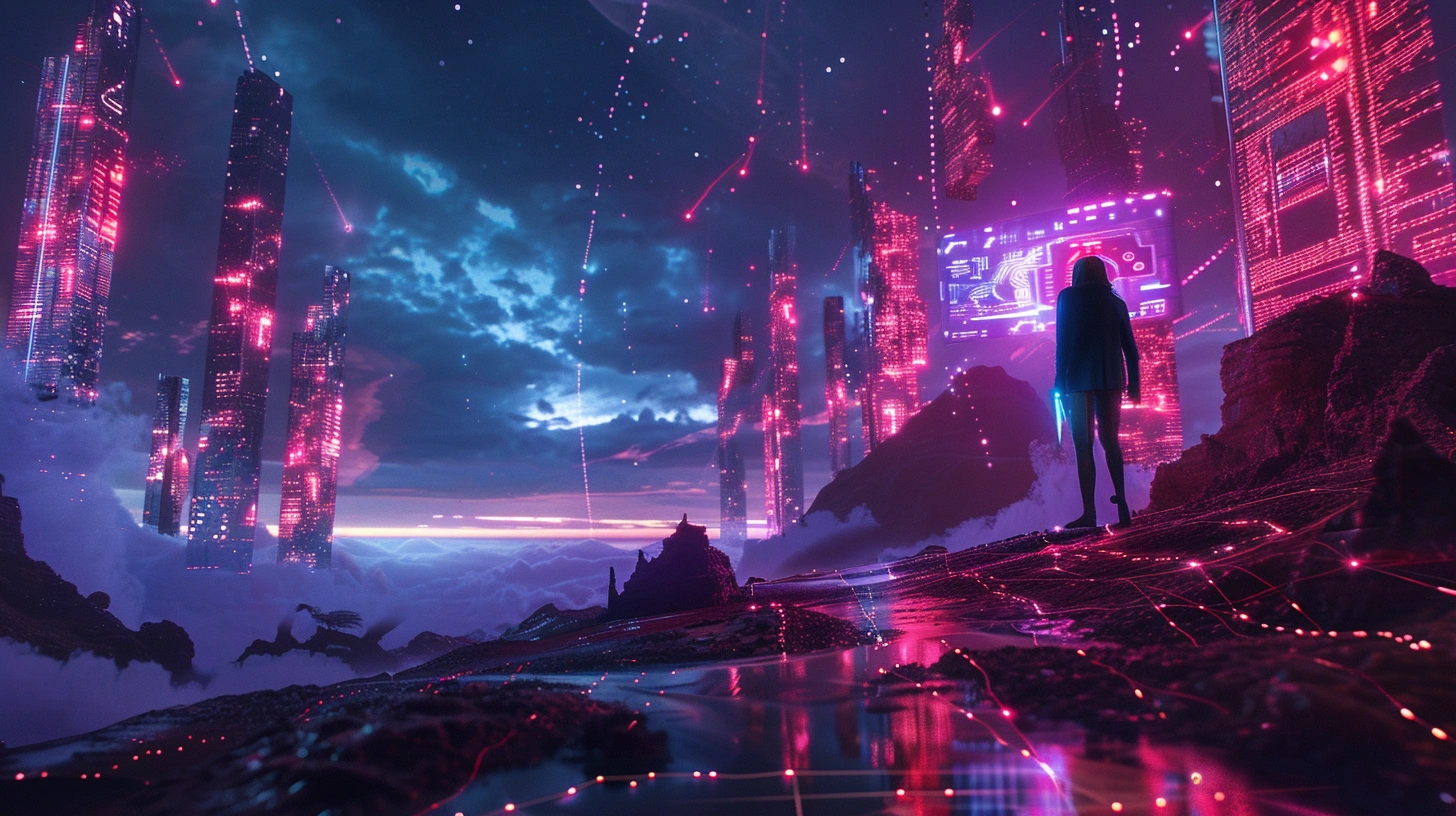
The economy of Era of Explorers is built on a combination of in-game resources and a primary token. This approach separates gameplay and financial layers, reducing pressure on a single currency. Players earn rewards through activity and use them for development. A key feature is the interaction between different asset types. Resources, NFTs, and the main token work together to form a unified economic model, allowing more flexible progression.
Developers also aim to balance resource inflow and outflow. This helps maintain economic stability and reduces the risk of asset devaluation. As a result, players can expect a more устойчивую игровую среду. The system also encourages long-term engagement, rewarding active participation with more opportunities for growth.
| Token | Role | Usage |
|---|---|---|
| EOE / EOET | Main token | Asset purchases, trading, ecosystem participation |
| Game Resources | In-game resources | Crafting and upgrading items |
| NFT Assets | Digital assets | Character and territory development |
Players can earn tokens by completing missions and participating in in-game activities. This creates a play-to-earn model where actions are directly linked to rewards. Resource sink mechanics are also implemented to maintain balance and prevent inflation, which is common in many Web3 games.
5. Advantages and Limitations
Era of Explorers stands out due to its combination of exploration and strategy, offering deeper gameplay compared to typical Web3 games focused mainly on token farming. Its strong point lies in the NFT system and distributed economy, allowing players to own assets and actively participate in ecosystem growth. This makes gameplay more meaningful and engaging.
At the same time, the complexity of the mechanics can be challenging for new users, especially those unfamiliar with blockchain gaming. Understanding the system requires time and learning. Additionally, the project depends heavily on community activity, as Web3 economies rely on player engagement and interaction.
Overall, Era of Explorers demonstrates a direction for Web3 gaming development where strategy, exploration, and digital asset management are combined. Despite existing challenges, the project highlights the potential of GameFi as a model that merges gameplay with real value and long-term user engagement.











