
Era7: Game of Truth S2 is the second season of the World Cup Tournament in Era7, a blockchain card game built on BNB Chain. The project combines trading card game mechanics, NFT cards, short strategic PvP battles, and an economy based on the ERA and GOT tokens. Season 2 took place in November 2022 and expanded the competitive model introduced with the first WCT rather than representing a separate new game. Hundreds of players from dozens of countries participated in the tournament, while Era7's infrastructure was expanded with Web3 esports tools and a reward system.
Contents:
- Era7: Game of Truth S2 — Season 2 Overview
- Era7 Gameplay: Cards, Decks, and PvP Battles
- NFT Master Cards, Battle Cards, and the Game Economy
- ERA and GOT Tokens in the Era7 Ecosystem
- World Cup Season 2, EsportsFi, and Era7 Development
1. Era7: Game of Truth S2 — Season 2 Overview
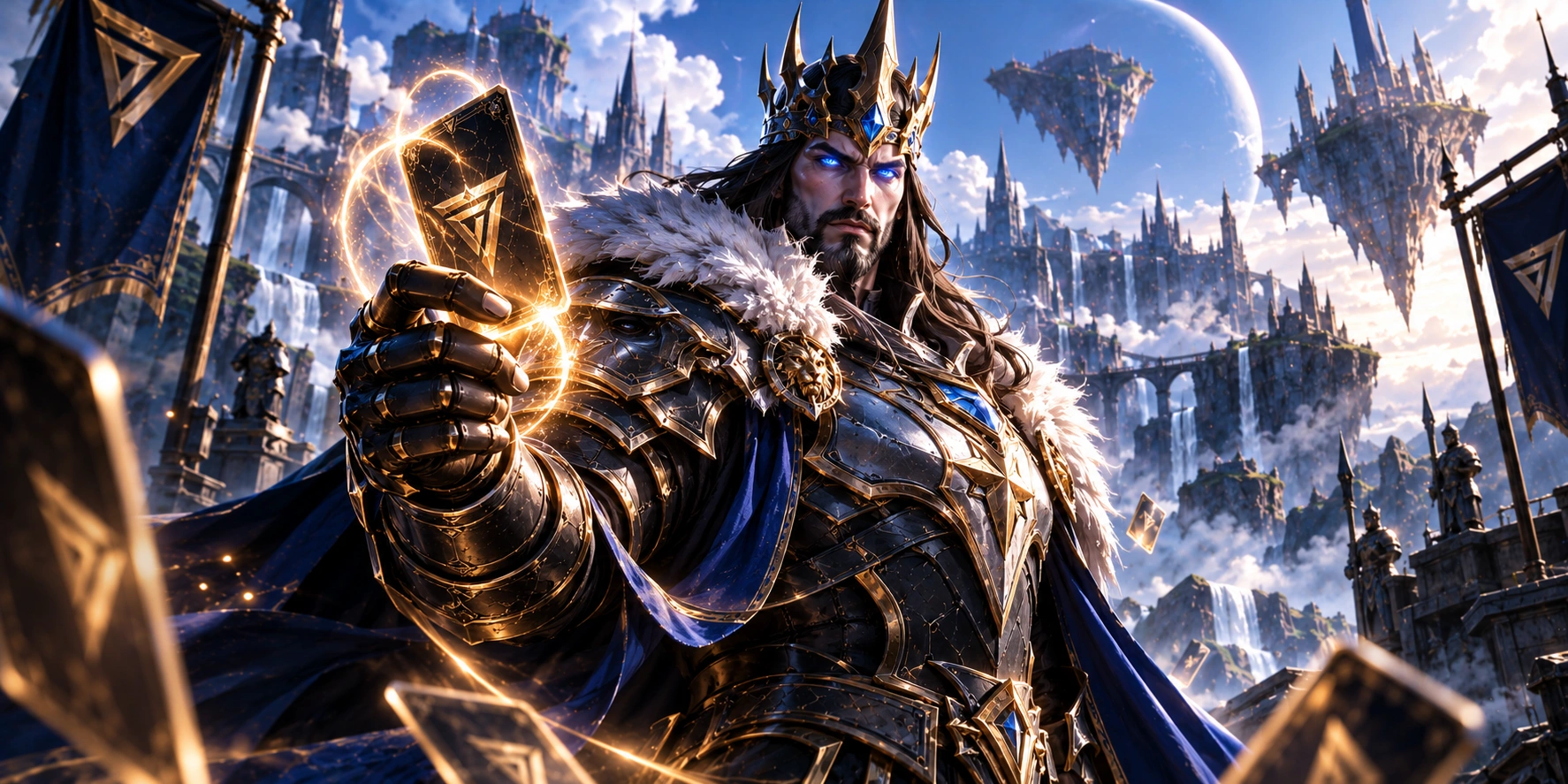
Era7: Game of Truth emerged as a blockchain TCG inspired by classic card games such as Hearthstone and Magic: The Gathering. The project was built on BNB Chain, formerly known as Binance Smart Chain, and the game officially launched on March 30, 2022. Era7 is based on short matches in which the outcome depends on deck composition, unit positioning, and player decisions.
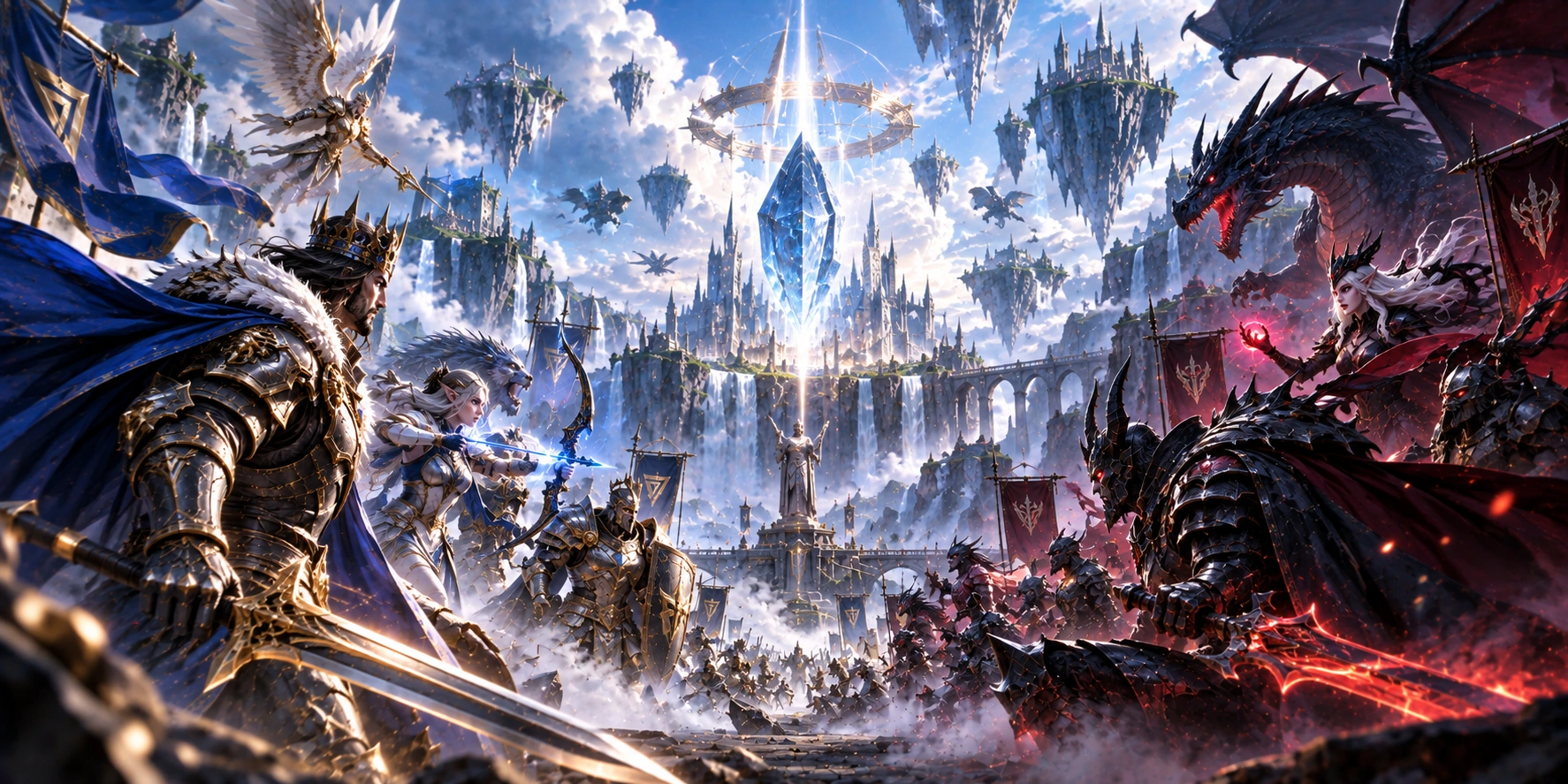
The game is set on the Continent of Truth, inhabited by seven races. Players take the role of a Summoner and build decks using Battle Cards. The project's early concept included more than a thousand different cards, while each match was designed as a short competition lasting around three minutes. This format allowed Era7 to combine TCG mechanics with ranked and tournament modes.
The S2 designation primarily refers to the second season of the Era7 World Cup Tournament. After the first WCT ended, the team moved on to Season 2, with the qualification period taking place in autumn 2022. The first stage of the second season began in November, while the final stages were completed later that month. Therefore, S2 should be viewed as a historical competitive season of Era7 rather than a current 2026 release.
In Season 2, the developers placed greater emphasis on Web3 esports. In addition to the matches themselves, the tournament ecosystem included rankings, broadcasts, and activities for commentators and the community. According to BNB Chain, players from more than 46 countries participated in the second WCT, making the season one of the notable stages in the project's early development.
2. Era7 Gameplay: Cards, Decks, and PvP Battles
Era7's core mechanics are built around a deck of 30 Battle Cards. The battlefield is divided into zones, while players take turns using creature cards and various abilities. The objective is to create an effective combination of units, control the battlefield, and reduce the opponent's health to zero. Cards can attack, protect allied units, or modify the characteristics of participants in battle.
The game uses a battlefield with a 3×3 grid on each side. This structure makes positioning part of the strategy: not only the strength of a particular card matters, but also where it is placed. The combination of short matches and pre-built decks distinguishes Era7 from longer turn-based blockchain strategy games.
Key gameplay elements of Era7:
- 30-card deck — players build a deck of Battle Cards to participate in battles.
- 3×3 battlefield — units are placed on a limited grid, making positioning an important tactical element.
- PvP — ranked matches allow players to compete against each other.
- PvE — single-player modes offer a sequence of battles and in-game rewards.
- Campaign — a separate PvE format featuring levels and series of battles.
- Card synthesis — game cards can be combined and upgraded using ecosystem resources.
- World Cup Tournament — the tournament system is designed for the competitive side of Era7.
Ranked results played an important role in Season 2. After the qualification period, participants who reached the required positions advanced to the WCT, which used group and knockout stages. At certain stages, matches were played in a Best-of-Three format, meaning players needed not only one strong combination but also the ability to adapt their strategy between games.
3. NFT Master Cards, Battle Cards, and the Game Economy
Era7's NFT infrastructure divides cards into several types. Master Cards are NFT assets associated with the Summoning mechanic but are not used directly in battle. They allow players to create Battle Cards, which are then used to build combat decks. Master Cards have different rarity levels, including Common, Rare, Epic, and Legendary.
Before being used, a Master Card had to be activated through the Unsealing system. The number of available Summoning operations depended on the NFT's characteristics and rarity. Once the predefined number of summons had been exhausted, additional game resources were required to continue the process. This mechanism connected NFTs with the token economy because creating new Battle Cards generated demand for in-game assets.
| Element | Type | Function in Era7 |
|---|---|---|
| Master Card | NFT | Used for Summoning new Battle Cards |
| Battle Card | Game Card | Forms the deck and participates in battles |
| ERA | Platform Token | Used in the economy, rewards, and gameplay mechanics |
| GOT | Resource Token | Used as a consumable in-game resource |
| PvE | Game Mode | Battles against the game environment and resource rewards |
| PvP / WCT | Competition | Player-versus-player matches, rankings, and tournaments |
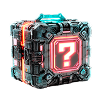
In January 2022, Era7 also conducted an Initial Game Offering on Binance NFT Marketplace. The IGO offered Fantasy Boxes containing NFT Master Cards featuring characters from the game's seven races. This took place before the full launch of the game and became one of the methods used for the initial distribution of game NFTs.
Unlike a conventional collection of digital images, NFTs in Era7 were integrated directly into the gameplay loop: a Master Card could generate Battle Cards, while the characteristics of the resulting cards affected the combinations available to players. At the same time, the market value of NFTs depended not only on their in-game utility but also on external market demand, meaning that ownership of these assets involved price and liquidity risks typical of GameFi.
4. ERA and GOT Tokens in the Era7 Ecosystem
Era7's economy was originally designed around two tokens. ERA is the project's primary platform token, while GOT functions as a consumable in-game resource. ERA has a maximum supply of 1 billion tokens. Both assets operate within the BNB Chain infrastructure and have historically been used across different components of Era7's GameFi model.
ERA was used for in-game operations, ranked competition rewards, and various economic mechanisms. In the original model, the developers also associated the token with governance and staking functions. GOT was more directly focused on the gameplay loop: it was used for Summoning and card development and was also distributed as a reward in certain PvE and PvP mechanics.
The dual-token model was designed to separate the functions of the ecosystem's main asset from those of a frequently consumed in-game currency. A similar structure was used by several early play-to-earn projects: one token performed broader economic and governance functions, while the second supported the circulation of resources within the game.
However, the presence of tokens does not guarantee the sustainability of a game economy. The value of ERA and GOT is determined by the market, while reward volumes, user activity, and demand for NFTs can change over time. For play-to-earn projects in particular, maintaining a balance between reward issuance and meaningful token utility is important because declining player activity can reduce internal demand for game resources.
5. World Cup Season 2, EsportsFi, and Era7 Development
The World Cup Tournament represented an attempt by Era7 to develop the game not only around play-to-earn mechanics but also around competitive Web3 gaming. Before the second season, the project acquired a 35% stake in ESFI, a Web3 esports tournament management platform. ESFI founder Adam Zhao joined Era7's management, while ESFI infrastructure was used to develop the tournament system, rankings, and competition-related services.
WCT Season 2 qualification determined participants based on ranked results. According to the published rules, players were divided into several leagues, with the highest-ranking positions providing access to subsequent stages. Hundreds of players participated in the Play-In stage and were organized into groups, while the winners advanced to the group and knockout stages.
By the end of the season, BNB Chain reported nearly one thousand participants from more than 46 countries. The initial WCT S2 selection included 924 ranked players, while the final stage determined the four strongest participants. The tournament was accompanied by broadcasts and a separate program for EsportsFi commentators. Season 2 therefore expanded the competitive model of the first WCT and experimented with combining TCG gameplay, blockchain rewards, and esports infrastructure.
When evaluating Era7: Game of Truth S2, it is important to consider its historical context. The main events of the second season took place in 2022, so they should not be presented as a new 2026 game season without separate official confirmation. Era7 remains an example of an early generation of BNB Chain GameFi projects in which NFT cards, ERA, and GOT were integrated directly into TCG mechanics, while WCT S2 demonstrated an attempt to shift the focus from a purely play-to-earn economy toward competitive Web3 gameplay. The long-term value of this model depends on player activity, game balance, NFT and token liquidity, and the project's ability to maintain relevant content and a sustainable tournament ecosystem.