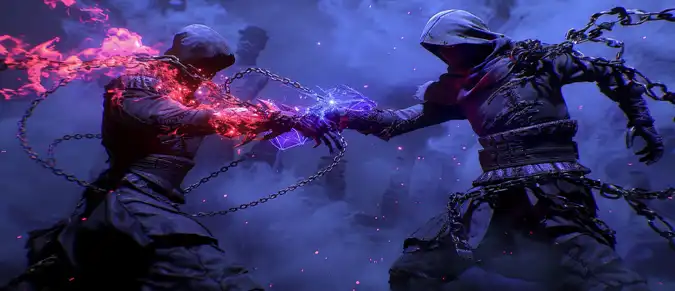

Faraland — is a Web3 RPG game that combines classic gameplay mechanics with blockchain technology. The project stands out among other play-to-earn solutions by focusing not only on earning opportunities but also on delivering a полноценный gaming experience. Users gain full control over digital assets, develop their characters, and interact within an economy based on NFTs and tokens. This approach creates a more sustainable model where value is driven by gameplay rather than speculation alone.
Contents
- Faraland Overview
- Gameplay and Combat Mechanics of the Game
- NFTs and In-Game Assets
- Faraland Economy and Tokens
- Project Development and Future
1. Faraland Overview
Faraland is a decentralized RPG where each character is represented as a unique NFT. The project is built on Binance Smart Chain, enabling low transaction fees and fast processing speeds. Players can truly own their heroes, freely trade them, and use them in various in-game scenarios.
The core idea is to bring traditional role-playing mechanics into a Web3 environment. Instead of centralized storage, all assets belong directly to users, reinforcing a sense of real ownership and increasing engagement. At the same time, developers aim to balance entertainment and economic elements to avoid a purely profit-driven experience.
The project is designed for long-term growth, reflected in regular updates and gradual expansion of the game world. This makes Faraland more устойчивым compared to short-term Web3 initiatives.
It is also worth noting that Faraland активно adopts the GameFi approach, combining gaming and financial systems. This allows users to enjoy gameplay while also benefiting from asset ownership. The community plays a significant role as well, contributing through feedback and market activity, forming a dynamic ecosystem where players become part of the digital world.
2. Gameplay and Combat Mechanics of the Game
The gameplay in Faraland revolves around turn-based battles that require strategy and effective use of abilities. Each character belongs to a specific race, which determines their stats and combat style. Some heroes focus on physical damage, while others specialize in magic or support roles.
Combat involves analyzing opponents and selecting optimal tactics. Players must consider strength balance, attack types, and equipment features. This adds depth and ensures that each battle feels unique.
- Turn-based combat system with strategic elements
- Multiple races with unique characteristics
- Participation in both PvE and PvP modes
- Character progression and skill upgrades
- Equipment system to enhance performance
These elements make Faraland more than just a financial tool — it becomes a fully developed game with engaging mechanics.
Additional variety comes from in-game events and tournaments where players can test their strategies. Regular updates help maintain balance and prevent repetitive gameplay patterns. Developers also introduce new enemy types and scenarios, expanding interaction possibilities. All of this contributes to a more dynamic experience and keeps players engaged.
3. NFTs and In-Game Assets
NFTs are at the core of the Faraland ecosystem. Each hero is a unique token containing data about stats, level, and rarity. This ensures that every character is distinct and creates a market where value depends on attribute combinations.
In addition to characters, NFTs are used for equipment such as weapons, armor, and artifacts. These items directly affect battle performance, allowing players to adapt their strategy. Users can upgrade or trade items, adding another layer of interaction.
Rarity plays a crucial role in determining value. The more unique an asset is, the higher its market price. This encourages participation and supports a demand-driven economy.
Furthermore, NFTs may be used in future mechanics such as crafting and modification. This expands interaction possibilities and increases long-term value. Open trading ensures liquidity and attracts new participants, forming a fully functional digital asset marketplace within the ecosystem.
4. Faraland Economy and Tokens
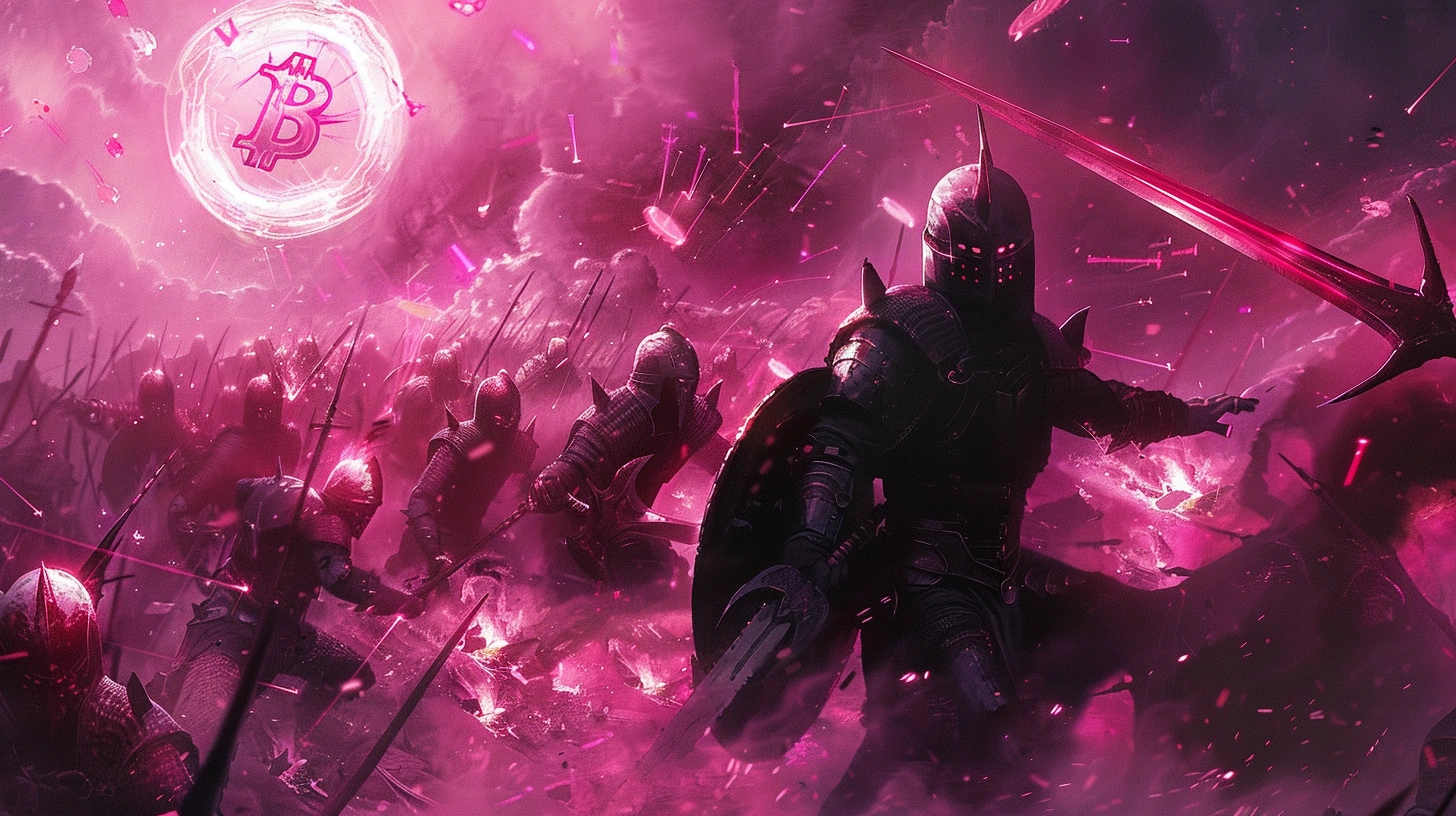
The economic system of Faraland is built around multiple tokens, each serving a specific function. The main token is used for core operations, including NFT purchases and trading. Additional in-game currencies are used for rewards and character progression.
| Token | Type | Function |
|---|---|---|
| FAR | Main | Trading, NFT purchases, ecosystem participation |
| FARA | In-game | Battle rewards and character development |
This structure separates financial and gameplay functions, reducing pressure on a single currency. Players earn tokens through active participation, making the economy dynamic and engagement-driven.
Staking mechanisms are also available, allowing users to earn passive income. This encourages long-term holding and reduces market volatility. Maintaining a balance between token supply and usage is essential for sustainability, and developers aim to prevent inflation and asset devaluation.
5. Project Development and Future
Faraland continues to evolve by introducing new features and expanding gameplay opportunities. The team focuses on improving balance, adding content, and developing more complex scenarios, including new modes, cooperative missions, and advanced interaction systems.
Enhancing the overall gaming experience remains a key priority. In the competitive Web3 gaming space, depth and gameplay diversity are crucial factors for success.
The project aims to position itself as a solution that combines economic benefits with engaging gameplay. With growing interest in blockchain games, Faraland has strong scaling potential. Continued ecosystem development and balance between game mechanics and economy will help strengthen its market position.
Integration with other Web3 platforms may further expand functionality and attract new users. Partnerships and technological improvements, including UI enhancements, create a foundation for long-term growth.
Overall, Faraland demonstrates how Web3 technologies can be effectively integrated into traditional game genres without compromising quality. The combination of RPG mechanics, NFTs, and decentralized economy forms a comprehensive ecosystem appealing to both gamers and crypto enthusiasts. A balanced development strategy and focus on user engagement position the project as a promising player in the Web3 gaming sector.











