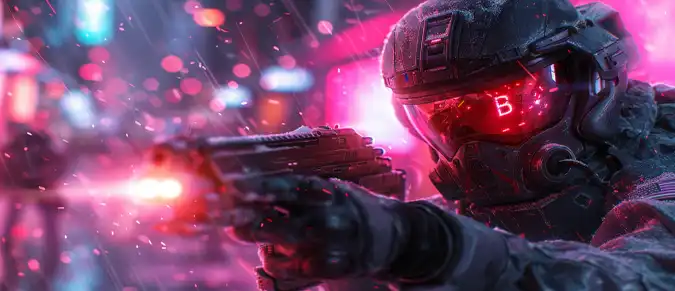

FOAD is a Web3 game that combines dynamic PvP gameplay, internet culture, and elements of crypto economy. The project is developing as a multiplayer ecosystem where digital assets become part of the gaming experience, while the community plays a central role in the platform’s growth. As the GameFi sector evolves, FOAD is moving away from the traditional play-to-earn approach by focusing on entertainment, competitive mechanics, and a unique atmosphere. The game combines NFTs, in-game tokens, and Web3 infrastructure with a visual style inspired by meme culture and the chaotic aesthetics of the internet. Because of this, FOAD stands out from many blockchain games that focus primarily on financial mechanics.
Contents
- What Is FOAD and How the Project Works
- Gameplay and Web3 Mechanics
- Game Economy and Digital Assets
- Advantages and Risks of FOAD
- The Future of the Project and GameFi Development

1. What Is FOAD and How the Project Works
FOAD is a multiplayer Web3 game focused on PvP combat, digital economy systems, and player interaction. The project combines elements of online shooters, social platforms, and blockchain infrastructure, creating an environment where players can participate in matches while also owning in-game digital assets.
One of FOAD’s most recognizable features is its visual identity. The game uses meme culture, aggressive digital aesthetics, and the atmosphere of internet chaos. This approach helps the project stand out from more traditional GameFi products that are often built around financial mechanics without a strong gaming identity.
The FOAD team actively promotes a game-first concept. This model suggests that the game should remain enjoyable even without tokens or NFTs. The strategy emerged as a response to the problems faced by early play-to-earn projects, where user interest often disappeared once token prices declined.
The project also places strong emphasis on community development. Social interactions, player participation, and digital identity are important parts of the ecosystem. In modern Web3 gaming, an active community is often considered one of the key factors for long-term success.
2. Gameplay and Web3 Mechanics
FOAD’s gameplay revolves around competitive PvP modes, fast-paced matches, and interaction between players. Unlike many early blockchain games, the project focuses less on token farming and more on gameplay dynamics and player engagement.
FOAD uses arena-based gameplay mechanics where players battle, upgrade characters, and earn in-game items. Some assets exist as NFTs, allowing players to verify ownership through blockchain technology. At the same time, the developers aim to make Web3 integration less intrusive for mainstream gamers.
Main Features of FOAD
- dynamic PvP gameplay;
- NFT and digital asset integration;
- meme culture and unique visual design;
- Web3 mechanics within the game ecosystem;
- community-driven structure;
- ownership of in-game digital items;
- competitive events and clan systems;
- game-first philosophy instead of classic play-to-earn.
Social interaction also plays an important role. The game includes clans, community events, and player-driven activities that help maintain audience engagement beyond competitive matches.
This combination of traditional gaming mechanics and blockchain technology allows FOAD to appeal not only to crypto users but also to fans of multiplayer online games.
3. Game Economy and Digital Assets
FOAD’s economic model is built around NFT items, in-game tokens, and community activity. Players gain access to digital assets that can be used for customization, character progression, and interaction within the ecosystem.
One of the key features of the game is NFT integration. Digital items allow users to prove ownership and potentially trade assets within the Web3 infrastructure. While this model has become common in GameFi projects, FOAD attempts to make NFTs part of the gameplay experience rather than the only reason for player participation.
| Element | Purpose | Role in the Ecosystem |
|---|---|---|
| NFT Items | Digital ownership | Verification of unique assets |
| Game Tokens | Economy and rewards | Supporting in-game activity |
| PvP Rewards | Player motivation | Increasing community engagement |
| Customization | Character personalization | Building digital identity |
Tokens within the ecosystem are used for rewards, gameplay mechanics, and community incentives. The developers emphasize the importance of balancing gameplay and economics to avoid excessive dependence on market speculation.
The sustainability of projects like FOAD depends heavily on user activity. If player interest declines, the value of in-game assets may also decrease. This is why the project focuses primarily on gameplay quality and community development.
4. Advantages and Risks of FOAD
One of FOAD’s main advantages is its attempt to combine a полноценный PvP experience with Web3 economics. Many early GameFi projects were criticized for weak gameplay where users participated mainly for financial rewards. FOAD aims to avoid this problem by developing the game as a standalone entertainment product.
Another strength is the project’s strong visual identity. Meme culture, aggressive aesthetics, and internet-inspired atmosphere help the game stand out among other Web3 titles. In the gaming industry, a recognizable style plays a major role in building brand awareness.
However, the project also faces serious risks. The GameFi market remains unstable, and interest in Web3 gaming often depends on the overall condition of the crypto industry. During bearish market cycles, player activity and token values frequently decline.
Competition is another challenge. The market already includes a large number of metaverse projects, NFT games, and blockchain-based PvP experiences. To retain players, FOAD must continue releasing updates, balancing the in-game economy, and expanding its community.
Technical execution is also important. Modern gamers expect stable online performance, polished gameplay, and seamless blockchain integration without complicated technical processes.
5. The Future of the Project and GameFi Development
FOAD is developing during a period when the GameFi industry is moving away from the classic play-to-earn model and focusing more on gameplay quality and long-term player engagement. Users increasingly expect full gaming experiences rather than projects built only around earning mechanics.
Many analysts believe the future of Web3 gaming lies in combining traditional game design with blockchain technology. NFTs and tokens are gradually becoming part of the ecosystem instead of the main reason for participation.
FOAD’s success will largely depend on its ability to keep players engaged through PvP mechanics, regular content updates, and community development. If the project can maintain a balance between entertainment and digital economy systems, it may strengthen its position within the Web3 gaming sector.
Today, FOAD can be viewed as an experiment at the intersection of GameFi, meme culture, and next-generation PvP games. The project aims to adapt Web3 technology to the expectations of modern gamers while building a more sustainable blockchain gaming model.
FOAD represents a new generation of Web3 games where blockchain becomes part of the gaming experience rather than the project’s only source of value. The game combines PvP gameplay, NFTs, digital economy systems, and internet culture while keeping the focus on gameplay and community engagement.











