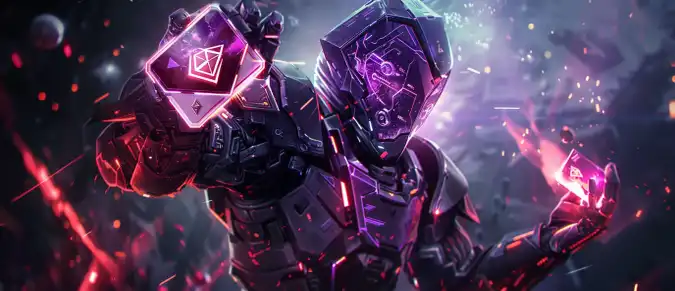

Blockchain games are gradually moving beyond the experimental stage and becoming an independent segment of the digital industry. One notable example of this trend is Galaxia Chronicles — a collectible card game that uses NFTs and smart contracts to build a transparent and sustainable in-game economy. The project combines strategic collecting, on-chain mechanics, and Web3 economic principles, turning in-game assets into true digital ownership. This article explores the key aspects of the project, including its concept, gameplay, NFT model, tokenomics, and development prospects.
Table of Contents
- Concept and Philosophy of Galaxia Chronicles
- Gameplay and Core Mechanics
- NFT Economy and Digital Ownership
- Tokenomics and On-Chain Structure of Galaxia Chronicles
- Ecosystem, Community, and Game Outlook
1. Concept and Philosophy of Galaxia Chronicles
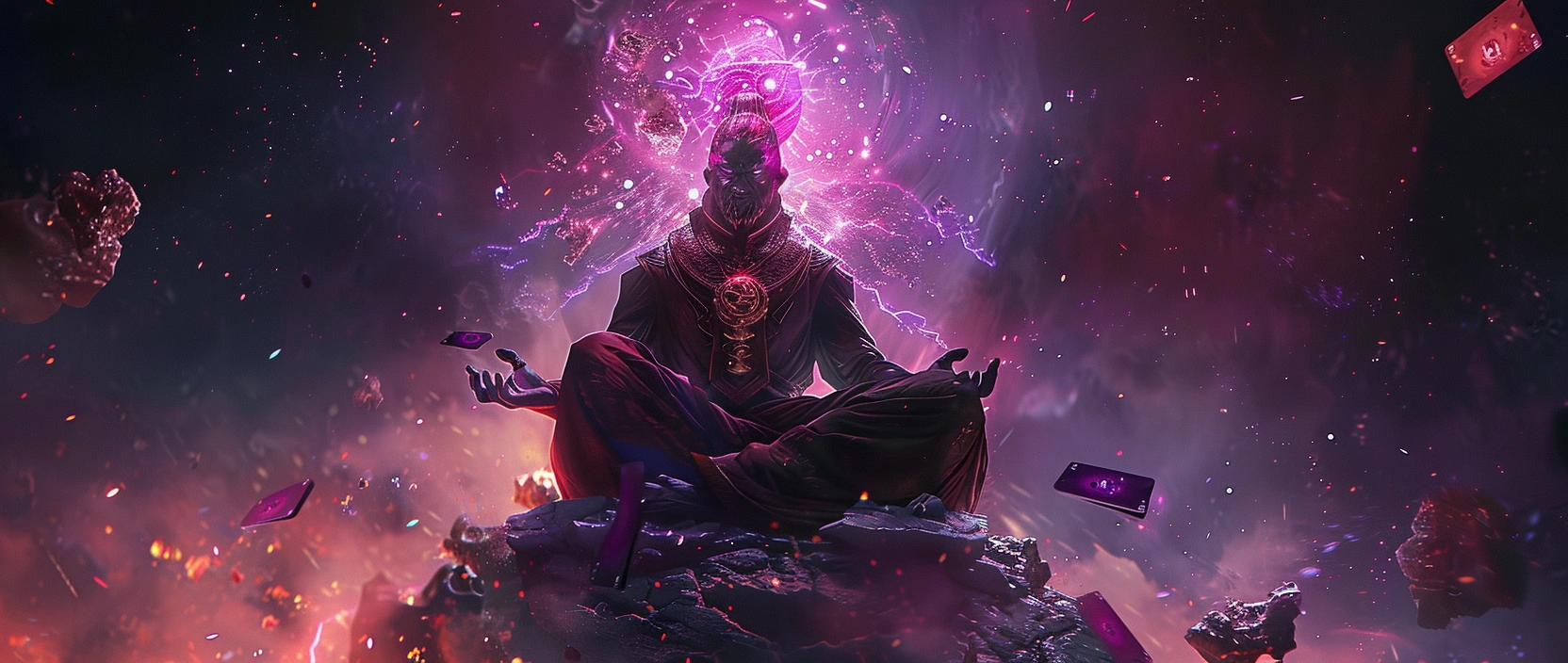
At the core of Galaxia Chronicles lies the idea of a complete transition from traditional game server models to a decentralized architecture. The project is designed with a focus on creating a fully on-chain game, where key logic elements and assets exist directly on the blockchain. This approach ensures transparency, verifiability, and long-term preservation of game data.
Conceptually, the game is built around a sci-fi universe in which each card represents a unique object with its own background and level of rarity. Instead of the conventional model where players merely “rent” items from a developer, users gain true ownership of their assets. This shift changes the interaction paradigm: collecting becomes both an investment-driven and strategic process, while asset value is shaped by the market rather than internal configurations.
The project also follows the philosophy of Web3 composability, anticipating future integrations with other decentralized applications, marketplaces, and ecosystems. This direction positions the game not as a closed product but as part of a broader digital environment. Additionally, it opens up opportunities for reusing in-game assets beyond a single platform. In the long term, such a model increases project resilience, as its value is not limited to one specific game version.
2. Gameplay and Core Mechanics
The gameplay of Galaxia Chronicles revolves around collecting and managing NFT-based cards. Players interact with the game by opening packs, building collections, and participating in in-game activities that gradually expand and evolve. Unlike traditional trading card games, each card here exists as a distinct on-chain object.
Core gameplay mechanics include:
- opening card packs with a probabilistic drop system;
- obtaining NFTs of varying rarity and visual design;
- managing collections as a strategic resource;
- trading and exchanging cards with other players;
- participating in events and limited-time drops.
As the project develops, gameplay is enriched with new modes and additional use cases for cards. This approach maintains a balance between accessibility for newcomers and depth for experienced players, fostering long-term engagement. The limited availability of certain releases further increases player interest and encourages event participation. As a result, gameplay gradually extends beyond simple collecting and acquires a more pronounced strategic dimension.
3. NFT Economy and Digital Ownership
The NFT economy forms the foundation of the entire game system. Each card in Galaxia Chronicles is issued as a non-fungible token, guaranteeing its uniqueness and verifiable origin. Unlike centralized games, assets cannot be revoked or altered without the owner’s involvement.
The economic model is built around an open market, where asset value is determined by demand, rarity, and in-game utility. Players are free to store their NFTs, use them within gameplay mechanics, or list them on external marketplaces without restrictions imposed by the developer.
This approach creates a sustainable ecosystem in which in-game actions are directly tied to real economic value. NFTs move beyond decorative elements and become functional assets that influence strategy and long-term decision-making. It also reduces reliance on centralized servers and studio-controlled policies. As a result, digital ownership gains a clearer and more transparent status.
4. Tokenomics and On-Chain Structure of Galaxia Chronicles
The tokenomics of Galaxia Chronicles is one of the key factors determining the project’s sustainability and long-term viability. The economic model is built around a combination of fungible tokens and NFT assets, all managed through smart contracts. This structure ensures transparency across all operations and allows players to independently verify the rules governing digital resources. Placing economic logic directly on-chain reduces dependence on centralized control and aligns with core Web3 principles.
| Element | Description | Role in the Ecosystem |
|---|---|---|
| Game Token | The primary fungible currency used within the ecosystem | Purchasing card packs, participating in events, and performing in-game actions |
| NFT Cards | Unique digital assets recorded on-chain with verified ownership | Collection building, gameplay participation, and strategic use |
| Burn Mechanisms | The permanent removal of a portion of tokens from circulation | Inflation control and economic balance maintenance |
| Blockchain Networks | Distributed infrastructure supporting assets and transactions | Security, scalability, and reduced transaction costs |
The tokenomics of Galaxia Chronicles is designed to encourage player activity while mitigating inflationary risks. Operating across multiple blockchain networks enables the combination of high security with lower fees, expanding accessibility and lowering the entry barrier. This architecture also facilitates microtransactions and frequent interactions. As a result, the economic model remains flexible and adaptable as the user base grows.
5. Ecosystem, Community, and Game Outlook
The community plays a central role in the development of Galaxia Chronicles. Players not only engage with gameplay but also shape the market, discuss balance decisions, and influence the project’s future direction. This structure is typical for Web3 initiatives, where users become active participants in the ecosystem.
Looking ahead, the project aims to expand its functionality by introducing new card types, gameplay modes, and deeper integration of on-chain logic. These developments open opportunities for long-term growth and adaptation to changes in the blockchain gaming market.
Ultimately, Galaxia Chronicles demonstrates how decentralized technologies can reshape the perception of games, transforming them into sustainable digital worlds with real economic value and transparent interaction rules. An additional advantage is the potential for organic growth without rigid dependence on a single product. This approach strengthens user trust and reinforces the project’s position within the Web3 gaming sector.











