

In the digital age, the problem of managing personal data and online identity has become more acute than ever. Traditional systems based on logins and passwords are vulnerable, and users often lose control over their information.
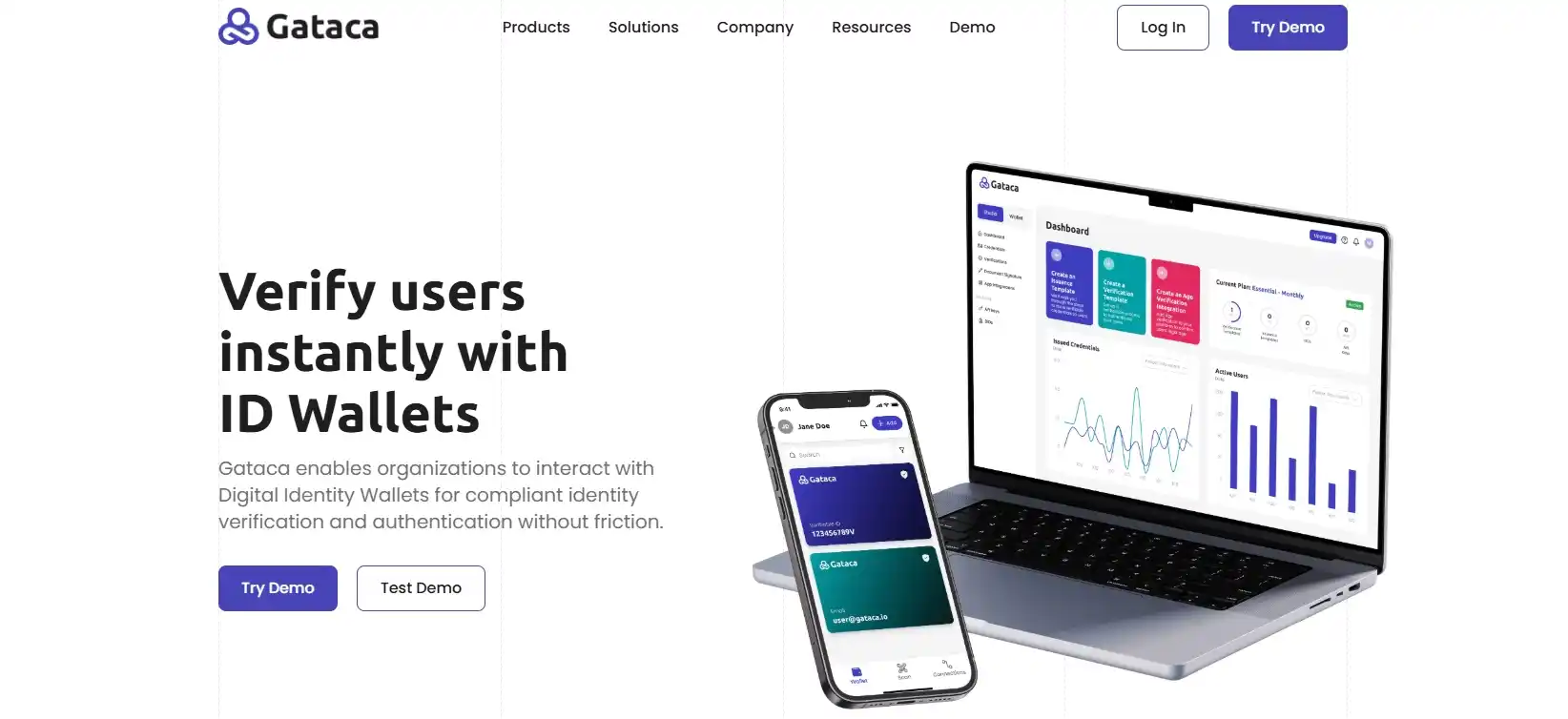
The Gataca project offers a radically new solution based on the principles of self-sovereign identity (SSI) and blockchain technology. This platform allows users to independently and securely store, present, and control their digital credentials, minimizing the risks of leaks and fraud. The implementation of such solutions signifies a paradigm shift towards more private and secure digital interaction.
Contents:
- The Philosophy of Self-Sovereign Identity
- Architecture and Key Components of the Platform
- Benefits of Gataca for Users and Businesses
- Technology Application Areas
- The Future of Gataca and Decentralized Identity
- Conclusion
The Philosophy of Self-Sovereign Identity
At the core of Gataca's solutions lies the concept of self-sovereign identity (SSI), representing a fundamental revision of traditional approaches. Instead of storing data on company servers, the digital credential now belongs exclusively to its owner. The user becomes the rightful holder of their certificates, diplomas, and access credentials.
This approach provides a qualitatively different level of privacy and control. A person independently determines what specific information, in what volume, and under what conditions to disclose for verification, without leaving unnecessary digital traces. The platform acts merely as a technological intermediary, guaranteeing cryptographic authenticity and trust in data exchange.
Architecture and Key Components of the Platform
The technological foundation of Gataca is blockchain, which functions as a distributed and immutable trust ledger. It is important to note that it does not store the user's confidential data itself, but only its cryptographic hashes and statuses, which guarantees verifiability without compromising privacy. The entire ecosystem is built on the interaction of three main roles.
Key system components include:
- Decentralized Identifier (DID): A unique cryptographic reference created by the user and serving as the basis for all their verifiable data.
- Verifiable Credentials (VC): Digital analogs of documents (e.g., passport or diploma), which are issued and cryptographically signed by a trusted issuing organization.
- Mobile Wallet: An application on the user's smartphone that provides secure storage of private keys and management of all credentials.
- Verifier Service: A tool for companies and services that allows them to request and automatically verify the necessary attributes provided by the user with just a few clicks.
The interaction between these elements makes identity and rights verification processes fast and secure. The user scans a QR code from the verifier via the wallet, chooses which data to share, and transmits it in encrypted form. Thus, Gataca's architecture implements the principle of minimal information disclosure, ensuring the highest level of control for the holder of the digital identity.
Benefits of Gataca for Users and Businesses
The implementation of the Gataca platform brings significant benefits to all parties in digital relationships. For end users, the key advantage is the consolidation of control: the need for numerous passwords and repeated uploads of document scans disappears. The principle of minimal data disclosure allows, for example, confirming adulthood without revealing the full date of birth, which significantly increases the level of privacy.
For organizations, the technology minimizes risks and operational costs associated with storing and processing clients' confidential information. Automating verification and onboarding processes speeds up workflows and reduces costs. As a result, the interaction becomes safer, more efficient, and more focused on human needs.
Technology Application Areas
The platform's versatility opens up broad opportunities for its implementation in various industries. Decentralized identity technology can optimize and secure any process requiring reliable verification of a person or documents. From finance to healthcare, it offers a single, convenient standard for digital trust.
| Application Area | Specific Use |
|---|---|
| Financial Sector | Remote client onboarding (KYC), transaction authorization, secure access to online banking. |
| Education | Digital diplomas and certificates, simplified transfer between universities, verification of candidate competencies. |
| Healthcare | Secure access to electronic medical records, digital prescriptions, confirmation of medical staff qualifications. |
| Corporate Environment | Managing employee access to systems and premises, automating counterparty checks. |
The flexibility of the model allows it to be adapted to the specific needs of each sector, ensuring compliance with industry regulations such as GDPR. Implementing such solutions not only reduces operational risks for organizations but also creates a seamless and secure experience for the end user, forming a new ecosystem of digital interaction.
The Future of Gataca and Decentralized Identity
The Gataca project positions itself not just as a technological product, but as an important part of the emerging global trust infrastructure. Its further development is focused on simplifying integration for developers and expanding compatibility with international standards, such as the W3C consortium's Verifiable Credentials.
The roadmap involves the active development of partnership alliances with large organizations in Europe and other regions of the world. In perspective, this could lead to the emergence of a universal and widely recognized digital identity capable of overcoming borders between countries and economic sectors. Such a future will make online interaction smoother, more secure, and more focused on the sovereignty of the individual.
Conclusion
The Gataca project represents a comprehensive response to modern challenges in the field of digital identity, offering a transition from vulnerable centralized systems to a model where the user retains full sovereignty over their data. The use of blockchain as a trust ledger and the principles of minimal information disclosure create a stable foundation for safe online interaction.
Thus, the implementation of such technologies signifies a paradigm shift, paving the way for a digital ecosystem where privacy, security, and convenience are not mutually exclusive goals, but standard characteristics. Widespread recognition and development of such solutions as Gataca can fundamentally transform human interaction with digital services, making it more protected and human-oriented.











