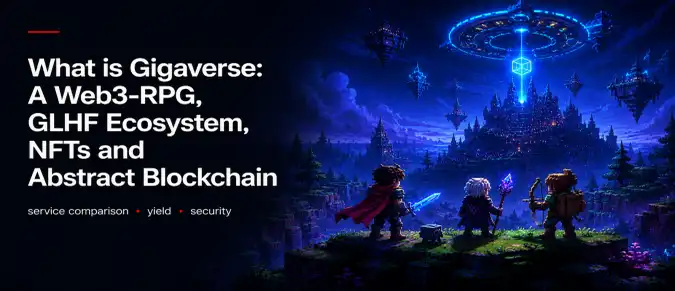

Gigaverse is a browser-based Web3 RPG developed by GLHFers Studio. The project combines classic pixel-art role-playing mechanics with blockchain technology, allowing players to own characters, equipment, and collectible assets as digital property. Built on the Ethereum-compatible Abstract blockchain, Gigaverse features an in-game economy centered around NFTs and player-owned assets. The project aims to create a long-term gaming ecosystem where blockchain supports digital ownership and an open economy rather than serving as the core gameplay mechanic.
Contents
- What Is Gigaverse and How Does the Game Work?
- Gameplay and Core Mechanics
- Gigaverse Ecosystem, NFTs, and the In-Game Economy
- Key Features and Advantages of the GLHF Platform
- Gigaverse and the Evolution of Browser-Based Web3 RPGs
1. What Is Gigaverse and How Does the Game Work?
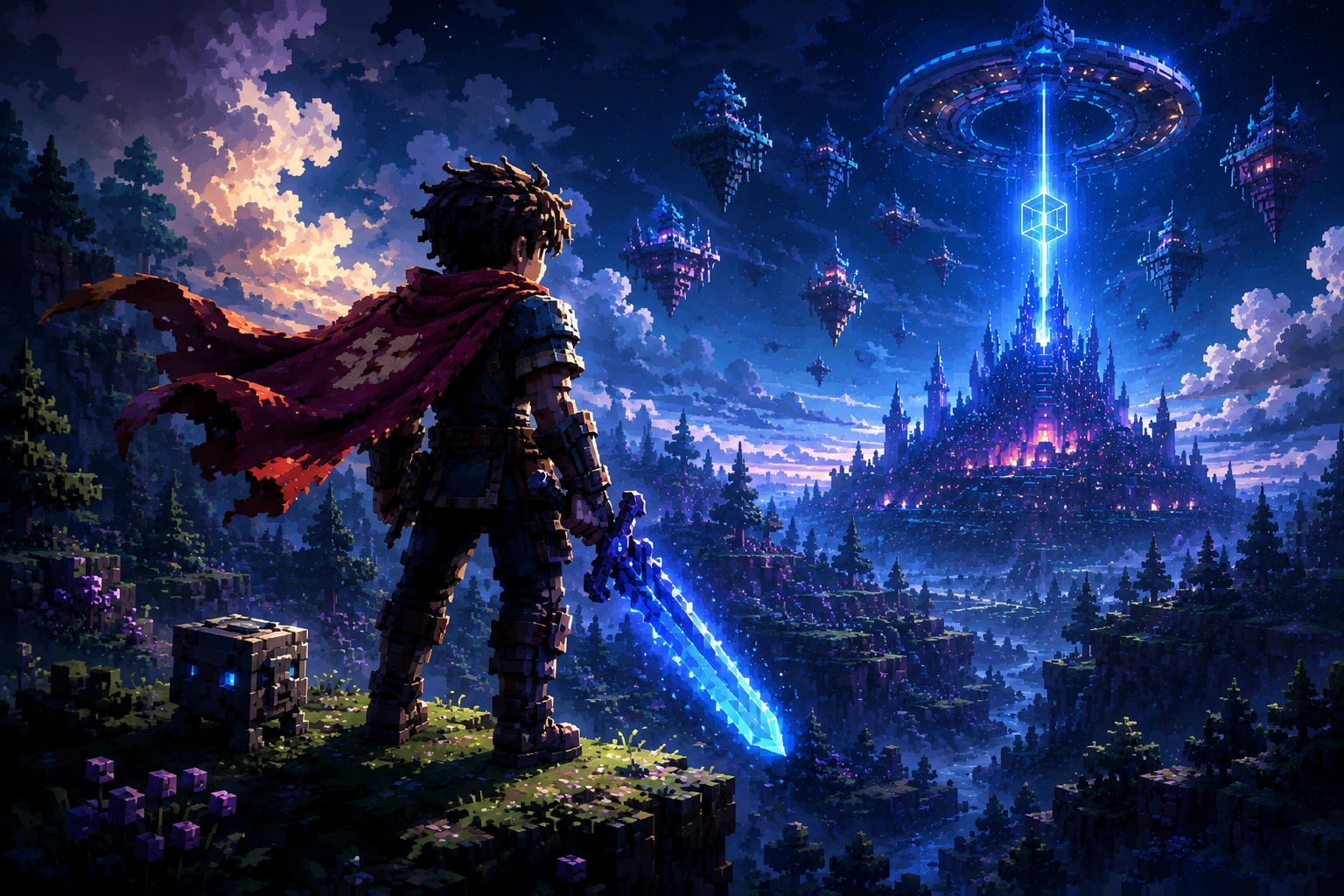
Gigaverse is a browser-based pixel RPG inspired by classic multiplayer role-playing games. Players explore a persistent fantasy world, complete dungeons, develop their characters, gather resources, and interact with other players within a shared economy. Since the game runs entirely in a web browser, new users can start playing without downloading or installing a client.
The project is developed by the GLHFers team, which includes professionals from both traditional game development and the Web3 industry. Instead of following a conventional Play-to-Earn model, the developers focus on the concept of "real stakes," where gameplay remains the primary source of value while blockchain assets enhance the overall experience.
Gigaverse is built on the Abstract blockchain, providing NFT support, low transaction costs, and compatibility with the Ethereum ecosystem. This infrastructure enables players to own and trade digital assets without interacting with multiple blockchain networks.
To begin playing, users create a Noob character, choose one of the available factions, and start exploring the world of Gigaverse. As players progress, they unlock additional gameplay systems, professions, competitive activities, and collectible items.
2. Gameplay and Core Mechanics
The gameplay focuses on world exploration, dungeon crawling, and character progression. During their adventures, players battle enemies, collect equipment, gather crafting materials, and unlock new areas of the game world. The progression system combines traditional RPG mechanics with roguelite elements, ensuring that every dungeon run offers different rewards and encounters.
In addition to combat, players can participate in fishing, crafting, Giglings pet breeding, Conquest PvP events, and Gigling Racing competitions. These activities are integrated into a unified progression system and a shared player-driven economy.
Most equipment and valuable resources are obtained through dungeon exploration. Higher difficulty levels provide greater chances of acquiring rare materials, weapons, armor, and collectible items, which can later be used for crafting or traded with other players.
The developers regularly introduce new gameplay modes, seasonal events, and additional mechanics without relying on a fixed long-term roadmap. Instead, Gigaverse evolves continuously based on community feedback and ongoing player activity.
3. Gigaverse Ecosystem, NFTs, and the In-Game Economy
The Gigaverse economy is built around true digital ownership. Many in-game items, collectibles, cosmetic assets, and certain character-related content exist as NFTs that players can freely own, trade, and transfer through the Gigamarket marketplace.
Rather than using a traditional auction system, the developers have created a player-driven marketplace where rare dungeon rewards can be sold directly to other users. This open economy allows players to determine the value of digital assets through supply and demand.
| Component | Purpose | Main Features |
|---|---|---|
| Abstract | Blockchain | NFT support, digital assets, and on-chain transactions |
| Noobs | Player characters | Character progression, equipment, and adventures |
| Giglings | Companion pets | Breeding, Gigling Racing, and collecting |
| Gigamarket | Marketplace | Buying and selling player-owned game assets |
Beyond equipment trading, players can acquire cosmetic items, exclusive skins, and collectible character assets. The game's economy is designed to support long-term circulation of digital items among community members instead of relying solely on developer-generated content.
Blockchain technology provides verifiable ownership of digital assets and enables players to retain their collectibles beyond individual gameplay sessions, making digital ownership one of the defining features of the Gigaverse ecosystem.
4. Key Features and Advantages of the GLHF Platform
One of Gigaverse's defining characteristics is its gameplay-first philosophy. Rather than focusing exclusively on cryptocurrency rewards, the developers aim to create a fully featured RPG where blockchain technology supports digital ownership and an open player economy.
The browser-based format removes the need for software installation, while the Abstract blockchain simplifies account creation and interaction with NFTs. This makes the project accessible to both traditional gamers and Web3 users.
Key features of the project:
- browser-based RPG with no client installation;
- built on the Abstract blockchain;
- NFT characters and digital equipment;
- Gigamarket player marketplace;
- dungeons with procedurally generated rewards;
- Gigling Racing and collectible companion pets;
- Conquest PvP events;
- fishing, crafting, and character progression systems.
Another advantage of the project is its continuous content expansion. Instead of following a rigid development roadmap, the team regularly releases new gameplay features, events, and mechanics while evolving the ecosystem according to community participation.
This development strategy helps maintain strong player engagement while supporting a dynamic economy driven by interactions between members of the community.
5. Gigaverse and the Evolution of Browser-Based Web3 RPGs
Gigaverse reflects one of the major trends in modern Web3 gaming, where blockchain technology becomes a natural extension of gameplay rather than its primary purpose. Players can enjoy the game as a traditional browser RPG while gradually exploring digital ownership and player-driven economies.
Using the Abstract blockchain allows the project to combine Ethereum compatibility with fast transactions and low network fees. As a result, NFT trading and marketplace activity can take place with minimal friction for players.
The evolution of Gigaverse also demonstrates the industry's transition from early Play-to-Earn models toward more sustainable gaming ecosystems where long-term value is created through gameplay, social interaction, and ownership of digital assets.
Gigaverse has become one of the most notable browser-based RPGs within the Abstract ecosystem. By combining classic role-playing mechanics, NFTs, an open player marketplace, and continuous content updates, the project represents a modern approach to the development of Web3 gaming.











