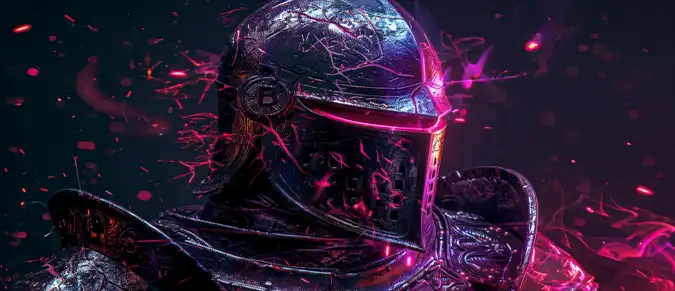

Gladiator Guild Manager is a management strategy game with auto-battle elements in which the player takes on the role of the owner and leader of a gladiator guild. Unlike typical PvP action games, the main focus here is on building a roster, developing infrastructure, and planning long-term progress. In its Web3 format, the project is enhanced with digital assets and a tokenized economy, where fighters and resources can be represented as NFTs.
The game emphasizes strategic thinking and financial management, combining classic management mechanics with blockchain capabilities. Below we examine the concept of the project, gameplay features, the structure of digital assets, the economic model, and future prospects. This approach makes it possible to view Gladiator Guild Manager not only as a blockchain-based product but also as a fully developed tactical strategy game.
Contents
- Concept and Positioning of Gladiator Guild Manager
- Gameplay and Guild Management System
- NFTs and Digital Assets of the Project
- Tokenomics and Economic Architecture of Gladiator Guild Manager
- Risks, Entry Strategy, and Future Prospects
1. Concept and Positioning of Gladiator Guild Manager
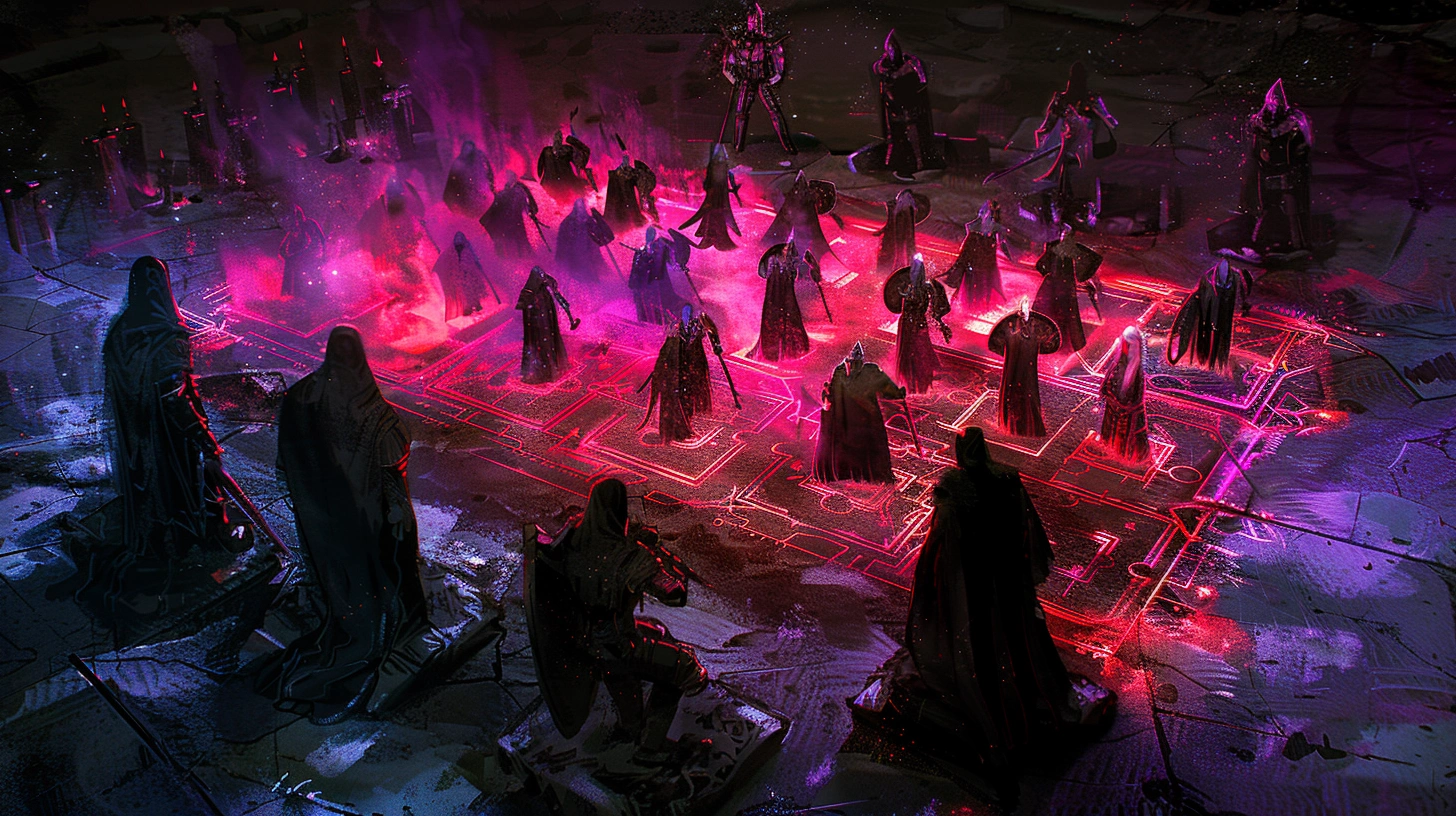
Gladiator Guild Manager combines classic strategic management elements with modern Web3 infrastructure. Instead of controlling a gladiator directly in real time, the player builds a roster, allocates resources, and creates the conditions needed for victory. This approach brings the game closer to the genre of economic simulators, where success depends on decisions made outside the arena.
The Web3 component is implemented carefully: blockchain does not replace gameplay but complements it. Digital ownership of assets allows players to verify the uniqueness of characters and create a secondary market. At the same time, the core mechanics remain accessible even to users without prior experience interacting with crypto infrastructure.
The project targets players who prefer thoughtful strategy and gradual development. Success is achieved not through quick actions but through analyzing balance, optimizing costs, and preparing effectively for tournaments. As the guild grows, the mechanics gradually become more complex, creating a sense of progression and increasing engagement.
2. Gameplay and Guild Management System
The gameplay revolves around managing a guild of gladiators. Each fighter has a class, attributes, and unique characteristics. The player forms a team, develops character skills, and decides which tournaments to participate in. Economics also plays a major role, since maintaining fighters, upgrading buildings, and competing in events all require resources.
Strategic depth emerges from selecting synergies and adapting to changing conditions. Poor resource allocation may reduce the effectiveness of the entire roster, even if individual characters are highly rare. Effective management requires continuous analysis of results and adjustments to tactics.
Main management elements:
- Recruitment and team composition — analyzing roles and compatibility of fighters.
- Skill development — upgrading attributes and specializations.
- Financial planning — controlling guild income and expenses.
- Tournament participation — earning rewards and improving reputation.
- Infrastructure upgrades — improving training facilities and the arena.
Thus, the gameplay focuses on long-term management where every decision affects overall progress. Players must consider not only immediate results but also long-term development strategies. Gradual infrastructure improvements allow the guild to increase its potential without sudden spikes in spending.
3. NFTs and Digital Assets of the Project
In the Web3 version of Gladiator Guild Manager, key characters and rare items can be represented as NFTs. Each token has unique parameters and ownership history, increasing its perceived value. This system allows players to verify authenticity and scarcity of digital assets.
NFT gladiators may differ in rarity, specialization, and development potential. However, owning a rare token does not guarantee victory. Strategic management remains the decisive factor, helping maintain balance between the collectible aspect and the strategic gameplay.
Additional digital assets may include special tournament passes or unique upgrades. Expanding the NFT ecosystem creates additional interaction scenarios, but it also requires careful balancing. Developers aim to avoid excessive advantages for specific asset holders in order to maintain fair competition.
4. Tokenomics and Economic Architecture of Gladiator Guild Manager
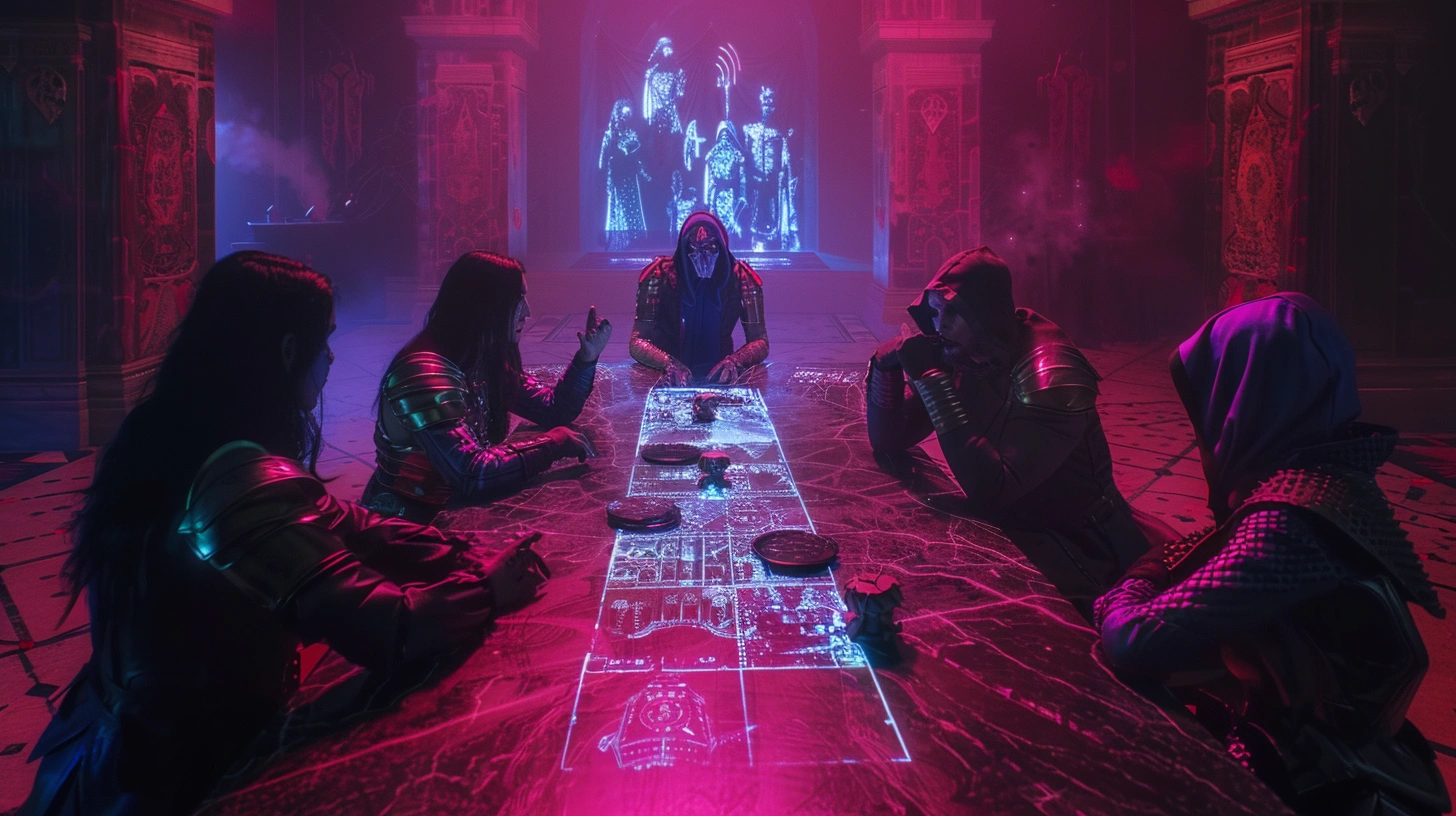
The economic model of Gladiator Guild Manager is built on the separation of governance and utility functions. This approach distributes pressure across different types of assets and helps reduce inflation risks. In-game operations require the use of a utility token, while strategic decisions are linked to governance mechanisms.
Such a structure creates a sustainable system where player activity directly affects internal circulation. Some tokens may be burned during upgrades or tournament participation, which helps maintain a balanced supply. The economy is designed around active usage rather than passive holding of assets.
| Asset | Type | Function | Demand Source |
|---|---|---|---|
| GG Token | ERC-20 | Governance and voting | Staking and participation in ecosystem development |
| Utility Token | ERC-20 | Upgrades and tournament participation | Daily gameplay activity |
| NFT Gladiators | NFT | Playable characters | Competitive gameplay modes |
| In-game Currency | Off-chain | Basic guild expenses | Regular gameplay operations |
The stability of the economy depends on the balance between emission and consumption. The more actively players use tokens in gameplay scenarios, the more sustainable the internal system becomes. The link between strategic management and the economy makes the model more complex and predictable. Regular content updates also stimulate continued asset usage.
5. Risks, Entry Strategy, and Future Prospects
Gladiator Guild Manager operates within a volatile digital asset market, where token price fluctuations may influence player interest. However, long-term sustainability depends primarily on the quality of gameplay and the depth of strategic mechanics rather than short-term market dynamics.
New players are advised to begin by studying the basic guild management systems without making large investments. Gradual team development helps to better understand the economic structure and reduce potential risks. Analyzing tournaments, opponents, and the current meta can help build a more efficient progression strategy.
The future of Gladiator Guild Manager is closely tied to expanding its tournament ecosystem and introducing additional game modes. If the balance between gameplay and economic systems is maintained, the project can establish a stable position within the Web3 strategy game sector. Community support, transparent updates, and consistent content development will play a key role in strengthening the ecosystem.











