
GLHF Studio is a crypto-native gaming studio developing Web3 projects around the GLHFers community and the Gigaverse role-playing game. Unlike the traditional GameFi model, the team focuses not on a standalone token with promised returns, but on gameplay loops, paid access, NFT assets, and an internal marketplace. GLHF's main product is Gigaverse, an RPG built on Abstract where blockchain technology is used for ownership and trading of gaming assets. In 2025, the studio raised $2.3 million to further develop the game, and by 2026 it continued expanding its economy, NFT systems, and in-game infrastructure.
Contents
- GLHF Studio: Development of a Crypto-Native Gaming Studio
- Gigaverse: Gameplay and Web3 RPG Structure
- GLHFers, ROMs, and the NFT Economy
- Abstract, Gigamarket, and Blockchain Infrastructure
- GLHF Studio Funding, Prospects, and Risks
1. GLHF Studio: Development of a Crypto-Native Gaming Studio
GLHF emerged as a team of developers and crypto industry participants focused on creating games with native blockchain mechanics. Public databases list the project as founded in 2023. One of its co-founders and public representatives is Dith, who previously worked with Pirate Nation and Proof of Play.
An early component of the ecosystem was the GLHFers collection launched on Ethereum. It consists of pixel-style PFP NFTs around which a community of players and developers began to form. The project initially emphasized the absence of a traditional roadmap and gradually connected the collection to a broader gaming ecosystem.
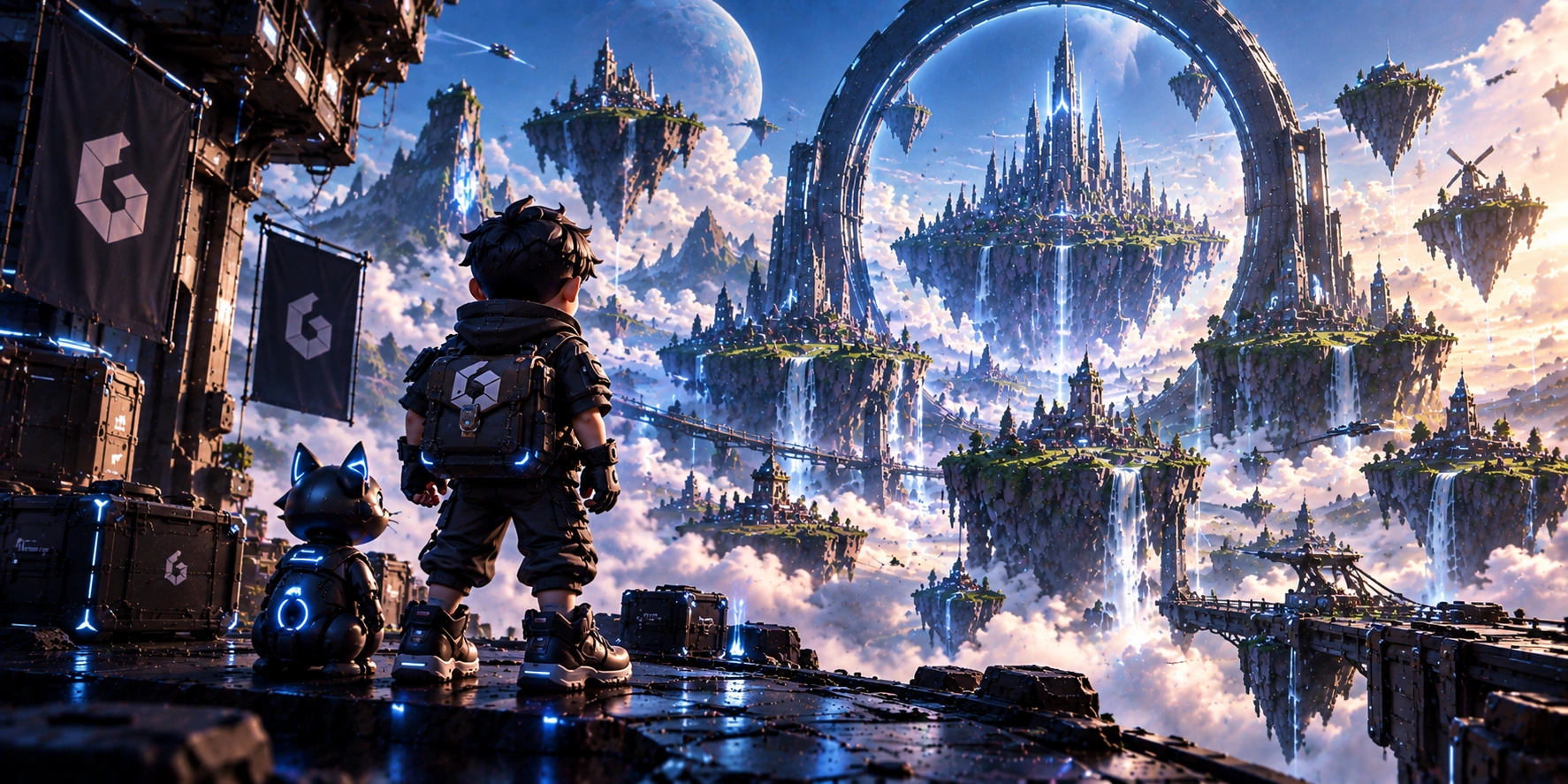
The next stage was the development of Gigaverse. Instead of creating its own infrastructure blockchain, GLHF focused on an application-level product: an RPG using the existing Abstract network. GLHF Studio should therefore not be considered an L1 or L2 project; blockchain serves as the technological foundation for gaming assets, transactions, and economic operations.
In 2025, Gigaverse became the studio's primary focus. The game combined short dungeon sessions, character progression, resource gathering, crafting, NFTs, and trading. This approach reflects a broader shift in Web3 gaming, where blockchain mechanics are integrated into regular gameplay rather than existing exclusively as an external system of tokens and NFTs.
2. Gigaverse: Gameplay and Web3 RPG Structure
Gigaverse is a crypto-native RPG designed around relatively short gameplay sessions. One of its main modes is Dungetron, where players explore dungeons and participate in consecutive battles. The combat system is built around choosing between Sword, Shield, and Magic and uses a straightforward model in which different actions have advantages over others.
Gameplay gradually expanded beyond combat. The ecosystem includes resource gathering, crafting, fishing, item progression, and Giglings pets. Collected resources can be used for further progression or participate in the internal trading economy. As a result, the economy is structured around recurring gameplay activities rather than relying solely on the initial issuance of NFTs.
Main elements of Gigaverse include:
- Dungetron and other combat activities;
- the Sword, Shield, and Magic combat system;
- resource gathering and item crafting;
- fishing and additional gameplay activities;
- Giglings — collectible pets with gameplay functionality;
- ROMs with different characteristics and tiers;
- an in-game marketplace for trading assets;
- seasonal events and reward systems.
Access to the game has historically differed from the common free-to-play model. Creating a full account required an entry fee of approximately 0.005 ETH, or around $20 when described by the developers, or a corresponding Noob Pass. The studio viewed this mechanism as a way to attract users genuinely interested in playing the game rather than those focused only on obtaining potential tokens for free.
By September 2025, GLHF reported more than 75,000 paid Gigaverse accounts. According to data published at the time, the project had generated approximately $4.5 million in revenue, while peer-to-peer trading volume within the associated economy exceeded $9 million. These figures relate to a specific stage of the game's development and should not be interpreted as the current value of its assets or as guaranteed future revenue.
3. GLHFers, ROMs, and the NFT Economy
NFTs perform several functions within the GLHF model and are distributed across different collections. The original GLHFers exist on Ethereum and are associated with the studio's community. Gigaverse ROMs, in contrast, were issued on Abstract and are directly integrated into the Gigaverse economy. Giglings pets and other gaming assets are also represented by separate NFTs.
ROMs became one of the key Gigaverse collections. The collection consists of 10,000 NFTs with different characteristics, including faction, memory, and tier. ROMs are used within the game economy and can provide resources and other benefits depending on their attributes and status.
| Asset | Network | Format | Primary Role |
|---|---|---|---|
| GLHFers | Ethereum | ERC-721 NFT | GLHF community and the studio's early ecosystem |
| Gigaverse ROMs | Abstract | Gaming NFT | Gameplay utility, resources, and economic progression |
| Giglings | Abstract | Pet NFT | Pets, progression, and additional gameplay mechanics |
| Game Items | Abstract | Gaming assets | Equipment, materials, consumable items, and trading |
| Username | Abstract | NFT identifier | Game account name and identification |
The connection between the early collection and the new game was used to bring the existing community into Gigaverse. GLHFers holders received related opportunities within the new ecosystem, including the distribution of ROMs. This allowed the studio to use its established community as the initial user base for the game.
However, gameplay utility does not guarantee NFT liquidity. The prices of GLHFers, ROMs, and other assets are determined by the secondary market and depend on demand, player activity, and broader crypto market conditions. Gameplay utility should therefore be distinguished from the investment value of a collection.
4. Abstract, Gigamarket, and Blockchain Infrastructure
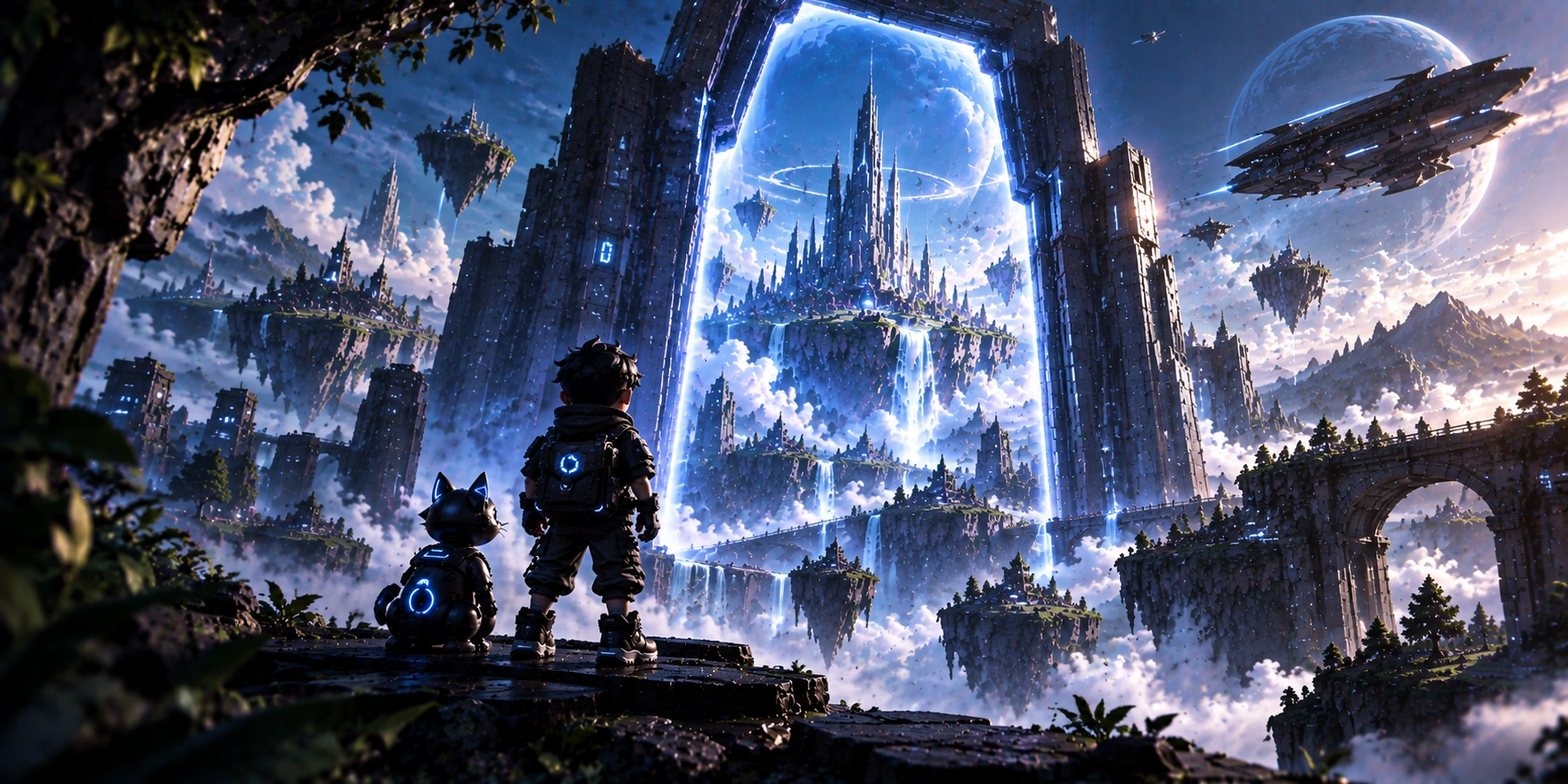
Gigaverse operates on Abstract, an Ethereum Layer 2 network focused on consumer-oriented crypto applications. Using an existing L2 allows GLHF to utilize blockchain technology for NFTs and economic transactions without maintaining its own network and validator set. Ethereum nevertheless remains an important part of the project's history because the original GLHFers collection was launched there.
One of the central elements of the economy is Gigamarket, Gigaverse's native marketplace. Users can buy and sell gaming items through the platform, making trading activity part of the gameplay loop. According to figures published when the investment round was announced in September 2025, approximately 450,000 transactions involving more than 6 million items had taken place through the in-game marketplace.
Gigamarket's functionality continued to expand in 2026. In addition to regular gaming items, the marketplace added support for other asset categories, including ROMs and Giglings. This reduces the need for users to constantly switch to external NFT marketplaces and allows trading to remain directly connected to the game's interface and economy.
Gigaverse also uses a model in which some assets can exist directly within the gaming system and interact with blockchain infrastructure when necessary. This approach helps separate high-frequency gameplay activities from transactions that require verifiable digital ownership. Users still need to consider transaction fees, wallet security, smart contract permissions, and whether they are interacting with the correct network.
Another area of development involves autonomous software agents. GLHF has described Gigaverse as a game whose architecture is designed to support interaction with agents and automated participants. This direction expands the potential use cases of the gaming economy but also raises questions about maintaining balance between regular players, automation, and the rules governing software agents.
5. GLHF Studio Funding, Prospects, and Risks
On September 3, 2025, GLHF announced a $2.3 million funding round. The round was led by 1confirmation, while participants included Sky Mavis co-founder Jeff Zirlin, Pudgy Penguins CEO Luca Netz, representatives of 6529 Capital, and other crypto industry participants. The funding was primarily intended to support further development of Gigaverse and the release of new gameplay modes.
One of the announced areas of expansion was a larger open-world component. For GLHF, this represents a move from relatively compact dungeon-based gameplay loops toward a broader RPG system. Development plans should, however, be distinguished from features that are already live: the announcement of a new mode does not mean that all planned mechanics are currently available to players.
A key characteristic of the model is that GLHF already operates a functional gaming product with its own economy rather than relying solely on an NFT collection or a future roadmap. At the same time, this creates more complex balancing requirements. If the supply of resources and items grows faster than consumption, the game economy may experience inflation. Maintaining demand requires crafting, upgrades, consumable assets, new gameplay loops, and other mechanisms that remove resources from circulation.
Standard Web3 gaming risks also remain relevant, including NFT price volatility, limited liquidity for individual assets, smart contract vulnerabilities, and dependence on Abstract and broader cryptocurrency infrastructure. Paid access may reduce the number of casual users and multi-account activity, but it also creates an additional barrier for new players compared with free-to-play games.
GLHF Studio is therefore a crypto-native gaming studio whose main product is built around Gigaverse, NFTs, and an economy on Abstract. The project has evolved from the Ethereum-based GLHFers community into a Web3 RPG with paid access, an in-game marketplace, ROMs, Giglings, and a system of tradable resources. The studio's future development will largely depend on Gigaverse's ability to retain players, expand its gaming content, and maintain a sustainable balance between entertainment, digital ownership, and economic activity.