
Goblin's Gambit is one of the seasonal experiences within The Beacon ecosystem, developed by Treasure. The event combines roguelite gameplay, time-limited challenges, character progression, and Web3 mechanics associated with digital assets across the ecosystem. Unlike conventional seasonal updates, Goblin's Gambit emphasizes repeatable runs, competitive activities, and in-game progression that may connect with digital items and ecosystem rewards. The project continues The Beacon's blockchain-native approach, where blockchain technology is used primarily for asset ownership while the core gameplay remains accessible to a broader gaming audience.
Contents
- Goblin's Gambit in The Beacon ecosystem
- How Goblin's Gambit gameplay works
- Goblin's Gambit compared with other Web3 roguelite games
- NFTs, digital items, and character progression
- Risks and prospects of Goblin's Gambit as a Web3 game
1. Goblin's Gambit in The Beacon Ecosystem
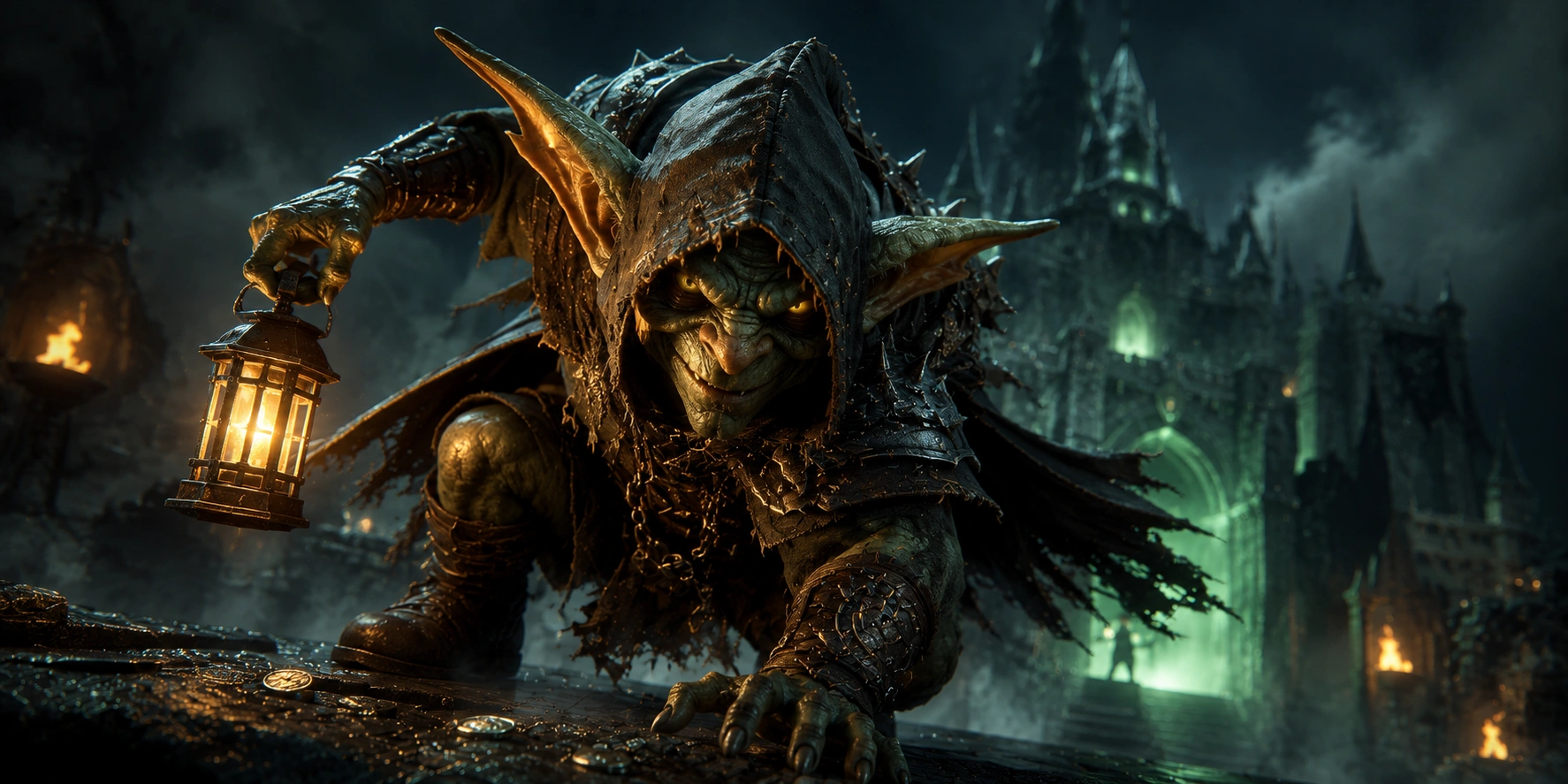
Goblin's Gambit is a seasonal game mode within The Beacon, a multiplayer action roguelite RPG developed within the Treasure ecosystem. The project combines dungeon-crawler mechanics, procedurally generated levels, and cooperative gameplay while maintaining its connection to Web3 infrastructure through digital items and recorded player achievements.
Each season in The Beacon introduces new gameplay mechanics, events, and reward systems. Goblin's Gambit focuses on encounters with goblins, increasingly difficult challenges, and the acquisition of unique in-game resources that contribute to further account progression.
Players repeatedly explore randomly generated dungeons, improve their equipment, and experiment with different combinations of abilities. Procedural generation means that individual runs can differ in their selection of rooms, enemies, and available upgrades.
Blockchain remains an infrastructure layer rather than the foundation of every gameplay action. Most gameplay does not require constant interaction with the network, while ownership of selected digital assets can be managed through Web3 tools.
2. How Goblin's Gambit Gameplay Works
The season is built around short roguelite runs. After completing a run, players can obtain resources that contribute to character development, unlock additional opportunities, and improve their effectiveness in future expeditions.
During a run, users encounter different enemy types, elite opponents, random events, and temporary upgrades. Choosing the right improvements can significantly affect the outcome of a run, particularly when different bonuses complement one another.
- Procedurally generated dungeons;
- Cooperative and solo gameplay modes;
- Random upgrades during individual runs;
- Gradual character progression;
- Seasonal missions and challenges;
- Rare equipment and items;
- Repeatable roguelite gameplay loops;
- Integration with digital assets across the ecosystem.
One of The Beacon's defining features is the replayability of its core gameplay. Procedural level generation, randomized abilities, and changing seasonal conditions increase the variety between individual runs.
This approach places greater emphasis on long-term progression rather than a one-time campaign, bringing the structure closer to modern live-service games in which new content and recurring activities support continued engagement.
3. Goblin's Gambit Compared with Other Web3 Roguelite Games
The Web3 gaming sector has gradually shifted away from simple Play-to-Earn models toward more complete gaming products in which blockchain serves a supporting function. The Beacon follows this approach by placing gameplay at the center of the experience rather than making token rewards the primary reason to participate.
Goblin's Gambit differs from traditional NFT-focused games because its seasonal mechanics revolve around dungeon runs and character progression rather than digital asset trading alone. NFTs and other Web3 components are instead used to support ownership of selected assets and participation in the wider Treasure ecosystem.
| Project | Genre | Core Mechanic | Role of Blockchain |
|---|---|---|---|
| Goblin's Gambit | Action Roguelite RPG | Seasonal dungeon runs | NFTs and digital asset ownership |
| Big Time | Action RPG | Cooperative adventures | NFT items |
| Fableborne | Action Strategy | PvP and base progression | Collectible digital assets |
| Parallel | TCG | Card battles | NFT cards |
| Champions Tactics | Turn-Based RPG | Tactical battles | Digital collectible characters |
This model reflects a broader trend in blockchain gaming in which the quality of gameplay takes priority over the underlying technology used to manage digital assets.
Goblin's Gambit can therefore be viewed as part of the industry's transition toward a gameplay-first model, where Web3 features complement the game instead of replacing conventional gameplay systems.
4. NFTs, Digital Items, and Character Progression
The Beacon ecosystem uses NFTs primarily to represent ownership of selected in-game items and collectibles. These assets do not replace the core gameplay loop but can expand the ways users interact with digital property across the ecosystem.
During the season, players can obtain different resources, equipment, and progression items. Some exist exclusively within the game's internal systems, while selected digital assets can use blockchain infrastructure to provide verifiable ownership.
Character development revolves around gradually improving equipment, experimenting with builds, and accumulating resources between runs. As a result, progression extends beyond the outcome of an individual dungeon attempt and encourages players to refine their strategies over time.
For Web3 games, this model reduces dependence on token-based incentives compared with early Play-to-Earn designs. The gameplay loop can function independently of the market value of digital assets, while blockchain ownership remains an additional component of the broader ecosystem.
5. Risks and Prospects of Goblin's Gambit as a Web3 Game
One of the main challenges for Goblin's Gambit is maintaining player interest after an individual season ends. Roguelite games depend heavily on regular content updates, gameplay balancing, enemy variety, and changing events. Without continued development, repeatable gameplay loops can become less engaging over time.
Another factor is the dependence of selected ecosystem components on Web3 infrastructure. The security of digital assets, stability of network integrations, and continued support for NFTs can affect the user experience, even though most gameplay does not require direct blockchain transactions.
The prospects of Goblin's Gambit are closely connected to the broader development strategy of The Beacon and the Treasure ecosystem. Continued releases of new seasons, game modes, items, and cooperative activities could support long-term engagement without making speculative digital asset value the primary driver of participation.
Overall, Goblin's Gambit represents a modern approach to blockchain gaming in which Web3 technology primarily supports digital ownership while gameplay remains the central component of the product. Its long-term development will depend on the quality of seasonal updates, community activity, and the project's ability to maintain a balance between Web3 infrastructure and a complete roguelite RPG experience.











