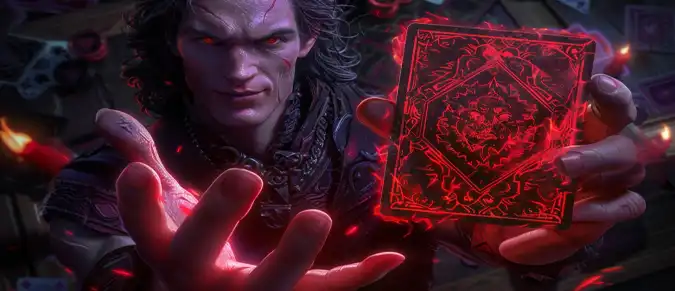

Gods Unchained is a collectible blockchain card game that brings the classic competitive card game model into the Web3 ecosystem. The project combines deep strategic gameplay with true ownership of digital assets represented as NFTs. Unlike traditional card games, players do not simply collect decks here — they become full owners of their cards.
The game is developed by Immutable and is focused on long-term growth, fair competition, and a sustainable economy. Gods Unchained is often regarded as a benchmark example of how blockchain technology can enhance a familiar genre without undermining its core principles.
Contents
- General concept and philosophy of Gods Unchained
- Gameplay and card mechanics
- NFT cards and blockchain infrastructure
- Economy and the GODS token
- Strategies, community, and project outlook
1. General Concept and Philosophy of Gods Unchained
The core idea of Gods Unchained is based on the “play and own” principle, where players truly own the results of their progress. High-quality cards can be forged into NFTs, allowing users to freely manage them outside the game. This fundamentally changes the perception of collecting and the value of time spent playing.
The project emphasizes fair competition and balance. Developers regularly update cards, adjust mechanics, and closely monitor the meta. This approach helps maintain interest among both new players and veterans. Gods Unchained also aims to lower the entry barrier to Web3. Most of the gameplay is accessible without initial investment, while blockchain interactions are implemented in a user-friendly and unobtrusive way.
The project’s philosophy is focused on building a sustainable gaming community. Developers actively engage with players, collect feedback, and incorporate it into updates. This strengthens trust and creates a sense of shared ecosystem development. As a result, the game is perceived not as a closed product, but as a living platform.
2. Gameplay and Card Mechanics
Gods Unchained gameplay is based on turn-based PvP battles between two players. Each match begins with choosing a god, which determines available abilities and the strategic direction of the deck. Players then use pre-built decks of 30 cards. During a match, effective resource management, turn planning, and anticipating the opponent’s actions are crucial. Victory is achieved not only through powerful cards, but through tactical decisions and a deep understanding of the mechanics.
Key gameplay elements:
- Choosing one of several gods with unique abilities.
- Building and optimizing decks for different strategies.
- Turn-based PvP matches with mana management.
- Ranked modes and seasonal events.
- Weekly tournaments and rewards.
Additional depth is provided by a variety of deck archetypes. Players can choose aggressive, control, or hybrid playstyles. This makes each battle unique and reduces repetition. Over time, understanding the meta becomes a key factor for success.
Gameplay and card mechanics form the foundation of Gods Unchained’s strategic depth. Unique card effects, interactions between god abilities, and the mana curve system require flexibility and adaptability from players. Thanks to constant updates and balance adjustments, the gameplay remains dynamic and relevant.
3. NFT Cards and Blockchain Infrastructure
NFT cards are a core element of the Gods Unchained ecosystem. Players can “forge” cards, turning them into NFTs stored on the blockchain and owned by the user. This enables trading, selling, and storing assets outside the game. The project uses the Ethereum network in combination with the Immutable X Layer 2 solution. This infrastructure provides high transaction speeds and zero gas fees, which is especially important for a card game with a large number of operations.
| Card Type | Rarity | Role in the Ecosystem |
|---|---|---|
| Core | Common | Base gameplay set |
| Meteorite | NFT version | Trading and ownership |
| Shadow / Gold | Enhanced | Collectible and market value |
| Diamond | Maximum | Prestige and rarity |
The variety of rarity levels creates a full-fledged market and turns NFT cards into not only gameplay elements, but also investment assets. Asset prices may change depending on balance updates and strategy popularity. This creates a dynamic economic environment. For players, NFTs become a way to lock in the value of their progress.
As a result, the blockchain infrastructure enhances the sense of true digital ownership and increases player engagement. NFT cards go beyond traditional in-game items, becoming part of a decentralized economy. This makes Gods Unchained appealing not only to gamers, but also to collectors and crypto enthusiasts.
4. Economy and the GODS Token
The economic model of Gods Unchained is built around the GODS token. It is used for crafting NFT cards, participating in project governance, and obtaining various in-game benefits. The token connects gameplay with the Web3 economy. Players earn GODS by participating in matches, events, and special activities. Reward size directly depends on engagement and performance, encouraging skill development rather than passive play.
The token’s multifunctionality supports sustainable demand and reduces inflationary risks. The project’s economy is closely tied to the card market, where meta shifts directly affect asset values. Additionally, GODS is used as a voting tool on key development decisions. This allows the community to participate in shaping future updates, reinforcing decentralization and player involvement.
5. Strategies, Community, and Project Outlook
Success in Gods Unchained requires a systematic approach. Players need to track balance updates, analyze popular decks, and adapt to meta changes. This makes the learning process continuous and dynamic. New players are advised to start with free cards and gradually explore the mechanics. This path reduces risks and helps better understand the game’s economy. Experienced players can focus on tournaments and NFT trading.
The community plays a key role in the project’s development. Active players share strategies, create analytical content, and participate in update discussions. This builds a rich informational environment around the game. Gods Unchained is one of the most mature and sustainable projects in the blockchain gaming space. It successfully combines deep card gameplay, NFT mechanics, and a well-designed economy. Thanks to an active community and regular updates, the project remains a promising option for long-term participation in GameFi.











