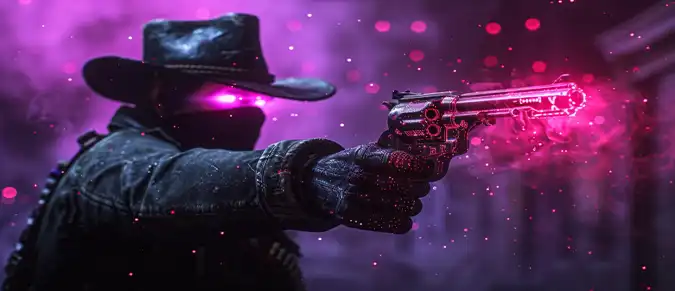

GRIT is a multiplayer battle royale game set in a Wild West aesthetic that aims to combine a classic competitive shooter with the concept of digital ownership. The core idea is to give players not only the ability to “earn loot,” but also to own part of the content as blockchain-based assets, including hero characters. At the same time, the developers emphasize that the project should remain accessible to those who come for pure gameplay rather than crypto mechanics. Below is a clear breakdown of what GRIT is about: how the gameplay loop works, where Web3 comes into play, and how the in-game economy is structured.
Contents
- What GRIT Is About: Genre, Setting, and Positioning
- Gameplay Loop and Core Mechanics
- The Web3 Layer: NFTs, Ownership, and Security
- Tokens and Assets: How the GRIT Economy Works
- Target Audience and Growth Potential
1. What GRIT Is About: Genre, Setting, and Positioning
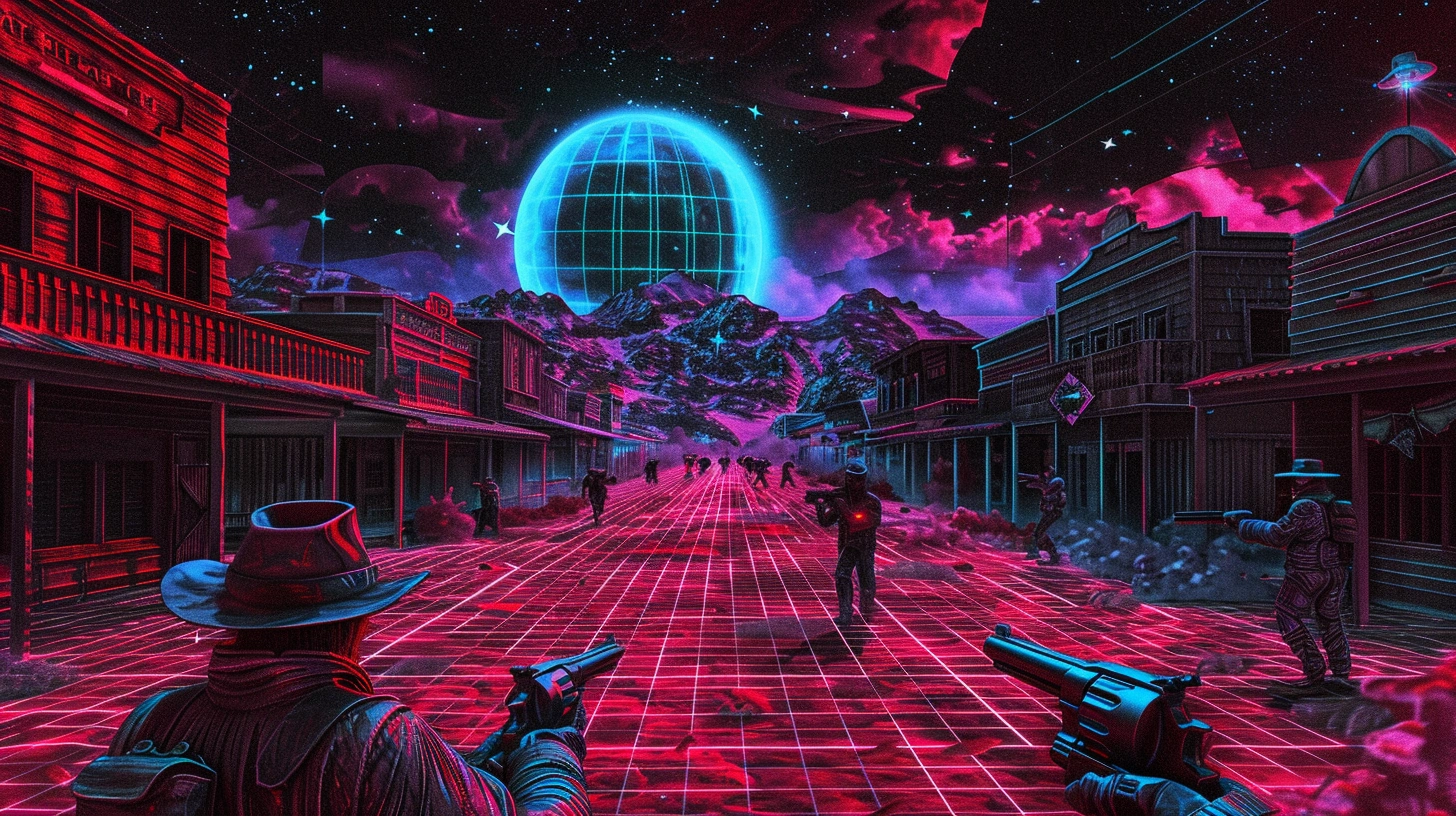
GRIT reimagines the battle royale formula within a frontier setting: instead of modern military gear, players use revolvers, rifles, shotguns, explosives, and experience a more grounded pace of combat. This setting is not just stylistic — it shapes decision-making. Distance management, cover usage, and spatial control feel different compared to futuristic shooters. The game is positioned as a free-to-play title with an additional digital ownership layer that does not disrupt the core accessibility of the genre.
There is also a strong focus on “risk-driven gameplay.” Matches are structured so players constantly choose between safety and reward. The visual identity is reinforced by environmental details such as dusty towns, train stations, and open plains, along with classic Western elements like sudden duels, ambushes, horseback chases, and pressure from the shrinking zone.
2. Gameplay Loop and Core Mechanics
The heart of GRIT lies in short, high-intensity survival matches where victory goes to the player who reads the situation best and remains composed under pressure. A key distinction is mobility: horses provide movement speed, change the “geometry” of encounters, and introduce additional tactical layers — when to accelerate, when to flank, and when to risk positioning for advantage. Another defining feature is pre-match loadout selection, where players aim to build effective weapon combinations suited to their playstyle rather than relying purely on random loot.
What most often determines the outcome of a round:
- Positioning — controlling elevation, cover, and sightlines matters more than reckless aggression.
- Pacing — balancing looting, engagements, and relocation reduces the risk of being trapped by the zone.
- Weapon synergy — combining long-range and close-range options prevents dependence on a single scenario.
- Mobility — horses allow rapid angle changes or disengagement from unfavorable fights.
- Situational discipline — managing sound, timing, and resources (ammo, healing) often outweighs raw reaction speed.
Developers aim to maintain a balance between competitive fairness and the additional features provided by heroes or cosmetic elements. As a result, shooting skill and tactical decision-making remain the primary factors of success. Economic components are secondary to match quality — a critical factor in building player trust.
3. The Web3 Layer: NFTs, Ownership, and Security
In GRIT, Web3 integration appears through digital assets that can belong to players not just “inside an account,” but as independent blockchain-based objects. These typically include hero characters and certain items issued as NFTs. The logic is straightforward: if an asset resides in a player’s wallet, they have greater control over ownership and can manage it outside the game interface — such as storing, transferring, or selling it on compatible platforms. In theory, this reduces reliance on a single centralized operator.
However, digital ownership is not a “guaranteed income model,” but rather a method of recording rights and simplifying exchange. In mature Web3 game design, balance remains essential: assets should not turn matches into competitions between wallets. GRIT attempts to mitigate this risk by keeping core gameplay accessible while using NFTs primarily for flexibility and personalization.
From a security perspective, practical considerations matter: secure storage of seed phrases, reviewing wallet permissions, and understanding that blockchain transactions are irreversible. While in-game interfaces may simplify asset management, responsibility for wallet security ultimately lies with the owner. For this reason, Web3 projects often emphasize onboarding guidance and user education to reduce entry barriers.
4. Tokens and Assets: How the GRIT Economy Works
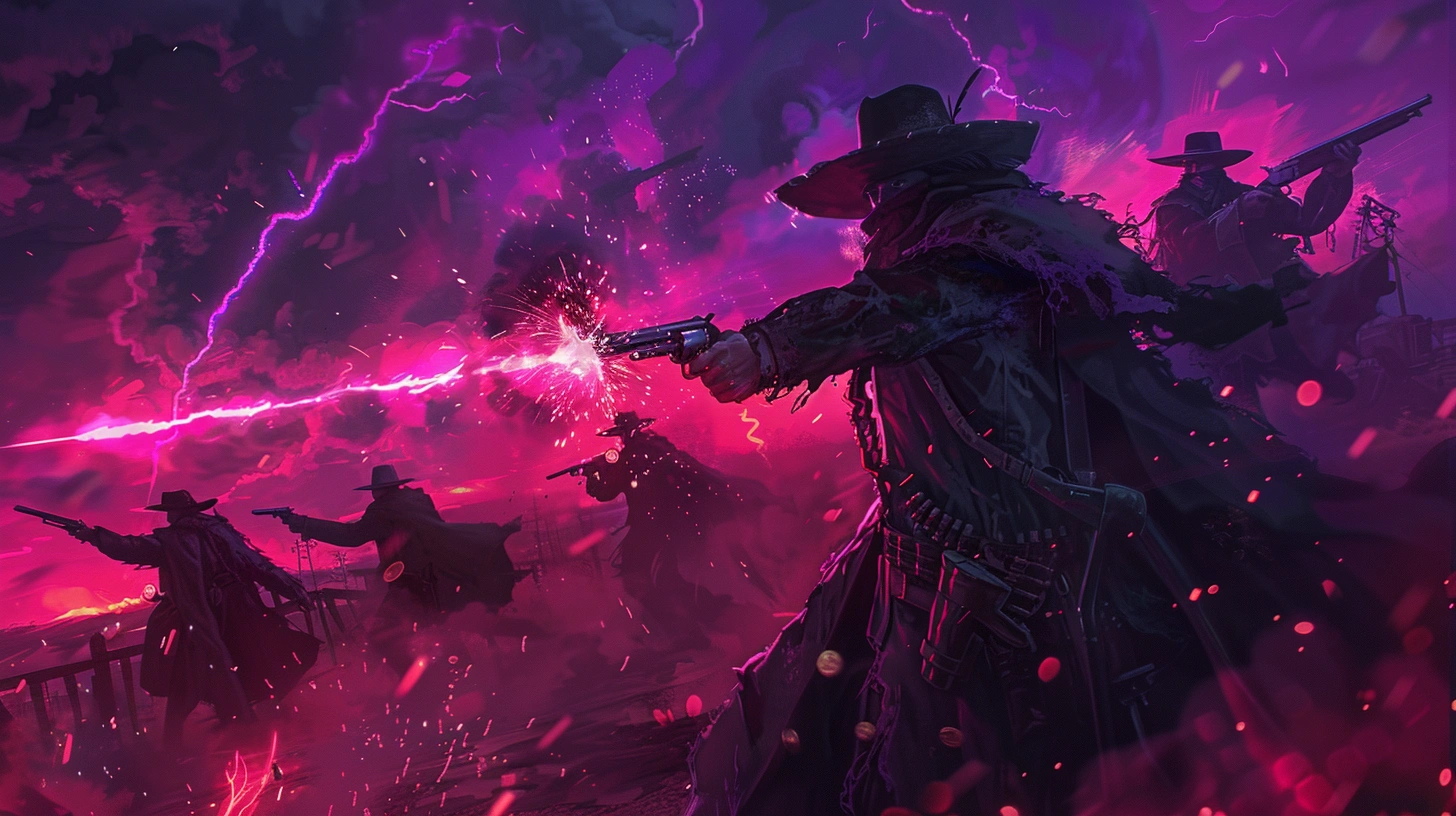
GRIT’s economic structure is connected to the broader Gala ecosystem, where the GALA token serves as a core medium of exchange. Practically, this may involve purchasing digital items, participating in ecosystem-level features, or interacting with other products within the platform. It is important to distinguish between “token as currency” and “NFT as ownership object”: the former facilitates transactions, while the latter records uniqueness and property rights.
For long-term sustainability, asset value should be based on in-game utility rather than purely speculative expectations. Strong economic design typically includes limited collections, clear reward structures, and transparent resource sinks. Below is a simplified overview of key tokens and assets associated with the GRIT ecosystem.
| Token / Asset | Type | Purpose | Where Value Appears |
|---|---|---|---|
| GALA | Ecosystem utility token | Payments and interaction across Gala products, purchasing digital items | Utility across games/services and internal circulation |
| GRIT Hero (Gunslinger) NFT | NFT (character) | Ownership of a unique hero, expanded customization slots and features | Uniqueness, collectibility, in-game usability |
| Cosmetic Items (NFT/Digital) | Customization assets | Visual personalization and progression | Rarity, community demand, seasonal drops |
| Activity Rewards | In-game rewards | Encouraging participation in matches, seasons, and events | Progression systems, tournaments, limited-time events |
In practice, the economy functions through a combination of regular content updates, clear acquisition rules, and meaningful asset sinks. When incentives are properly designed, players return to matches not because of promises of profit, but because the gameplay remains engaging. For a competitive shooter, retention is closely tied to match quality and update cadence.
5. Target Audience and Growth Potential
GRIT appeals to two primary audiences: fans of competitive shooters seeking a distinctive aesthetic and fresh mechanics, and Web3 users who value digital asset ownership. However, long-term success depends on retaining mainstream players. If the match experience is weak, economic features alone will not sustain engagement. Key growth areas therefore include stable servers, anti-cheat systems, regular seasonal updates, balanced meta design, and smooth onboarding for newcomers.
From a market perspective, GRIT sits at the intersection of two trends: battle royale as a competitive format and Web3 as a rethinking of content ownership. This intersection creates opportunity but also introduces risks — particularly regulatory challenges and sensitivity to the broader crypto industry’s reputation. If developers maintain a focus on gameplay quality while carefully integrating economic mechanics, GRIT could establish a stable position among accessible Web3 games.
An additional growth vector lies in deeper integration within the Gala ecosystem and expanded cross-product use of tokens and items. Ultimately, the decisive factor remains simple: the clearer the value for players “here and now,” the stronger the community. In that sense, GRIT benefits from placing the shooter experience at the center rather than turning the game into an NFT storefront.











