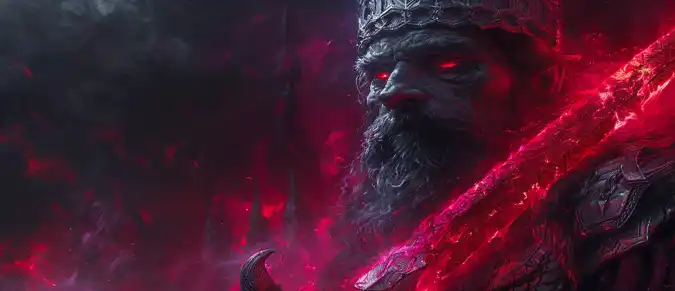

Ember Sword is an online role-playing game (MMORPG) that combines a classic combat system with Web3-based asset ownership elements. The project is set in the world of Thanabus, where players explore diverse regions, engage in PvP battles, craft items, and manage digital assets such as NFT land and cosmetic items. The game emphasizes deep gameplay mechanics, while blockchain components serve as tools to expand economic and social interaction. This approach allows Ember Sword to merge the traditional MMORPG experience with new models of digital ownership without overwhelming players with technical complexity.
Contents
- The World, Concept, and Social Systems of Ember Sword
- Gameplay, Combat, and Character Progression
- The Web3 Layer, NFTs, and Digital Ownership
- Tokens, Economy, and In-Game Assets
- Project Outlook and Market Positioning
1. The World, Concept, and Social Systems of Ember Sword
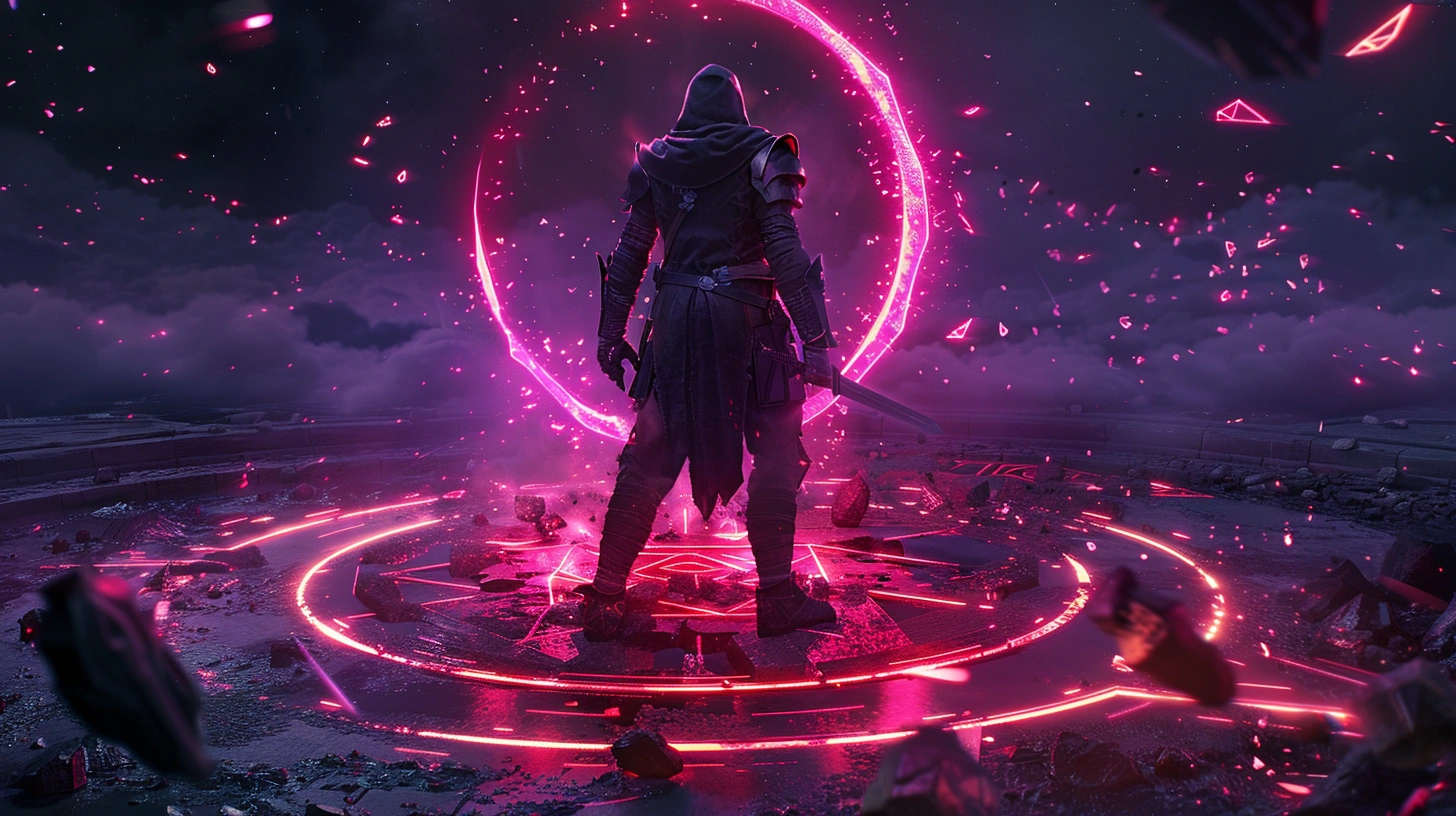
Ember Sword takes place in the vast world of Thanabus, divided into regions with varying levels of PvP activity and risk. Safer territories focus on exploration, crafting, and profession development, while high-risk zones encourage player conflict and territorial competition. This structure supports multiple playstyles and keeps different types of players engaged.
The project is positioned as a free-to-play MMORPG where blockchain features are optional rather than mandatory. Players can focus entirely on exploration, character progression, and social interaction without owning NFTs. The Web3 layer enhances the experience instead of replacing it, lowering the entry barrier for a broader audience.
Social systems play a central role in shaping a dynamic world. Guilds, cooperative raids, and territorial control strengthen the sense of community. In-game events and seasonal activities further encourage long-term participation. As a result, Thanabus becomes more than a backdrop — it evolves into a living ecosystem driven by player interaction. Developers also invest in lore and regional identity, giving each nation distinct architecture and atmosphere to deepen immersion and support long-term content expansion.
2. Gameplay, Combat, and Character Progression
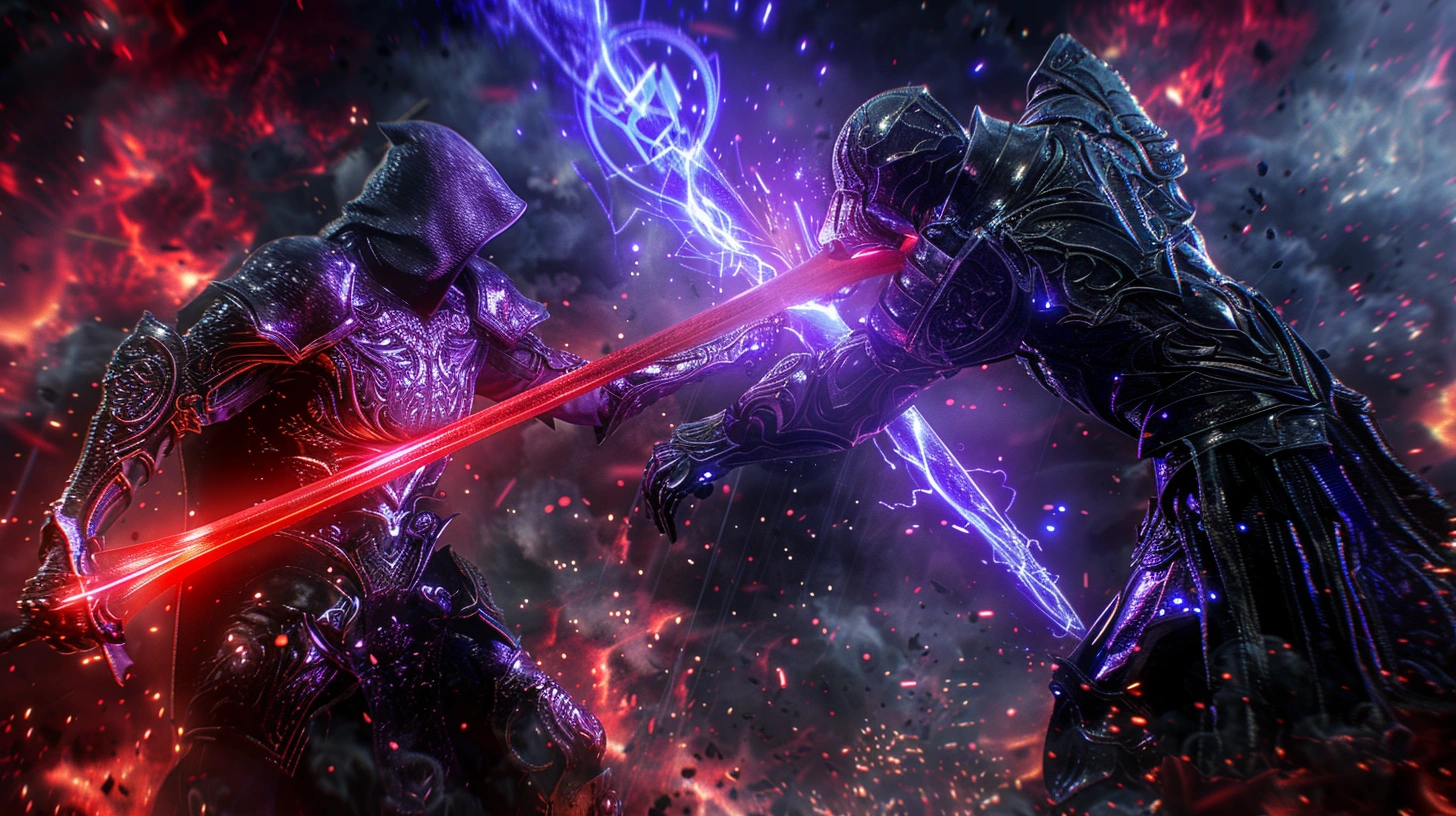
The gameplay of Ember Sword revolves around a dynamic combat system with an isometric perspective and a strong emphasis on player skill. The absence of rigid class restrictions allows players to combine weapons and abilities freely. This flexibility enables strategic diversity and more personalized character progression.
- Action-combat — real-time control with dodging and active positioning;
- Skill-based progression — improving abilities through practical use;
- PvP activities — high-risk zones encouraging competition;
- Crafting and trading — item creation and player-driven market chains;
- Guild systems — cooperative missions and territorial influence.
The combat system rewards precision and reaction rather than relying solely on gear level. This makes encounters more dynamic and unpredictable. Players can adapt their playstyle as they progress, responding to evolving challenges within the world.
Crafting and resource gathering are closely integrated with the broader economy. Crafters play a vital role in supplying equipment to the market. This balance between combat and production fosters interdependence among players. Additional activities, such as exploring rare locations and participating in world events, further expand progression paths and maintain long-term engagement.
3. The Web3 Layer, NFTs, and Digital Ownership
Web3 components in Ember Sword function as an additional layer on top of the core gameplay experience. NFT land ownership allows holders to receive a share of transaction fees generated within their territory. This creates a distributed economic structure where players actively contribute to the infrastructure of the game world.
Cosmetic NFT items serve as personalization tools without disrupting competitive balance. This approach preserves fairness in PvP while still enabling visual distinction. Players can stand out aesthetically without gaining mechanical advantages.
Blockchain integration ensures transparency of ownership and enables assets to be stored outside centralized servers, for example in personal wallets. This adds an extra layer of trust to the ownership system. However, users must understand wallet security principles and manage their private keys responsibly. The Web3 layer also enables participation in secondary markets, giving owners greater control over their digital property.
4. Tokens, Economy, and In-Game Assets
The economic model of Ember Sword is built around the EMBER token and a system of NFT-based assets. These elements establish the foundation for an internal marketplace and incentivize player activity. A key feature is its player-driven economy, where demand emerges from real interactions such as trading, crafting, and territorial competition. This structure links asset value to in-game utility rather than purely speculative expectations. The ecosystem aims to balance accessibility for newcomers with opportunities for deeply engaged participants.
| Token / Asset | Type | Core Function |
|---|---|---|
| EMBER | Utility token | Internal payments and support of economic operations |
| Land NFT | Digital land | Revenue share participation and regional development |
| Cosmetic NFT | Cosmetic items | Character personalization |
The EMBER token is used for in-game transactions and incentive mechanisms. Its value is closely tied to user activity and ecosystem scale. Land NFTs strengthen the role of owners as infrastructure participants within the game world.
Economic balance depends on transaction volume and community engagement. Developers aim to maintain sustainability through gradual feature implementation, minimizing demand volatility. Incentive systems are designed to reward active players and encourage long-term participation. Together, these elements create a flexible and adaptive economic framework.
5. Project Outlook and Market Positioning
Ember Sword operates at the intersection of traditional MMORPG design and Web3 innovation, creating opportunities to attract both mainstream gamers and digital asset enthusiasts. However, the project’s strategic advantage will depend more on gameplay quality and system depth than on blockchain integration alone.
Strong competition in the blockchain gaming sector requires consistent updates, transparent communication with the community, and reliable technical infrastructure. Stable servers, performance optimization, and responsive support are critical for long-term sustainability. Without these foundations, even a well-designed economy may struggle to retain users.
Further growth may come through partnerships, feature expansions, and enhanced social systems. Guild dynamics, territorial interactions, and cross-ecosystem integrations can deepen engagement and differentiate the project in a competitive environment. If Ember Sword maintains a balance between entertainment and economic mechanics while preserving accessibility, it has the potential to secure a stable niche within the Web3 MMORPG segment. Ultimately, player satisfaction, content quality, and community vitality will determine its long-term success.











