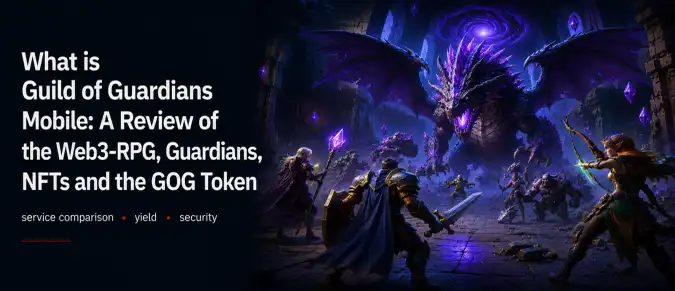

Guild of Guardians Mobile is a mobile fantasy RPG with roguelite and Web3 elements set in the world of Elderym. Players build squads of Guardians, explore dungeons, develop heroes, craft equipment, and participate in competitive modes and seasonal events. The project runs on Immutable zkEVM, while blockchain technology is used for selected game assets and the GOG token economy without requiring combat actions to be continuously recorded onchain. This architecture combines a conventional mobile RPG experience with digital ownership of supported characters and items.
Contents
- What Is Guild of Guardians Mobile and How Does the Web3 Game Work?
- Gameplay, Guardians, Dungeons, and Character Progression
- Guild of Guardians Compared With Other Web3 Gaming Models
- Immutable zkEVM, NFTs, and the GOG Token Economy
- Risks and Prospects of Guild of Guardians Mobile
1. What Is Guild of Guardians Mobile and How Does the Web3 Game Work?
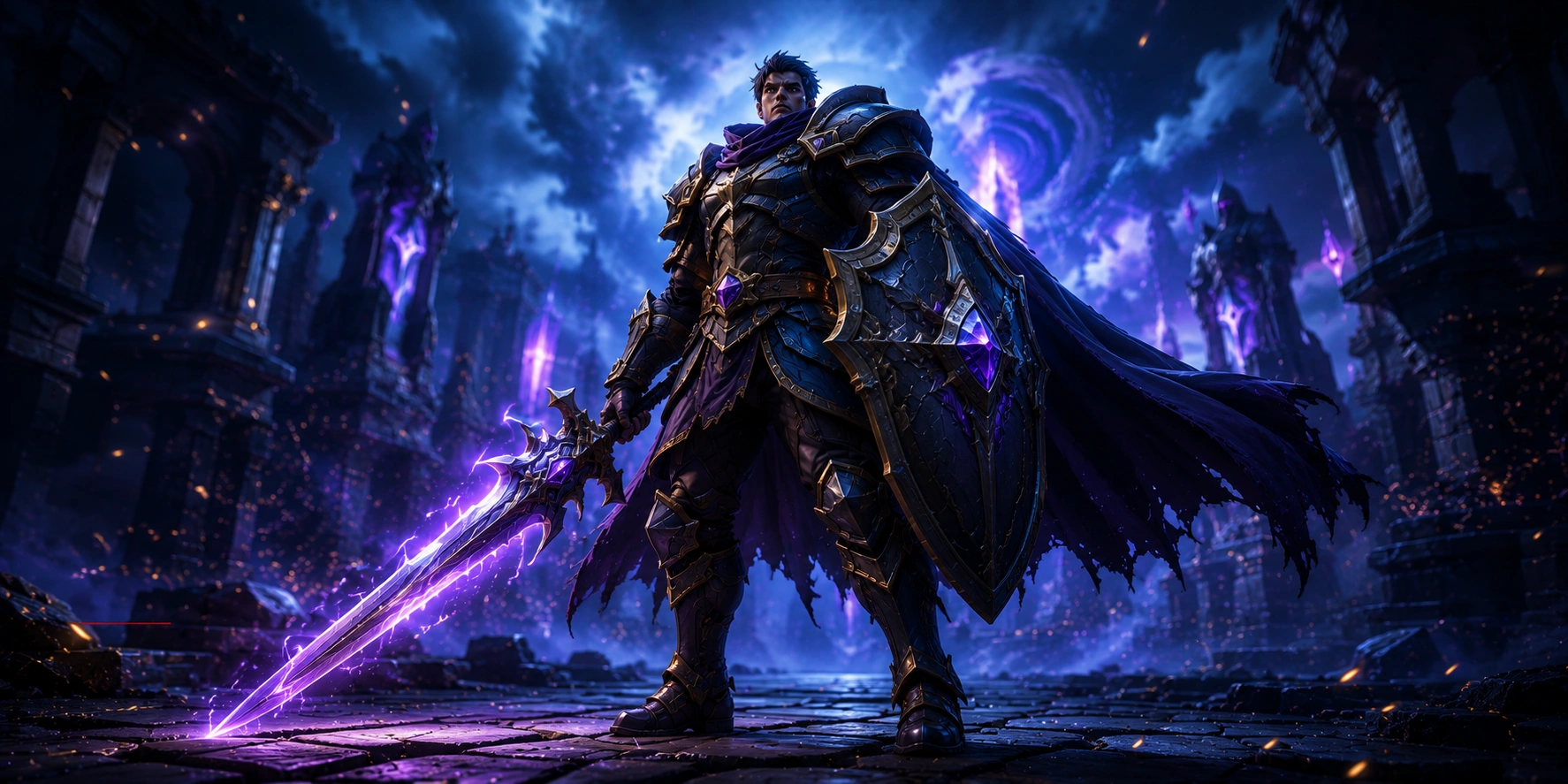
Guild of Guardians is a mobile RPG built around managing a team of heroes. The game is available on mobile devices and takes place in the fantasy world of Elderym, where Guardians fight against a force known as the Dread. Rather than controlling a single character, players assemble squads and choose their composition based on each hero's abilities, roles, and attributes.
The core gameplay loop revolves around dungeon exploration. Players select Guardians, battle enemies, collect resources, and gradually strengthen their teams. Story Dungeons are unlocked progressively, while Endless Dungeons provide repeatable challenges designed around changing conditions and competition for higher scores.
Guild of Guardians follows a free-to-play model, meaning players do not need to purchase NFTs before starting the game. Standard Guardians can exist as regular in-game characters, while the Ascension system allows eligible heroes to become Radiant Guardians — blockchain-based assets that can be transferred and used within supported Web3 infrastructure.
This approach distinguishes the project from earlier blockchain games in which owning an NFT could be required to access gameplay. In Guild of Guardians, blockchain functionality is integrated into the economy on top of the core gameplay loop, while combat, squad management, and hero progression operate as conventional mobile RPG mechanics.
2. Gameplay, Guardians, Dungeons, and Character Progression
The strategic layer begins with team composition. Guardians differ in roles, attributes, abilities, and affiliations with specific groups. Players need to consider how heroes work together under different conditions, since a team's effectiveness depends on more than the individual strength of its characters.
Progression includes leveling, equipment, and the Enlightenment system. Increasing Enlightenment requires duplicate Guardians or Faction Souls, while the maximum available level is linked to a hero's rarity. This mechanic does not turn a character into an NFT: conventional progression and blockchain status remain separate systems.
- building squads from Guardians with different roles and abilities;
- exploring Story and Endless Dungeons;
- earning experience and leveling characters;
- crafting, merging, and upgrading equipment;
- using duplicates and Faction Souls for Enlightenment;
- ascending eligible Guardians into Radiant Guardians;
- developing the Radiance of blockchain-based characters;
- participating in Arena, Rush, and special events;
- competing in seasonal and weekly leaderboards.
Crafting and merging create another layer of progression. Resources obtained from dungeons can be used to craft equipment or combine items. This connects content completion with inventory development: more difficult activities require stronger teams, while earned rewards help players prepare for subsequent challenges.
Beyond PvE, the game includes Arena, Rush, special events, and leaderboards. Available activities and scoring rules can change between seasons. This live-service format allows the developers to update the competitive meta through new conditions, events, and modifiers without replacing the fundamental Guardian system.
3. Guild of Guardians Compared With Other Web3 Gaming Models
Guild of Guardians follows a gameplay-first approach to blockchain gaming, with the mobile RPG remaining the core product. NFTs and tokens supplement progression and digital ownership rather than replacing dungeon exploration, hero development, or squad building.
The project also differs from the traditional Play-to-Earn model because earning tokens is not the primary purpose of every gameplay action. Economic rewards are connected to specific systems, including leaderboards and Web3 mechanics, while many resources are used directly for account and character progression.
| Model | Core Gameplay Loop | Role of Web3 | Digital Assets |
|---|---|---|---|
| Guild of Guardians | Squad building, dungeons, and hero progression | Digital ownership and game economy | Radiant Guardians and supported items |
| Traditional P2E | Repeatable activities for rewards | Token distribution | Tokens and NFTs |
| NFT RPG | Character progression | Ownership of heroes and equipment | Characters and items |
| Fully Onchain Game | Depends on the project | Storage or execution of game logic | Onchain game state |
| Traditional Mobile RPG | Heroes, PvE, and progression | Not used | Account-bound in-game assets |
The main architectural difference is where blockchain technology is applied. Combat does not require a transaction for every attack or ability. Immutable zkEVM supports relevant Web3 assets and economic operations, separating the speed requirements of mobile gameplay from blockchain-based digital ownership.
Another important feature is the ability to transform certain in-game characters into blockchain assets. Instead of purchasing an NFT before playing, users can first develop a Guardian in the game and, once the relevant requirements are met, use Ascension to convert an eligible character into a Radiant Guardian. This connects conventional progression with the Web3 economy without requiring every hero to be tokenized.
4. Immutable zkEVM, NFTs, and the GOG Token Economy
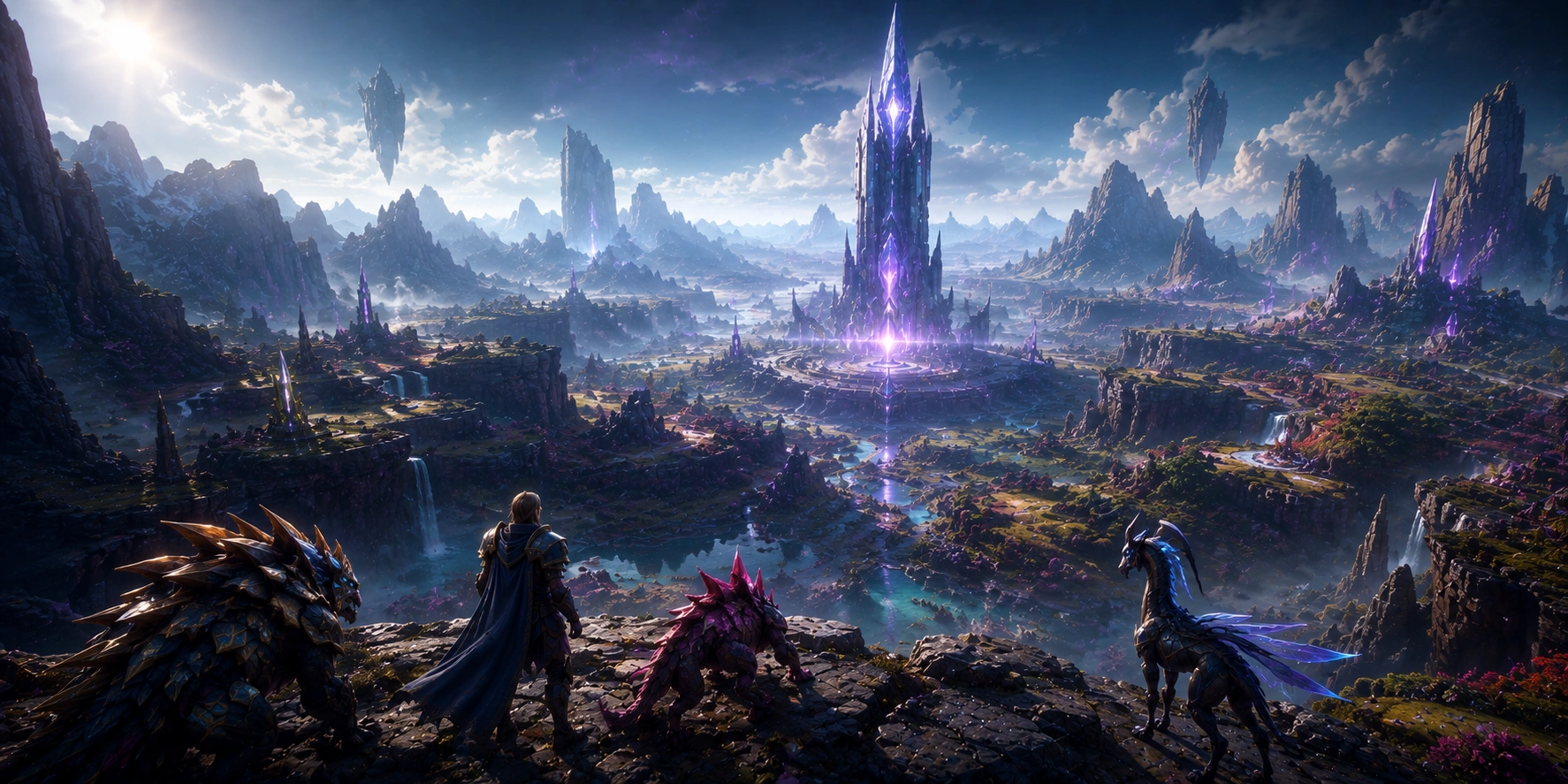
Guild of Guardians operates its Web3 infrastructure on Immutable zkEVM, an EVM-compatible network designed for gaming applications. The project previously used Immutable X infrastructure but migrated to zkEVM ahead of its global launch. Integration with Immutable Passport simplifies account and wallet creation, reducing some of the steps typically associated with onboarding users into Web3 applications.
Radiant Guardians are among the game's key digital assets. Ascension converts an eligible standard Guardian into an NFT and makes the character transferable. Radiant Guardians also have a separate Radiance progression system that can be developed using relevant resources and other Radiant Guardians.
GOG is an ERC-20 token within the ecosystem and operates separately from conventional in-game resources. Token rewards have historically been included in competitive leaderboard systems, although their size and distribution rules have evolved alongside the game's economy. GOG should therefore be viewed as a dynamic component of a live-service ecosystem rather than a fixed reward for every gameplay activity.
In January 2026, the project introduced gGoG as a universal in-game currency intended to expand the practical use of GOG within the gameplay economy. At its initial stage, users were given the ability to convert GOG into gGoG, spend the new currency on selected in-game offers, and use it for pricing within the Rental system. This mechanism creates an additional connection between the external Web3 token and the internal economy of the mobile game.
5. Risks and Prospects of Guild of Guardians Mobile
One of the main risks is maintaining balance across the game economy. Guild of Guardians combines standard and Radiant Guardians, progression resources, leaderboards, GOG, and reward systems, meaning changes to individual mechanics can affect both player progression and the perceived value of digital assets. Web3 functionality introduces additional market and technical risks: NFT prices depend on demand and liquidity, while blockchain assets rely on smart contracts, wallets, Immutable zkEVM, and marketplace infrastructure. Ownership of a Radiant Guardian does not guarantee that its market value will be maintained.
Another factor is the game's ability to retain a mobile audience. Arena, Endless, Rush, seasonal events, and leaderboards support replayability, but they require regular content updates, Guardian balancing, and sufficient player activity. The free-to-play model reduces the core game's dependence on crypto purchases, allowing users to play with standard Guardians before choosing whether to interact with digital ownership or trading features.
The prospects of Guild of Guardians Mobile will depend on player activity, the quality of updates, Guardian balance, and demand for Radiant assets, GOG, and gGoG. Blockchain can expand the gameplay loop through digital ownership, but the project's long-term sustainability will primarily depend on whether the RPG itself continues to provide value and engagement for players.











