

Helix MetaVerse is a multiplayer virtual environment that combines elements of an open world, social interaction, and a blockchain-based economy. Players can explore a digital city, participate in various activities, and own NFT assets within the metaverse. The project blends traditional gameplay mechanics with user-generated content, allowing participants to create their own spaces, events, and interaction scenarios. This approach forms a dynamic virtual environment where gameplay is closely connected to a digital economy. In this article, we will examine the structure of the Helix metaverse, its gameplay mechanics, the role of NFT assets, and the principles behind its internal economic model.
Contents
- Helix Metaverse Concept and Structure
- Gameplay and Player Interaction
- NFT Assets and Digital Ownership
- Helix Economic Model and Tokens
- Risks, Entry Strategy, and Future Prospects
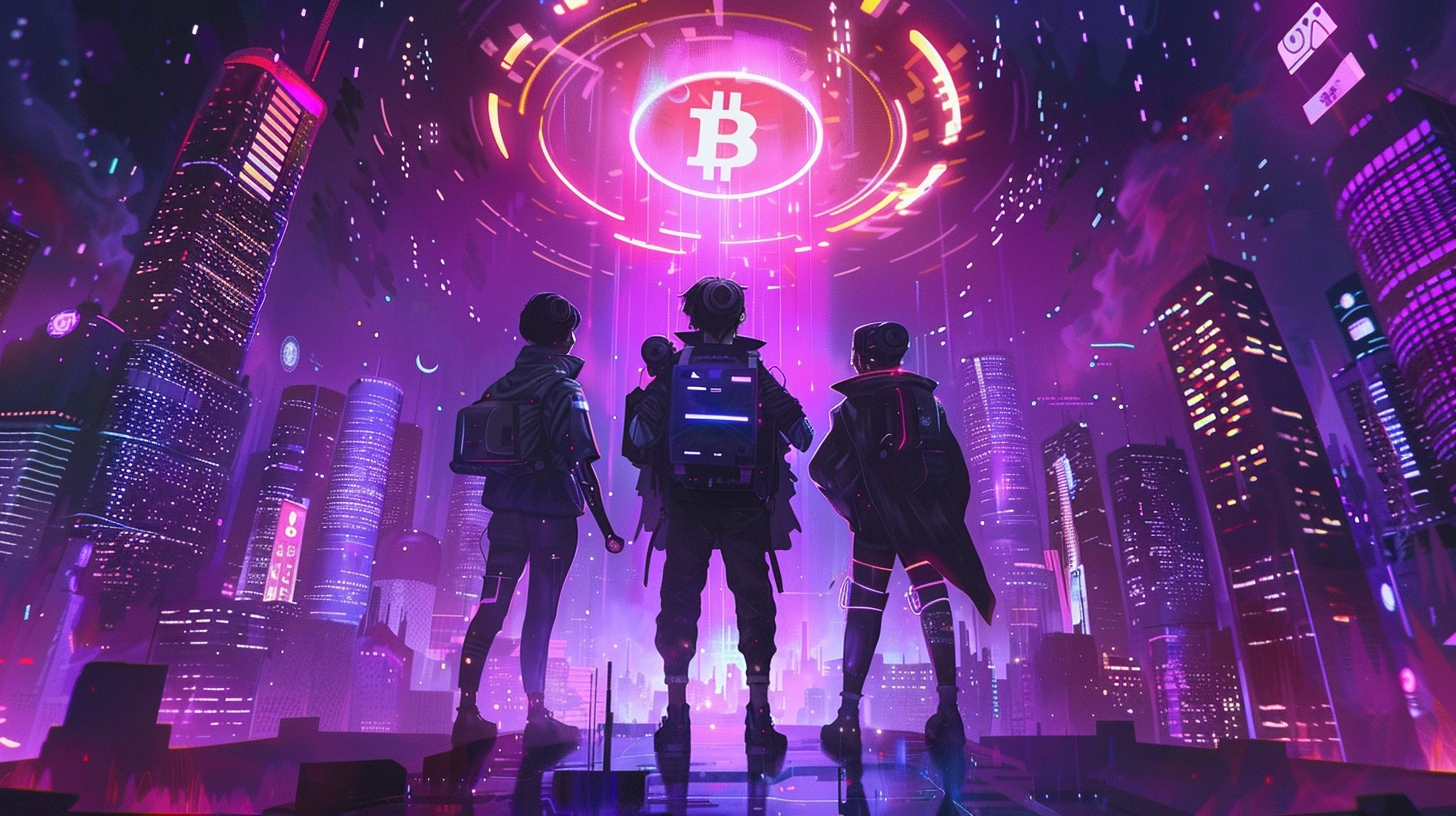
1. Helix Metaverse Concept and Structure
Helix MetaVerse is a virtual world built using modern game technologies and designed for free exploration. Players can move through a digital city, discover new districts, and participate in various activities while interacting with both the environment and other users. The central location is Parallel City — a virtual metropolis inspired by real urban landscapes. Here players can purchase property, create their own spaces, and use them as a base for gameplay activities. As a result, the metaverse gradually evolves into a social platform with its own digital economy.
Players can also create their own events and scenarios using user-generated content tools. This approach makes the Helix MetaVerse world dynamic and constantly evolving. In the long term, developers plan to expand the map and introduce new districts. This will allow the metaverse to grow into a large digital ecosystem whose development depends not only on the project team but also on community activity.
2. Gameplay and Player Interaction
The gameplay of Helix MetaVerse revolves around interaction between users within an open virtual world. Players create a character and begin exploring the city, participating in events, and taking on different roles. Within the metaverse, various activity scenarios are available — from social communication to competitive gameplay modes.
Many mechanics resemble role-playing environments where users can choose professions, take part in team-based events, and develop their own character stories. This makes the gameplay flexible and strongly focused on social interaction.
Main gameplay elements:
- City exploration — traveling across different districts of the virtual world.
- Social activities — communication, meetings, and collaborative events.
- Role-play scenarios — participation in professions and story-based situations.
- Competitive modes — various PvP formats and mini-games.
- User-generated content — creation of custom servers and events.
This approach makes gameplay less linear. Players can independently choose their development path — social, economic, or competitive. Over time, developers plan to expand the variety of activities and modes, allowing the metaverse to evolve into a platform for multiple forms of virtual interaction.
In addition, developers focus on regular in-game events. These events encourage player participation and create additional interaction scenarios. As a result, the Helix MetaVerse world remains dynamic and continuously updated.
3. NFT Assets and Digital Ownership
One of the key features of Helix MetaVerse is its digital ownership system. Many elements of the virtual world are represented as NFTs, including real estate, items, and collectible objects. Each asset has a unique identifier on the blockchain, confirming its authenticity.
Players can purchase virtual apartments, decorate them with items, and use the space as a personal base within the metaverse. This model creates a sense of ownership and encourages the development of a user-driven economy.
In addition to real estate, NFTs may represent customization elements such as clothing, vehicles, decorative objects, and other digital items. Some of them are issued in limited quantities, increasing their value within the ecosystem.
In the future, developers plan to expand the range of digital assets. This will allow players to customize their environment and characters more deeply. At the same time, the team aims to maintain a balance between collectible value and gameplay so that NFTs enhance the experience without creating unfair advantages.

4. Helix Economic Model and Tokens
The economy of Helix MetaVerse is built around several types of digital assets. Dividing functions between them helps maintain system stability and reduces pressure on a single token.
In-game resources are used to purchase items, upgrade property, and participate in events. At the same time, certain tokens may also play a governance role within the ecosystem.
| Asset | Type | Purpose | Demand Source |
|---|---|---|---|
| HELIX Token | ERC-20 | Ecosystem governance | Staking and voting |
| Utility Token | ERC-20 | In-game operations | Purchasing items and upgrades |
| NFT Real Estate | NFT | Digital land and apartments | Development of virtual property |
| In-game Currency | Off-chain | Basic operations | Daily gameplay activity |
The balance between token emission and usage plays a crucial role in economic stability. The more actively players interact with game mechanics, the stronger the internal system becomes.
Expanding the number of activities and introducing new items also stimulates demand for digital resources within the metaverse. Additional token-burning mechanisms may appear when upgrading assets or purchasing rare items, helping regulate circulation and support long-term economic stability.
5. Risks, Entry Strategy, and Future Prospects
Helix MetaVerse operates in the volatile environment of Web3 projects, where token price fluctuations and changes in audience interest can directly influence ecosystem activity. Despite this, the sustainability of such projects depends not only on economic factors but also on the quality of the virtual environment and user interaction opportunities.
New users are advised to begin exploring the metaverse gradually by learning its basic mechanics, exploring the world, and observing the internal economy. This approach helps better understand the gameplay structure and reduces potential risks related to investments or purchasing digital assets.
The future of Helix MetaVerse is connected to expanding the virtual world, introducing new gameplay modes, and supporting user-generated content. Community activity also plays an important role: the more players participate in creating events and interactions within the world, the more dynamic the ecosystem becomes.
Overall, the project aims to combine a social platform, a gaming environment, and a digital economy into a unified system. If developers manage to maintain balance between gameplay, community content, and NFT-based economics, Helix MetaVerse may strengthen its position among Web3 metaverse platforms and build a sustainable digital ecosystem.











