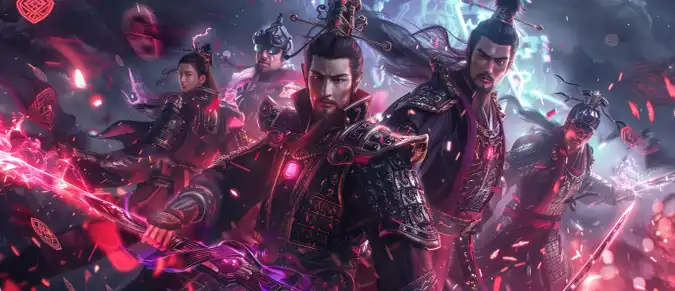

Hero Blaze: Three Kingdoms is a mobile blockchain RPG that blends strategic gameplay, the legendary setting of the Three Kingdoms era, and a Play-and-Earn economy. The game features dynamic combat modes, a wide roster of unique generals, and a deep progression system enhanced by Web3 mechanics. Its combination of idle elements, extensive customization, and tokenized rewards creates a new format of mobile RPG designed for a broad audience. In this article, we explore the game’s core concept, mechanics, economic structure, social ecosystem, and the main challenges it faces.
Contents
- Concept and Key Features of Hero Blaze: Three Kingdoms
- Gameplay Mechanics: Generals, Progression, and Battle Modes
- Project Economy and the MUDOL / MUDOL2 Tokens
- Community, Social Ecosystem, and Future Development
- Main Challenges and Risks of Hero Blaze: Three Kingdoms
- Conclusion
1. Concept and Key Features of Hero Blaze: Three Kingdoms
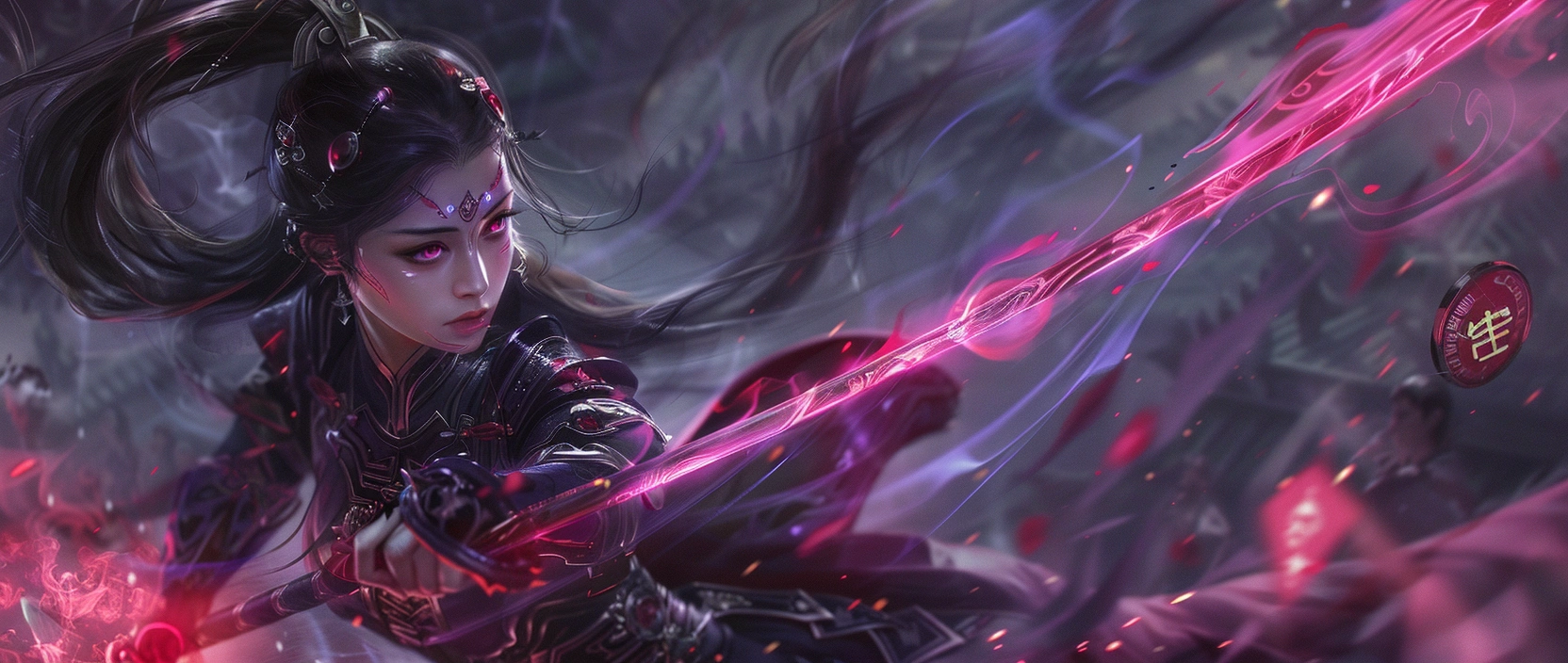
Hero Blaze: Three Kingdoms is a mobile Web3 RPG created by NATRIS and inspired by the legendary stories of the Three Kingdoms era. The game merges traditional RPG gameplay with blockchain technology, allowing users not only to develop heroes but also to earn cryptocurrency rewards. The revival of famous historical figures in a modern digital format gives the game a unique atmosphere, and the fusion of historical authenticity with innovative tokenomics helps it stand out among mobile RPGs.
One of the core strengths of the project is its accessibility for casual players. While Hero Blaze offers complex strategic elements, it remains easy to understand and engaging even for newcomers. Systems for upgrading, collecting, and assembling teams enable players to create flexible tactical solutions. Through Play-and-Earn integration, in-game activity can be converted into real-world value, enhancing the long-term appeal of the game.
Furthermore, Hero Blaze successfully intertwines cultural heritage with Web3 infrastructure. The generals from the Three Kingdoms are reimagined in a distinctive modern style without losing their historical identity. This provides players with a rich hybrid experience that blends traditional RPG immersion with blockchain-inspired opportunities, forming a strong conceptual foundation for the project.
2. Gameplay Mechanics: Generals, Progression, and Battle Modes
The gameplay revolves around collecting generals—characters with unique combat abilities, weapon types, and roles within a team. With more than 200 generals available, each contributes a specific strategic purpose. The progression system includes leveling, skill enhancement, awakening, merging, and equipment upgrades, allowing players to adapt their squads to different challenges and strategies.
The combat system spans PvE, PvP, and story-driven content, each mode offering distinct objectives and rewards. Idle mechanics allow players to earn experience and resources even when offline, which ensures steady development regardless of playtime. Some modes require precise tactics, others emphasize reaction and decision-making, while certain challenges focus on long-term optimization of the team.
Main Game Modes:
- Infinity Rush — endless waves of enemies with ranking-based rewards.
- Expedition — advanced PvE missions with rare loot drops.
- Arena — PvP battles against other players’ teams.
- Story Mode — a narrative campaign exploring Three Kingdoms lore.
- Daily Missions — tasks supporting active and passive progression.
Thanks to the flexible team-building system, players can experiment freely with different hero combinations. Even small adjustments in equipment or synergy can dramatically influence the outcome of battles. This creates a highly replayable experience and adds strategic depth for players who enjoy theorycrafting and optimization.
3. Project Economy and the MUDOL / MUDOL2 Tokens
The economic model of Hero Blaze relies on two interconnected assets: MUDOL Stones and the MUDOL2 token. MUDOL Stones serve as an in-game resource obtained through PvE, PvP, quests, and events. MUDOL2, on the other hand, functions as a blockchain token with value beyond the game, enabling trading, staking, or participation in Web3 activities.
Players can exchange MUDOL Stones for MUDOL2 via the official interface, making the Play-and-Earn loop simple and transparent. These exchanges include a commission, and the developers actively regulate the system to maintain long-term stability. This two-tier economic structure prevents overinflation and helps balance gameplay with financial incentives.
Key Tokenomics Elements:
| Element | Description |
|---|---|
| MUDOL Stones | An in-game resource obtained through PvE/PvP activities |
| MUDOL2 Token | A blockchain asset earned by exchanging MUDOL Stones |
| Exchange Fee | 5% (subject to change) |
| Token Utility | Staking, trading, and participation in Web3 activities |
The economy evolves dynamically as developers adjust rewards, progression multipliers, and balancing factors in response to market conditions. MUDOL2 also acts as a long-term engagement tool, giving players reasons to return for ecosystem events. This layered tokenomics approach supports sustainability and minimizes risks from market fluctuations.
4. Community, Social Ecosystem, and Future Development
The community plays a central role in Hero Blaze’s success. Players engage in discussions, share strategies, and support newcomers, contributing to a vibrant social environment. Developers maintain active communication through updates, events, and AMA sessions, strengthening trust between the project and its audience.
The game's social ecosystem is designed to encourage long-term involvement. Competitive rankings, special events, and new generals help sustain interest and stimulate regular activity. Its mobile format also makes Hero Blaze highly accessible, appealing to casual players and Web3 enthusiasts alike.
The future of the project will depend on the consistency of updates and the introduction of new features. The developers have announced plans to expand game modes, improve tokenomics, and enhance the user experience. With proper execution, Hero Blaze has the potential to secure a strong position in the mobile Web3 gaming market.
5. Main Challenges and Risks of Hero Blaze: Three Kingdoms
Despite its strong foundation, Hero Blaze faces several challenges. One of the primary concerns is its reliance on the cryptocurrency market—fluctuations in MUDOL2 value can impact gameplay incentives. If token interest drops, overall activity may decrease, affecting the game’s core dynamics.
Additionally, regulatory environments vary globally, and evolving crypto regulations may limit access to certain game features. Maintaining compliance while offering a smooth user experience poses an ongoing challenge for Web3 games.
Competition is another important factor. The Web3 gaming market is rapidly expanding, and projects that fail to innovate risk losing relevance. Without consistent updates and careful economic balancing, Hero Blaze could face retention issues.
Still, the game’s adaptable structure and dedicated community give it a strong foundation. With strategic development and responsive management, Hero Blaze can continue strengthening its long-term ecosystem.
6. Conclusion
Hero Blaze: Three Kingdoms represents a refined blend of mobile RPG design and Web3 mechanics, delivering a balanced mix of strategy, progression, and Play-and-Earn opportunities. Its diverse roster of heroes, wide selection of modes, and token-enabled economy make it appealing to both traditional gamers and blockchain enthusiasts.
The long-term success of the game will depend on developer support, update frequency, and the transparency of its economic model. If Hero Blaze continues to evolve and adapt to the needs of its audience, it can become one of the most resilient Web3 mobile RPGs on the market.
Moreover, the project’s future will be shaped by the developers’ ability to maintain community engagement and respond to trends in the blockchain industry. With a forward-thinking approach, Hero Blaze could attract a new wave of players interested in the intersection of gaming and Web3 innovation.











