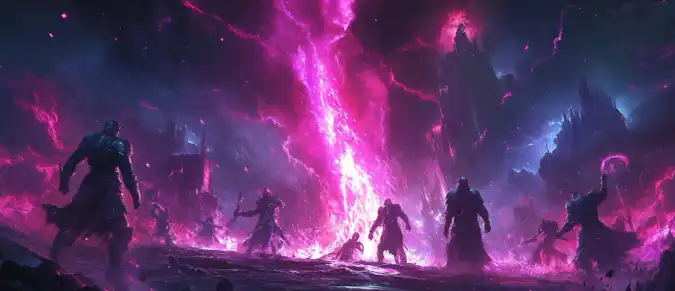

Heroes & Empires is a blockchain game built on BNB Smart Chain, combining Idle RPG, auto-battler mechanics, NFT collection, and Play-to-Earn dynamics. The project launched in 2021 and became one of the notable representatives of the early GameFi wave. At its core, the game features strategic battles between squads of heroes of various races and classes, a progression system, a PvE campaign, a PvP arena, and an internal economy built around the HE token and NFT assets. Despite token volatility, the project remains an example of how Web3 gaming has evolved—from a bright P2E-driven start to a stable service model supported by its loyal player base.
- The World of Heroes & Empires: Gameplay and Features
- NFT Heroes and In-Game Systems
- The HE Token: Economy and Utility
- Team, Partners, and Project Development
- Risks, Current Status, and Future Prospects
The World of Heroes & Empires: Gameplay and Features
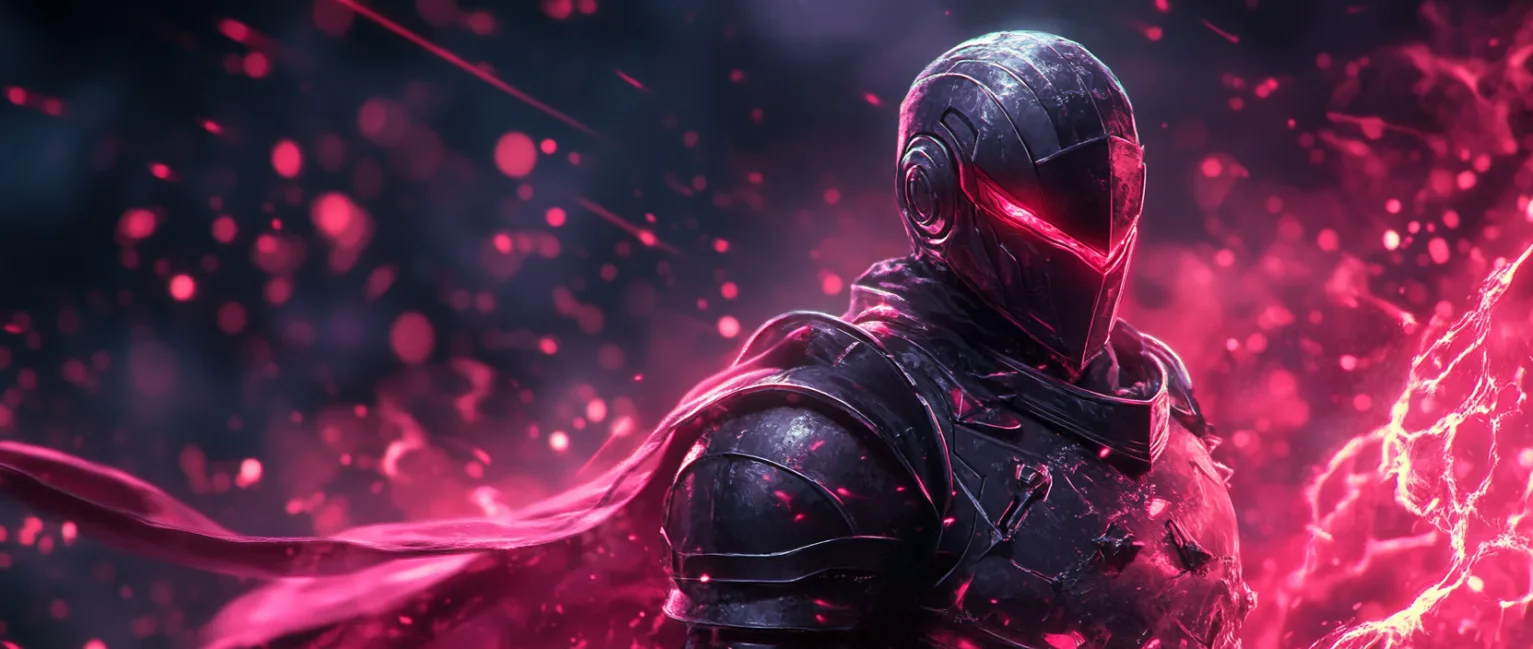
Heroes & Empires merges several genres—Idle RPG, auto-battler, and collectible strategy. The core gameplay revolves around battles on a 4×4 grid, where players position NFT heroes and the fight then unfolds automatically. Despite the idle nature, the game requires strategic thinking: choosing factions, forming synergies, positioning heroes, allocating resources, and optimizing upgrades. This approach makes the game easy to start yet strategically deep for experienced players seeking optimal tactics.
The progression system is centered around the classic campaign, where each chapter increases enemy difficulty and provides resources for further development. The PvP arena adds seasonal competition: players climb the rankings and receive HE rewards and materials. Additional modes include Tower challenges, daily quests, special events, guild activities, and in-game trials. The player’s ultimate goal is to form a powerful roster, upgrade heroes, and participate in the game’s economy through NFTs and the HE token.
The game is built on the Unity engine, providing high-quality visuals: animations, faction aesthetics, and custom hero models. This enables Heroes & Empires to run smoothly on both PC and mobile devices, expanding its accessibility. The project remains a strong example of how Web3 technologies can integrate into traditional mid-core gameplay.
NFT Heroes and In-Game Systems
NFT heroes are the core asset of the project, shaping both gameplay and economy. Each hero belongs to a specific race, class, and rarity tier, and has unique abilities and an ascension (rank-up) level. Players can freely buy, sell, upgrade, and merge NFT characters, creating a dynamic market and ongoing demand for both basic and rare units.
Below are the key gameplay systems of Heroes & Empires:
-
Factions and Classes — each faction provides bonuses when several of its heroes are used together.
-
Ascension (Ranks) — merging system where basic NFTs are consumed to enhance higher-tier heroes.
-
Equipment and Artifacts — additional items that boost hero stats.
-
Idle Farming — players earn resources even while offline.
-
PvE Campaign — main progression path unlocking resources and new levels.
-
PvP Arena — competitive ranked battles with seasonal rewards.
-
Towers and Challenges — escalating difficulty modes offering valuable rewards.
-
Events and Limited-Time Modes — sources of rare items and exclusive NFTs.
Together, these systems form a multi-layered game ecosystem: newcomers enjoy easy entry thanks to idle mechanics, while experienced players dive deeper into team-building, synergies, and the NFT marketplace economy.
The HE Token: Economy and Utility
Heroes & Empires uses the HE token (BEP-20, BNB Chain), which forms the economic foundation of the project. It serves as a reward for in-game activity, a currency for progression mechanics, a component of the DeFi layer, and a means of interaction within the NFT market. The total supply is 1 billion tokens, distributed among the team, investors, liquidity pools, the Play-to-Earn fund, and staking programs.
Below is a summary table of HE token utility:
| Function | Description |
|---|---|
| Play-to-Earn Rewards | Earn HE through campaign progression, PvP, quests, and events. |
| Hero Purchase and Upgrades | Summoning, ascension, and special enhancement mechanics. |
| Marketplace | Trading NFT heroes and items through in-game platforms. |
| Staking | Passive income and additional bonus rewards. |
| Ecosystem Utility | Use of HE in future products across the H&E universe. |
The HE token followed a typical GameFi trajectory: a strong initial surge, a decline after market cooldown, and a transition to low volatility. Despite this, the ecosystem continues to function, and NFT assets remain a meaningful part of player progression.
Team, Partners, and Project Development
Heroes & Empires was developed by a team from Vietnam deeply involved in the GameFi movement and Web3 development. The project received support from regional funds and partners connected to mobile gaming and NFT infrastructure. In its early stages, H&E raised around $1.6 million and conducted several successful token launch rounds.
After release, the team focused on updates: mobile clients, improved guilds, arenas, PvE modes, expanded events, and economic balancing. The roadmap also mentioned future plans such as NFT hero renting, a broader metaverse, tournaments, and integrating HE into additional titles.
Over time, the project shifted into a steady-support phase: the initial hype faded, but the core community remained. This model reflects many first-generation GameFi projects, showing that sustainable success requires not just token performance but also strong content, regular updates, and expansion of the game’s IP.
Risks, Current Status, and Future Prospects
The main risks for Heroes & Empires relate to token economics and the overall state of the GameFi market. After 2022, Play-to-Earn interest declined, and HE’s price dropped, making P2E mechanics less attractive. However, the game continues to operate thanks to its strategic depth and the NFT system, which remains functional regardless of market conditions.
Compared to other projects, the games that survive are those that evolve into full-fledged services, expand content, and provide value beyond earnings. H&E is moving in that direction—slow updates, community support, and opportunities to scale the IP.
The project has potential if the team continues expanding the ecosystem: more game modes, DeFi integration, NFT renting, new titles within the universe. Otherwise, Heroes & Empires will remain an important historical example of early Web3 gaming, illustrating typical GameFi development cycles.











