
Heroes & Empires is a representative of a new generation of GameFi projects that combines strategic gameplay, NFTs, and a Play-to-Earn economic model. The game blends elements of Idle RPG and auto chess, offering users not only participation in battles but also true ownership of digital assets. As Web3 continues to evolve, such projects are shaping a new model of interaction between players and in-game economies, where virtual resources gain real value. In this article, we explore the key features of Heroes & Empires and its position within the industry.
Table of Contents
- Concept and Structure of Heroes & Empires
- Gameplay Mechanics and Modes
- Economy and Tokens
- NFTs and In-Game Assets
- Role in GameFi and Future Outlook
1. Concept and Structure of Heroes & Empires
Heroes & Empires is a strategic Web3 game that combines elements of Idle RPG and auto battler mechanics. At its core is the idea of merging gameplay with financial incentives, allowing users not only to enjoy the experience but also to participate in the project’s economy. The game is built on blockchain technology, which ensures true ownership of in-game assets.
The project focuses on creating a sustainable ecosystem where all elements are interconnected. Players interact with characters, resources, and tokens, shaping their own development strategies. This approach expands the traditional concept of gaming by introducing an economic dimension.
Additionally, Heroes & Empires is designed as a cross-platform experience. Support for both PC and mobile devices makes the game accessible to a broader audience. This increases engagement and contributes to steady user growth.
2. Gameplay Mechanics and Modes
The gameplay revolves around building a team of heroes, each with unique attributes and roles. Players must consider character synergy, class types, and rarity levels, which adds strategic depth and makes each battle distinct. Combat is automated, but preparation requires planning and tactical thinking. Players select team compositions, upgrade heroes, and manage resources, combining accessibility with strategy.
Main game modes include:
- PvE Campaign: progressing through levels and developing your team.
- PvP Arena: competing against other players.
- Dungeons: earning resources and rewards.
- Events: limited-time activities with special conditions.
The variety of modes makes the gameplay more dynamic and engaging. Players can choose their preferred playstyle instead of being limited to a single activity. This increases overall playtime and adds depth to the experience. In addition, regular updates and seasonal events help maintain player interest and encourage long-term engagement. Such a structure supports the development of an active and loyal community.
3. Economy and Tokens
The economic model of Heroes & Empires is built around the HE token, which serves multiple functions within the ecosystem. It is used for rewards, in-game transactions, and governance participation. In addition, an in-game currency is used for upgrades and hero progression. This dual-token system separates gameplay mechanics from investment aspects, making the economy more flexible and sustainable.
| Token | Purpose | Function in Game |
|---|---|---|
| HE | Main token | Rewards, governance, marketplace transactions |
| HES | In-game currency | Upgrades, hero development, gameplay expenses |
Tokens can be earned through gameplay, including completing missions and participating in battles and events. This creates a direct link between player activity and potential rewards. At the same time, maintaining economic balance is crucial for long-term sustainability. Developers implement supply control and distribution mechanisms to prevent excessive inflation, helping to stabilize the in-game economy as the user base grows.
4. NFTs and In-Game Assets
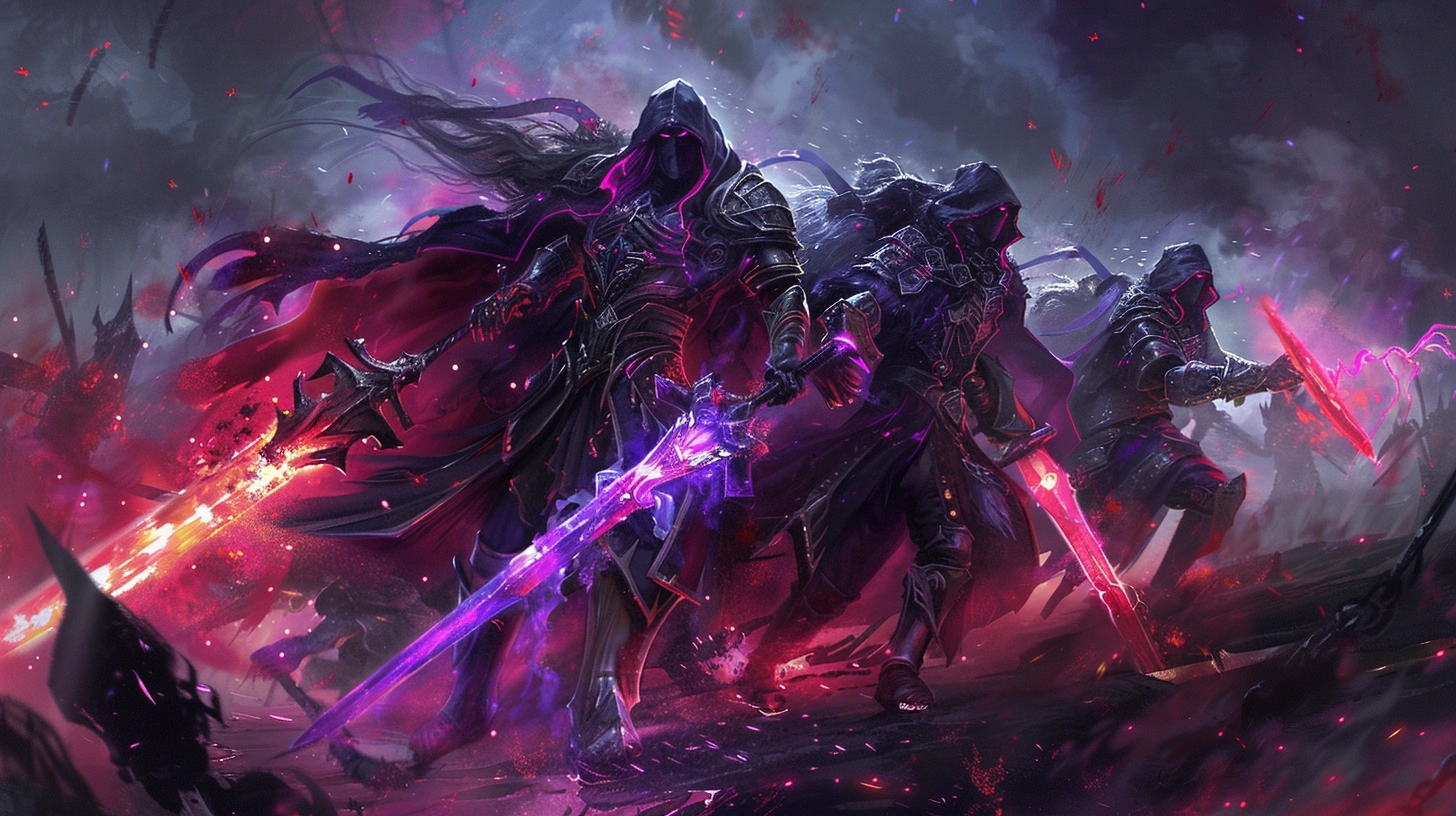
NFTs play a central role in Heroes & Empires, as heroes and items are represented as unique tokens. This gives players true ownership of digital assets and the ability to freely use or trade them within the ecosystem. Such an approach enhances the value of each asset and makes the gameplay more meaningful.
Each character has a rarity level that directly affects their performance and market value. This adds another layer of strategy, as team composition becomes a key factor in success. The diversity of classes and roles allows for different tactical approaches.
Players can buy, sell, and trade NFTs through built-in systems, creating an internal marketplace. This drives economic activity and encourages interaction between users. As a result, the game evolves beyond simple entertainment into a полноценную digital ecosystem. Additionally, NFTs can provide access to exclusive events or bonuses, increasing their practical value. Over time, rare assets may become more востребованными, attracting both players and investors.
5. Role in GameFi and Future Outlook
Heroes & Empires holds a notable position in the GameFi sector due to its combination of gameplay and economic mechanics. Unlike earlier projects, it focuses not only on earnings but also on delivering an engaging experience, which improves long-term sustainability.
As Web3 continues to grow, competition in this space intensifies, requiring projects to constantly refine their mechanics and economic models. Heroes & Empires already shows strong potential благодаря разнообразному контенту и продуманной структуре. In the future, such games may become part of a broader digital economy, especially with the expansion of метавселенных and cross-platform integrations.
Overall, the project demonstrates how blockchain can transform the gaming industry by merging entertainment with financial opportunities. Further growth may be driven by new partnerships and the introduction of additional game modes, helping maintain user interest and strengthen its position in the GameFi market.











