

Chain Colosseum Phoenix is a Web3 RPG that combines turn-based battles, NFT mechanics, and Play-to-Earn elements. The project is built around digital heroes that participate in combat, evolve over time, gain upgrades, and become part of the in-game economy. Unlike many Game-Fi projects, Chain Colosseum Phoenix focuses not only on token rewards but also on building a sustainable ecosystem where strategy, account progression, and efficient resource management play a major role. The game operates on the Oasys blockchain infrastructure and targets players familiar with both RPG gameplay and NFT ecosystems.
Contents
- Chain Colosseum Phoenix and the Evolution of Web3 Gaming
- Gameplay and Hero Progression System
- Project Economy and Chain Colosseum Phoenix Tokens
- Balance Mechanics and Game-Fi Economy Protection
- Project Potential and Importance for Players
1. Chain Colosseum Phoenix and the Evolution of Web3 Gaming
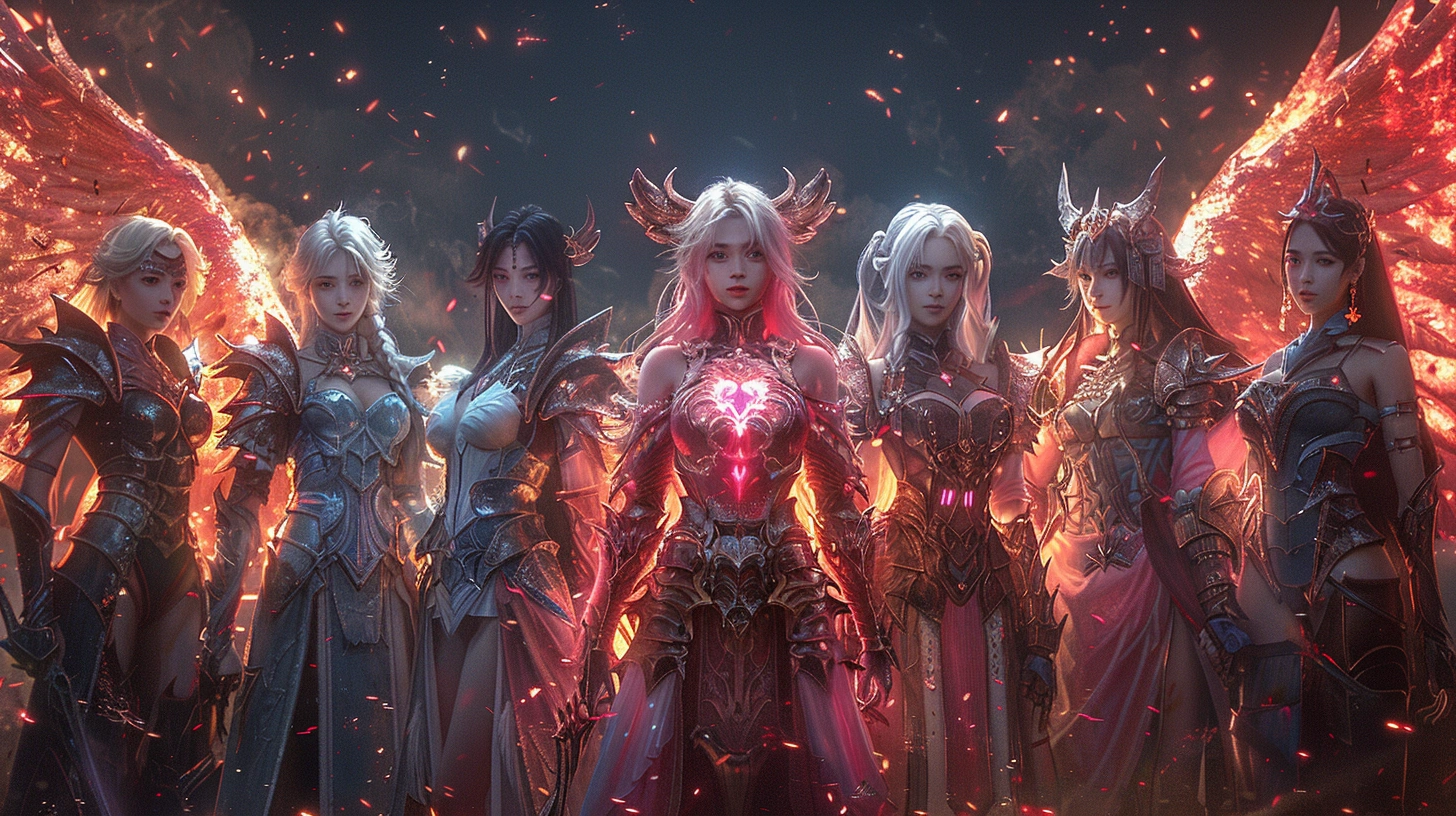
Chain Colosseum Phoenix belongs to a new generation of Web3 games where in-game assets and characters are owned by players rather than the platform itself. This approach changes the traditional concept of interaction with the game world. Players can manage NFT heroes, trade assets, participate in the economy, and use blockchain technology not as a hidden system but as the foundation of the gaming infrastructure.
The project is designed as a fantasy RPG with turn-based combat mechanics. Developers combine classic role-playing gameplay with modern crypto tools. The Oasys ecosystem plays an important role, as it is specifically focused on Game-Fi and blockchain gaming. Thanks to this infrastructure, Chain Colosseum Phoenix benefits from faster transactions and lower fees compared to traditional blockchain networks.
Compared to many Play-to-Earn projects, the game attempts to move away from the simplistic “farm and withdraw” model. Its economy is based on constant circulation of resources, upgrades, limitations, and strategic risks. As a result, users interact not only with a reward system but also with a complete RPG environment where progression requires planning, time, and resource investment.
The project has also gained attention because of its Japanese origins and integration into the NFT community. Chain Colosseum Phoenix is frequently mentioned in discussions related to Game-Fi, digital collectibles, and Web3 infrastructure, making it part of the broader blockchain gaming movement.
2. Gameplay and Hero Progression System
The gameplay is centered around turn-based battles using NFT heroes. Each character has unique attributes, rarity levels, and progression opportunities. Players must build effective teams, understand the strengths and weaknesses of their heroes, and choose the right tactics to complete different stages and challenges.
New heroes are obtained through a summoning system connected to in-game resources and tokens. Characters can be upgraded, receive additional stats, and use special items. This creates a long-term progression model where account value depends not only on playtime but also on the quality and rarity of the player’s collection.
Key Gameplay Features
- turn-based combat with strategic elements;
- NFT heroes with different rarity levels and attributes;
- a summoning system for obtaining new characters;
- hero upgrades and GEM enhancement mechanics;
- loot chests and in-game rewards;
- energy limitations to control farming activity;
- asset trading through the marketplace.
Chain Colosseum Phoenix actively incorporates RPG mechanics such as character progression, equipment enhancement, stat upgrades, and access to increasingly difficult content. The game includes loot chests, combat rewards, and various forms of in-game interaction. This creates a sense of continuous progression and encourages players to return regularly.
An important aspect of the project is that it does not become a simple automated farming simulator. Players must manage resources carefully, work within limitations, and make strategic decisions about account development. This makes the gameplay experience deeper than many early-stage Web3 projects.
3. Project Economy and Chain Colosseum Phoenix Tokens
The economic model of Chain Colosseum Phoenix is built around several types of digital assets. The main role belongs to CCP, a utility token used for most in-game activities. Players earn CCP through battles, completing tasks, and progressing their accounts. The token is required for hero summoning, upgrades, recovery systems, and other gameplay mechanics tied to progression.
The ecosystem also uses OAS, the native token of the Oasys blockchain. It supports infrastructure-related operations and interactions with the blockchain network. Some external platforms also mention the Z token, which is associated with the project’s market activity and public token sales.
| Token | Type | Purpose | Usage |
|---|---|---|---|
| CCP | Utility Token | Main in-game currency | Hero summoning, upgrades, recovery, loot chests |
| bCCP | Test Token | Used during early project stages | Testing gameplay mechanics and economy |
| OAS | Oasys Network Token | Infrastructure asset | Blockchain interaction and network operations |
| Z | Ecosystem Token | Connected to external market mechanisms | IDO participation and market activity |
NFT heroes are a critical part of the economy. Their value depends on rarity, combat effectiveness, and demand within the gameplay system. This creates an internal market where users can buy, sell, and trade digital assets.
The developers attempt to maintain balance between token issuance and resource consumption. In Game-Fi projects this is extremely important because excessive token supply can rapidly reduce the value of the in-game economy. For this reason, Chain Colosseum Phoenix pays significant attention to spending mechanics, limitations, and constant asset circulation.
4. Balance Mechanics and Game-Fi Economy Protection
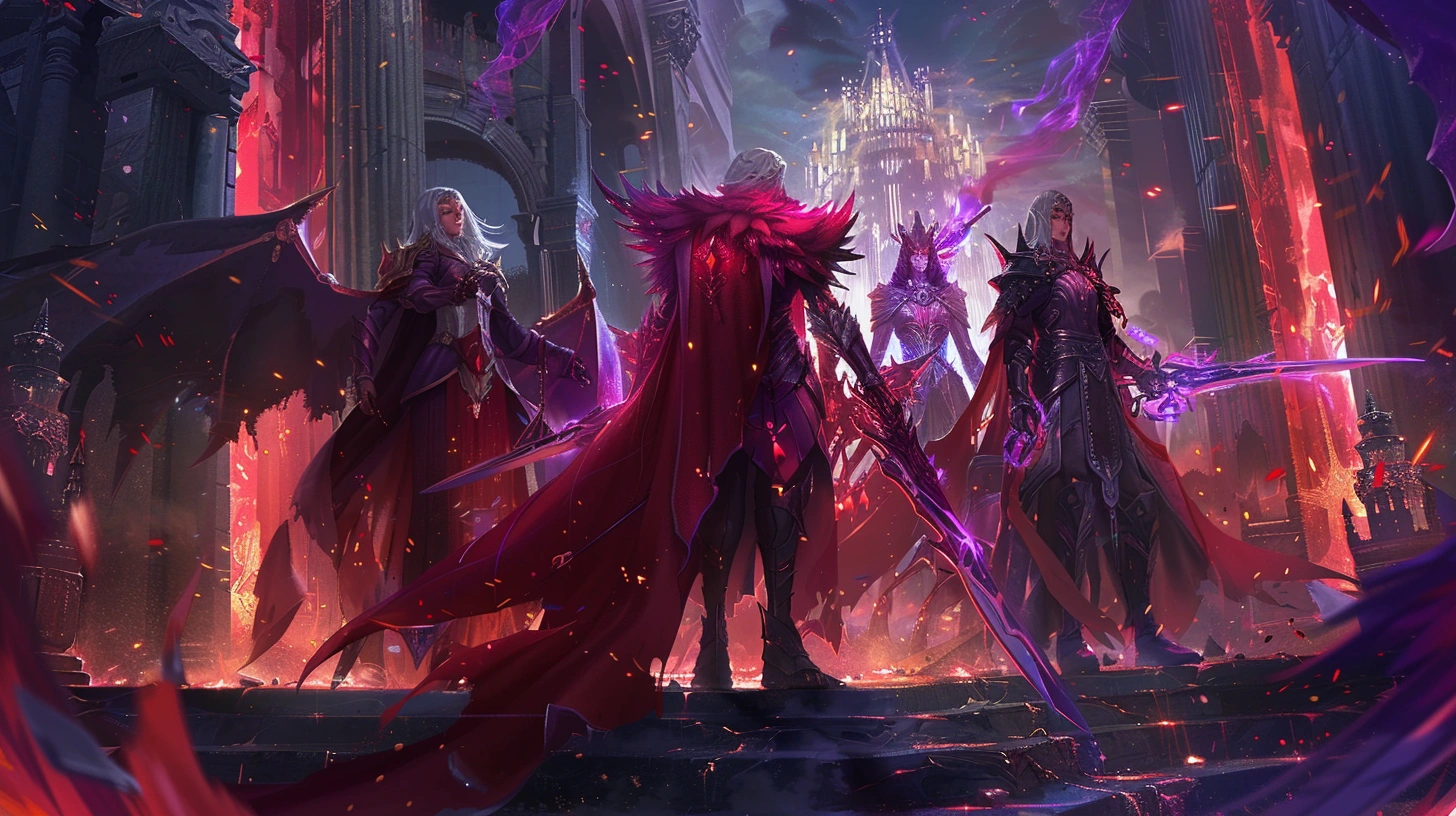
One of the most interesting aspects of Chain Colosseum Phoenix is its attempt to create a sustainable Play-to-Earn model. Many early Web3 games faced the same problem: players generated tokens faster than demand could absorb them, eventually destabilizing the economy. In this project, developers try to reduce these risks through multiple interconnected systems.
The game includes an Energy System that limits the number of actions players can perform during a certain period of time. This helps control the pace of farming and prevents unlimited reward generation. In addition, the Earnings Limit mechanism restricts the amount of rewards players can receive, helping the economy avoid sudden inflation.
Another notable feature is the Anti-Trader Field system. It is designed to discourage users who treat the game purely as a short-term speculative tool. The developers aim to maintain balance between enjoyable gameplay and economic incentives so the platform does not become dominated by aggressive trading behavior.
The lifecycle mechanics of NFT heroes also play an important role. Characters can become injured, require recovery, or need additional resources. While these systems may initially seem restrictive, they create natural token consumption and help maintain demand for in-game assets.
Additional systems such as Soul Mining, the Marketplace, and Scholarship features create a more complex economic structure. Players gain not only opportunities to earn tokens but also ways to participate in the long-term development of the digital ecosystem.
5. Project Potential and Importance for Players
Chain Colosseum Phoenix demonstrates an attempt to merge traditional RPG gameplay with a Web3-based economy. The project offers players more than NFT ownership by providing a complete gameplay cycle with character progression, economic systems, and marketplace interactions. As a result, the game feels more advanced than simple Play-to-Earn applications focused exclusively on token farming.
For the Web3 gaming audience, the project is particularly interesting because of its comprehensive approach. It combines turn-based battles, hero collection mechanics, market systems, and an effort to create a sustainable economy. This format may appeal especially to players who value gameplay quality in addition to financial incentives.
At the same time, Chain Colosseum Phoenix remains connected to the broader crypto market. Its ecosystem depends on player activity, NFT demand, and token market conditions. Asset prices may fluctuate, and the economy requires continuous developer support. Participation in such projects therefore involves risks and requires a careful approach.
Nevertheless, Chain Colosseum Phoenix shows how modern Game-Fi projects may evolve in the future. The game focuses on combining entertainment, digital ownership, and blockchain-based economics. If the project continues improving the balance between RPG mechanics and Web3 infrastructure, it may strengthen its position within the blockchain gaming sector.











