

Crypto Legions is a Web3 game that combines elements of strategy, automated gameplay, and blockchain-based economics. The project allows users to manage an army of NFT units, earn rewards, and participate in a digital ecosystem where every action affects the internal balance. Unlike traditional games, not only mechanics matter here, but also the economic model, which drives long-term engagement.
Contents
- Crypto Legions Concept and Its Role in GameFi
- Gameplay and Core Mechanics
- NFT Units and Strategies
- Crypto Legions Economy and Tokens
- Advantages and Limitations of the Project

1. Crypto Legions Concept and Its Role in GameFi
Crypto Legions represents the GameFi segment, where gameplay is combined with financial tools. The project is built around the idea of a digital army operating within a decentralized economy. Players are not just participants but managers of assets, influencing their value and efficiency.
Unlike traditional strategy games, there is no need for constant manual control. Most processes are automated, making the game accessible to a wider audience. This creates a new interaction model where management replaces direct control.
The ecosystem evolves through player activity. Every decision related to buying, upgrading, or selling assets affects the internal market. This creates a dynamic environment where both strategy and economic understanding are essential.
It is also worth noting that the project focuses on long-term sustainability rather than short-term gains. Developers implement mechanisms aimed at balancing the economy and retaining users. This positions Crypto Legions within the broader evolution of Web3 gaming.
2. Gameplay and Core Mechanics
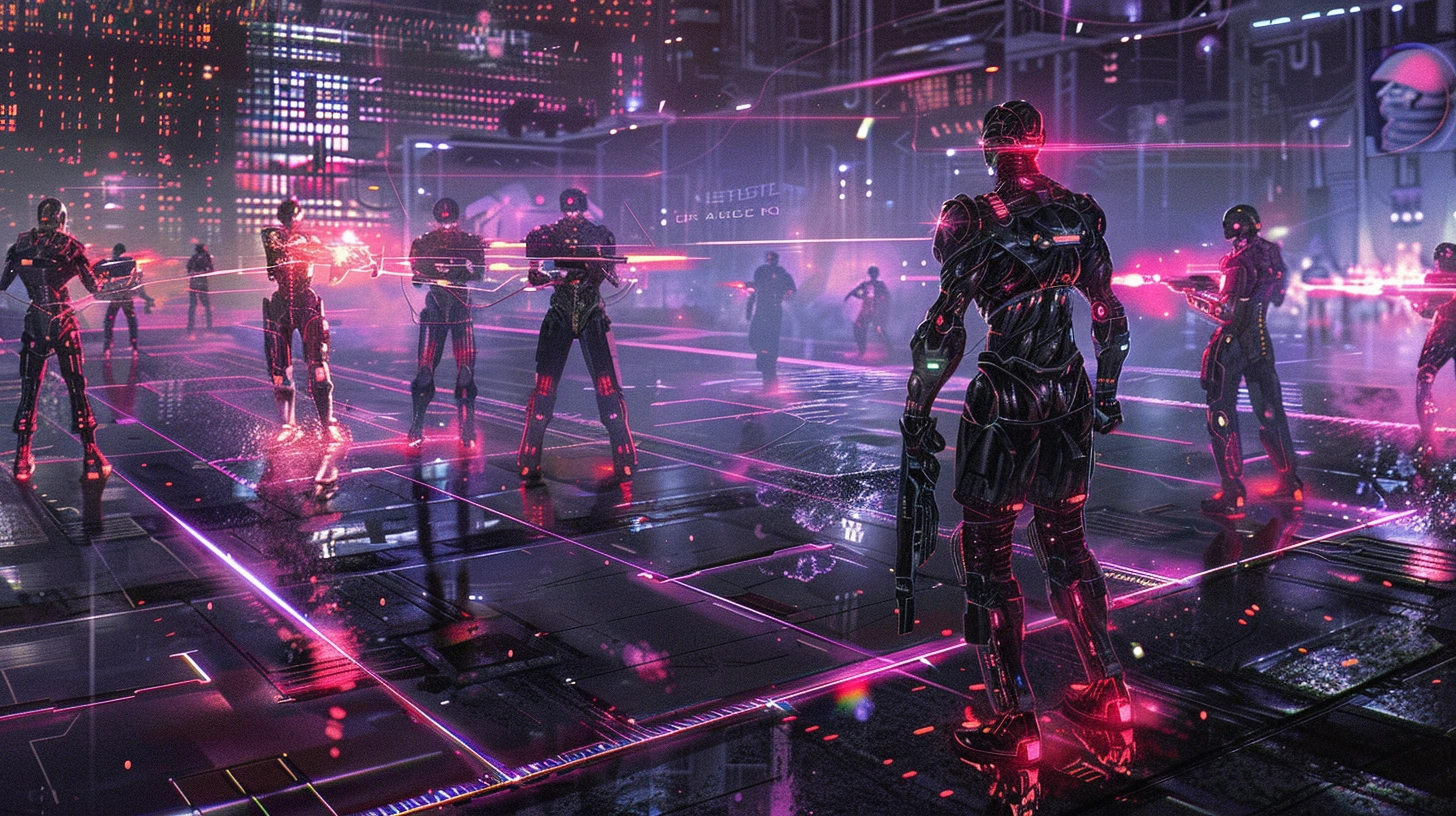
The gameplay is centered around building and developing an army. Players acquire NFT units, send them into battle, and receive token rewards. Control is indirect, as users define parameters and optimize performance rather than managing every action.
Main mechanics include:
- building and expanding an army;
- automated battles and resource generation;
- upgrading unit performance;
- reinvesting earned rewards;
- balancing costs and profitability.
This system creates a continuous loop where players make decisions about further development. An additional aspect is scalability: the more units deployed, the higher the potential rewards, but also the greater the risks. This requires careful resource allocation.
Even with automation, gameplay remains dynamic, as strategies need constant adjustment. This helps maintain long-term engagement and creates a balance between simplicity and depth.
3. NFT Units and Strategies
Each unit in Crypto Legions is represented as an NFT, ensuring uniqueness and ownership. These characters have different attributes that affect their combat efficiency and resource generation capabilities.
Players form squads by combining units with various characteristics. This enables strategies focused either on rapid returns or long-term stability. Upgrading NFTs plays a key role, increasing their effectiveness over time.
Strategy depends on user goals. Some prioritize fast scaling, while others focus on sustainability. Over time, players adapt by restructuring their army and reallocating resources.
Rarity is another important factor influencing both value and performance. Rare units may generate higher rewards but require greater investment. This adds another layer of decision-making and personalization to gameplay.
As a result, players develop their own management approaches, contributing to a flexible and diverse in-game environment.
4. Crypto Legions Economy and Tokens
The economic system of Crypto Legions is based on tokens and NFT assets. These elements support the game’s functionality and create an internal marketplace. Users interact with assets through purchasing, upgrading, and participating in gameplay activities.
The system encourages active participation: increasing the number of units and upgrades leads to higher potential returns. However, maintaining balance is essential, as excessive token supply can reduce value. Therefore, regulation mechanisms are implemented, including supply control and redistribution.
| Asset | Type | Function |
|---|---|---|
| BLOOD | Token | Primary currency used for buying units and earning rewards |
| Legion NFT | NFT | Characters participating in battles and generating resources |
| Equipment NFT | NFT | Items that enhance army efficiency |
The economy is influenced by player behavior, including activity levels and transaction frequency. This makes the system responsive to changes in engagement. As a result, it evolves dynamically based on user actions.
Additional mechanisms such as token burning and supply limits are introduced to maintain stability and reduce inflation risks. These features contribute to the long-term sustainability of the ecosystem.
5. Advantages and Limitations of the Project
Crypto Legions combines simple mechanics with strategic planning elements, making it accessible while maintaining depth through its economic model. Key advantages include automated gameplay, reducing the need for constant involvement, and NFT assets that enhance the sense of ownership.
The flexibility of strategies allows players to adapt their approach based on goals and engagement levels. However, the system depends on user activity and market conditions. Token volatility can affect profitability, and understanding Web3 mechanics may require time, especially for beginners.
It is also important to consider that strategy effectiveness may change over time due to internal ecosystem adjustments. Despite these challenges, the project remains a strong example of GameFi development.
Crypto Legions demonstrates how gameplay can integrate with digital economics to create new interaction models. In the long term, such systems may become the foundation for more complex and sustainable Web3 ecosystems.











