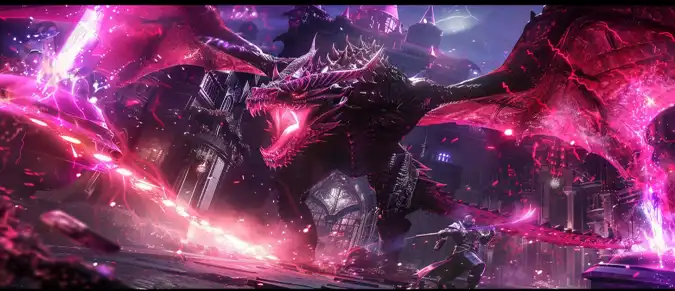

Dragon Strike is a Web3 puzzle RPG that combines match-3 battles, city-building mechanics, hero collection, and NFT economy elements. The project is connected to the Gala Games ecosystem and offers players a familiar mobile RPG experience enhanced with blockchain features. Players develop their own cities, build teams of heroes, strengthen dragons, complete PvE content, and participate in PvP modes. Unlike many early GameFi projects, Dragon Strike focuses not only on digital assets but also on a complete gameplay cycle with long-term progression, account development, and a variety of activities.
Contents
- Dragon Strike and the Evolution of Web3 Mobile RPGs
- Cities, Heroes, and the Progression System
- Core Gameplay Mechanics and Game Modes
- NFTs, Resources, and the Dragon Strike Economy
- The Future of the Project and Its Role in GameFi
1. Dragon Strike and the Evolution of Web3 Mobile RPGs
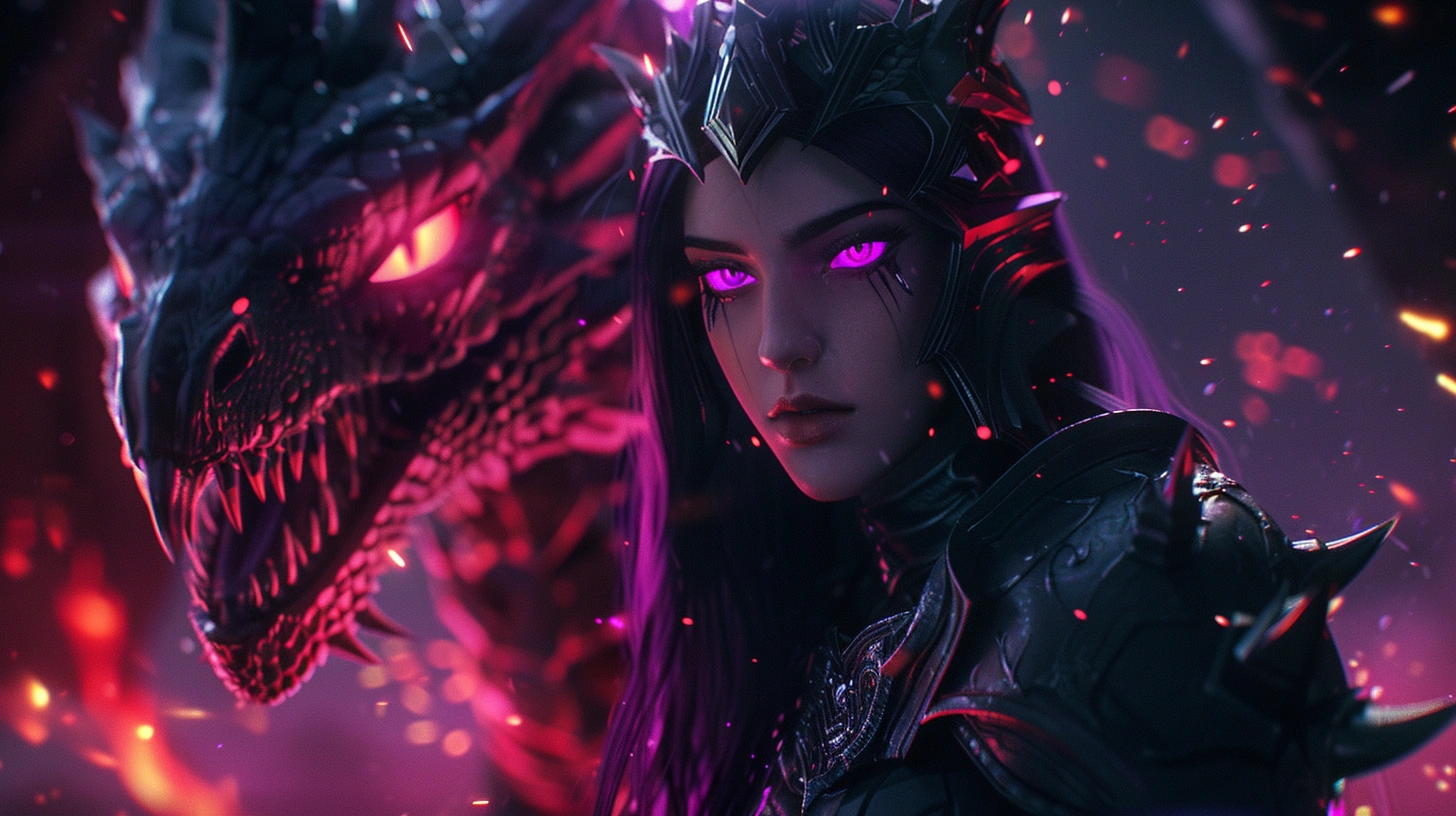
Dragon Strike is a hybrid Web3 game that combines a classic mobile RPG structure with blockchain mechanics. Players collect heroes, develop their bases, participate in battles, and gradually strengthen their accounts, while the Web3 layer introduces NFT characters and digital ownership inside the Gala Games ecosystem.
The project is designed for fans of mobile RPG and puzzle games. Thanks to its match-3 mechanics, Dragon Strike remains accessible even for users who have never interacted with GameFi before. This makes the game easier to understand compared to more complex DeFi-based projects.
One of Dragon Strike’s main strengths is its combination of multiple gameplay systems. The game includes city-building, RPG progression, PvP, PvE, and hero collection mechanics. This variety helps keep players engaged and creates a more dynamic gameplay experience.
Its integration with Gala Games also strengthens the Web3 side of the project. Dragon Strike becomes part of a larger ecosystem where NFT assets can exist beyond a single game. At the same time, the developers focus not only on tokens, but on building a complete RPG environment with long-term progression and account development.
2. Cities, Heroes, and the Progression System
City development is one of the core systems in Dragon Strike. The player’s base acts as the main hub that influences overall progression. Users construct buildings, improve infrastructure, gather resources, and unlock new gameplay features over time. Because of this, the city becomes an important part of long-term account growth.
Heroes form the foundation of the combat system. Each character has unique stats, abilities, rarity levels, and combat roles. Some heroes focus on dealing damage, while others support allies, control enemies, or improve survivability. This creates room for tactical team-building and different strategic combinations.
Dragons add another layer of progression. They strengthen teams, provide stat bonuses, and expand tactical options during battles. Some dragons improve offense, while others focus on defense or support abilities.
Progression is based on constant account improvement. Players upgrade cities, strengthen heroes, and unlock access to more difficult content. The balance between building, combat, and progression keeps the gameplay loop varied and helps avoid repetition.
3. Core Gameplay Mechanics and Game Modes
Dragon Strike combines several gameplay systems at once, making it more than a standard puzzle RPG. Players can complete campaign missions, participate in PvE content, fight in arenas, upgrade cities, and interact with other users.
The match-3 combat system makes battles more dynamic. Players connect tiles of the same color to create combinations and activate hero abilities. Better combinations result in stronger attacks and faster energy generation for special skills.
Key Features of Dragon Strike
- match-3 battles with hero abilities and combos;
- city-building and infrastructure development;
- collecting and upgrading heroes of different rarities;
- using dragons to strengthen teams;
- PvE campaign missions and story progression;
- PvP Arena battles and ranking systems;
- limited-time events and special activities;
- hero summoning mechanics;
- guilds, chat systems, and community interaction;
- development of NFT Heroes inside the Gala Games ecosystem.
The Arena mode adds a competitive layer to the experience. Players can test their teams against others and receive rewards for successful results. PvE modes, on the other hand, focus more on progression and long-term account development.
Events also play an important role in maintaining player engagement. They provide access to rare resources, new heroes, and exclusive activities, helping the gameplay loop remain active and diverse.
4. NFTs, Resources, and the Dragon Strike Economy
The economic system of Dragon Strike combines traditional mobile game resources with Web3 mechanics. Players use gold, construction materials, gems, upgrade items, and other resources required for city and hero development. These elements form the basis of account progression and the internal game economy.
The blockchain layer is mainly connected to NFT Heroes and the Gala Games infrastructure. NFT characters differ from standard heroes because they exist as digital assets that players can truly own outside the limits of a regular game account.
| Asset | Type | Role in the Game | Usage |
|---|---|---|---|
| GALA | Ecosystem Token | Main Web3 asset of Gala Games | Ecosystem operations and NFT infrastructure |
| NFT Heroes | Game NFTs | Unique digital heroes | Collecting, progression, trading |
| Gems | Premium Currency | Progress acceleration | Hero summoning and special actions |
| Gold | Basic Resource | Main in-game currency | Upgrades and account development |
| Stone | Building Resource | City infrastructure development | Construction and building upgrades |
One of Dragon Strike’s strengths is that it does not make Web3 the sole focus of gameplay. NFTs and blockchain elements work as an extension of the traditional RPG structure rather than replacing it entirely. Players can enjoy the game itself while gradually interacting with blockchain mechanics.
This approach is especially important for mainstream audiences. Many users are willing to try a Web3 game only if the core gameplay experience remains simple and familiar. Dragon Strike demonstrates how blockchain features can be integrated into a mobile RPG without disrupting the main gameplay structure.
5. The Future of the Project and Its Role in GameFi
Dragon Strike represents one possible direction for the evolution of GameFi — integrating blockchain mechanics into already popular mobile genres. Puzzle RPG systems, city-building, and hero collection naturally fit Web3 models because they already include rarity systems, progression, and internal economies.
For players, the project is attractive mainly because of its accessibility. Even users unfamiliar with NFTs or cryptocurrencies can understand the core gameplay loop: building cities, strengthening heroes, and completing missions. The Web3 layer acts as an additional feature rather than a mandatory requirement.
At the same time, Dragon Strike still depends on the Gala Games ecosystem, community activity, and interest in NFT assets. Like many blockchain-based projects, it must maintain a balance between gameplay content and economic systems. If too much focus shifts toward tokens, player interest may decline over time.
Despite these risks, Dragon Strike highlights an important trend: the future of GameFi may be built around high-quality gameplay rather than pure earning mechanics. Projects like this can gradually bring Web3 gaming closer to mainstream audiences and make blockchain systems feel like a natural part of the gaming industry.











