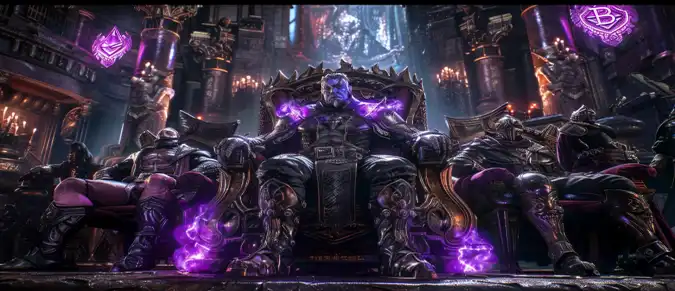

Heroes Battle Arena is a Web3 game in the turn-based strategy genre with RPG elements, where success depends not only on owning NFT assets but also on the ability to build effective tactics. Unlike many GameFi projects focused on quick profits, this game emphasizes combat mechanics, army development, and player interaction through guilds. The project uses a multichain approach and combines a free-to-start model with deeper progression through digital assets. This makes it appealing to both newcomers and experienced Web3 users.
Table of Contents
- Concept and Features of Heroes Battle Arena
- Gameplay and Combat System
- NFTs and In-Game Assets
- Economy and Tokens of Heroes Battle Arena
- Guilds, Premium Features, and Development
1. Concept and Features of Heroes Battle Arena
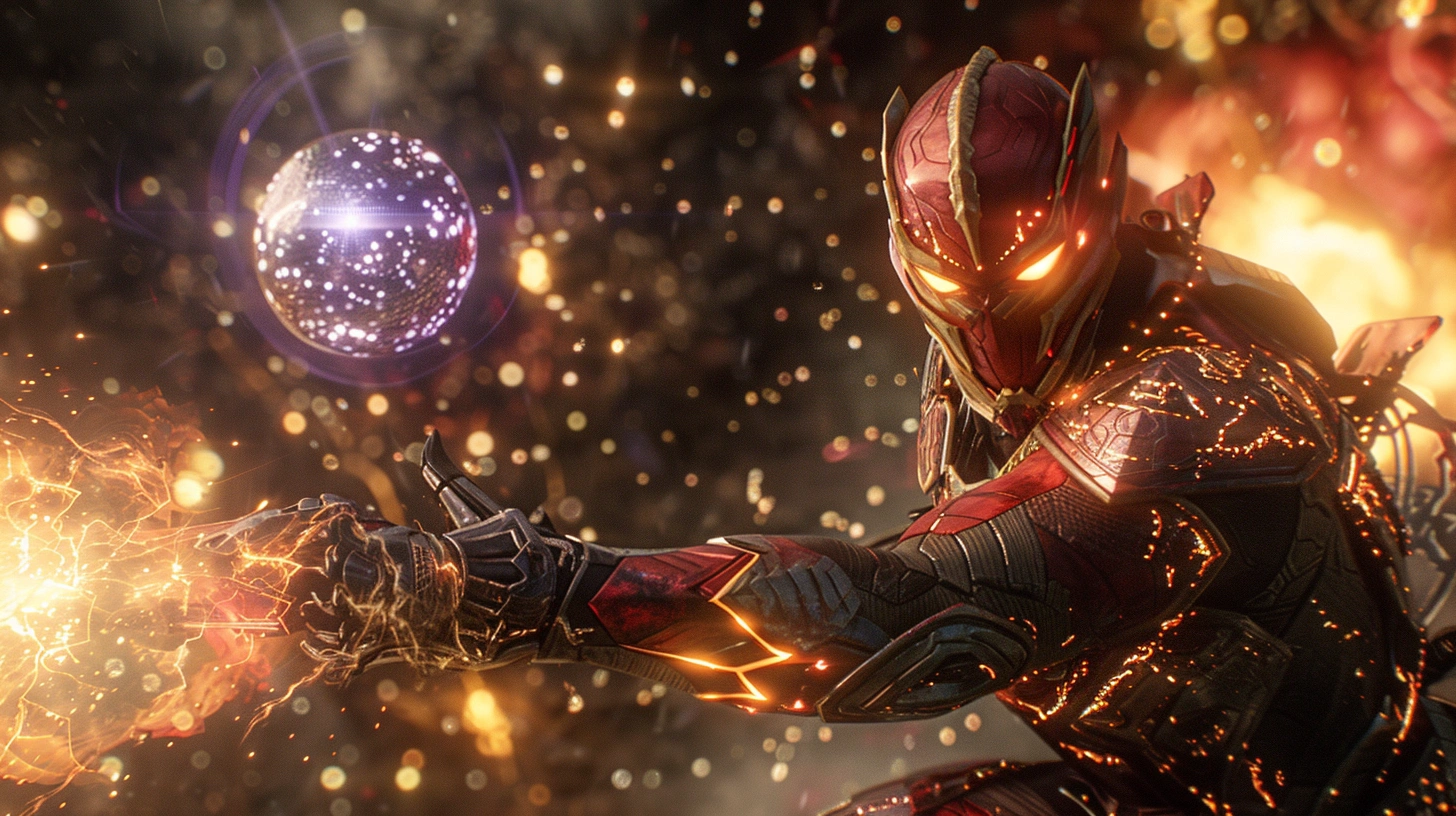
Heroes Battle Arena is designed as a strategic Web3 game where users can start without investments and gradually develop their army. This approach lowers the entry barrier and makes the product more accessible compared to early GameFi projects. The core idea is to combine classic gaming experience with blockchain infrastructure, ensuring asset ownership and a transparent economy.
The project follows a multichain model, integrating with multiple blockchain networks. This expands its audience and simplifies user interaction. In addition, such architecture enables flexible ecosystem scaling and adaptation to market changes.
Unlike games where NFT rarity is the main value, the focus here is on strategy. Players must not only own assets but also use them effectively in battles. This creates a more sustainable engagement model and reduces reliance on speculative interest.
The development team also focuses on community building and long-term player retention. This is reflected in regular updates and expansion of gameplay mechanics. Such an approach is typical for projects aiming for steady growth rather than short-term hype. As a result, a more stable user base is formed, which is especially important in the Web3 space where trust plays a key role.
2. Gameplay and Combat System
The gameplay is based on turn-based battles where each player controls their army. The base army consists of 100 units, but this number can be increased through special assets. A key feature is the diversity of units, each with unique attributes such as attack, speed, armor, range, and special abilities.
Units are divided into categories, including melee fighters, mages, and ranged attackers. This allows players to build different combinations and adapt to opponents’ strategies. Additionally, magic stones are available to strengthen your army or weaken enemies, adding depth to tactical decision-making. Victory is achieved by eliminating most of the opponent’s army, after which rewards are distributed among participants.
The balance system plays an important role, as different unit types perform better in specific situations. This encourages experimentation with army composition and strategy optimization. Random elements such as rewards or stones add variability to gameplay. As a result, each battle feels unique and requires adaptation. This increases replayability and keeps players engaged.
3. NFTs and In-Game Assets
In Heroes Battle Arena, NFTs serve a functional role and directly affect gameplay. They are used to expand army capabilities, gain unique bonuses, and access additional mechanics. This makes digital assets not just collectibles, but essential strategic tools.
- increasing maximum army size;
- access to god powers with unique effects;
- use of rare magic stones;
- participation in advanced game modes;
- enhancing unit attributes.
A special role is played by NFT-based gods representing different mythological pantheons. They provide rare abilities that can significantly influence battle outcomes. This adds depth to the collection aspect and makes progression more dynamic.
NFTs can also be used beyond battles. Some assets can be traded or exchanged within the ecosystem, adding extra value to ownership. Players receive not just items but tools for development. Over time, this increases the overall importance of digital assets within the game.
4. Economy and Tokens of Heroes Battle Arena
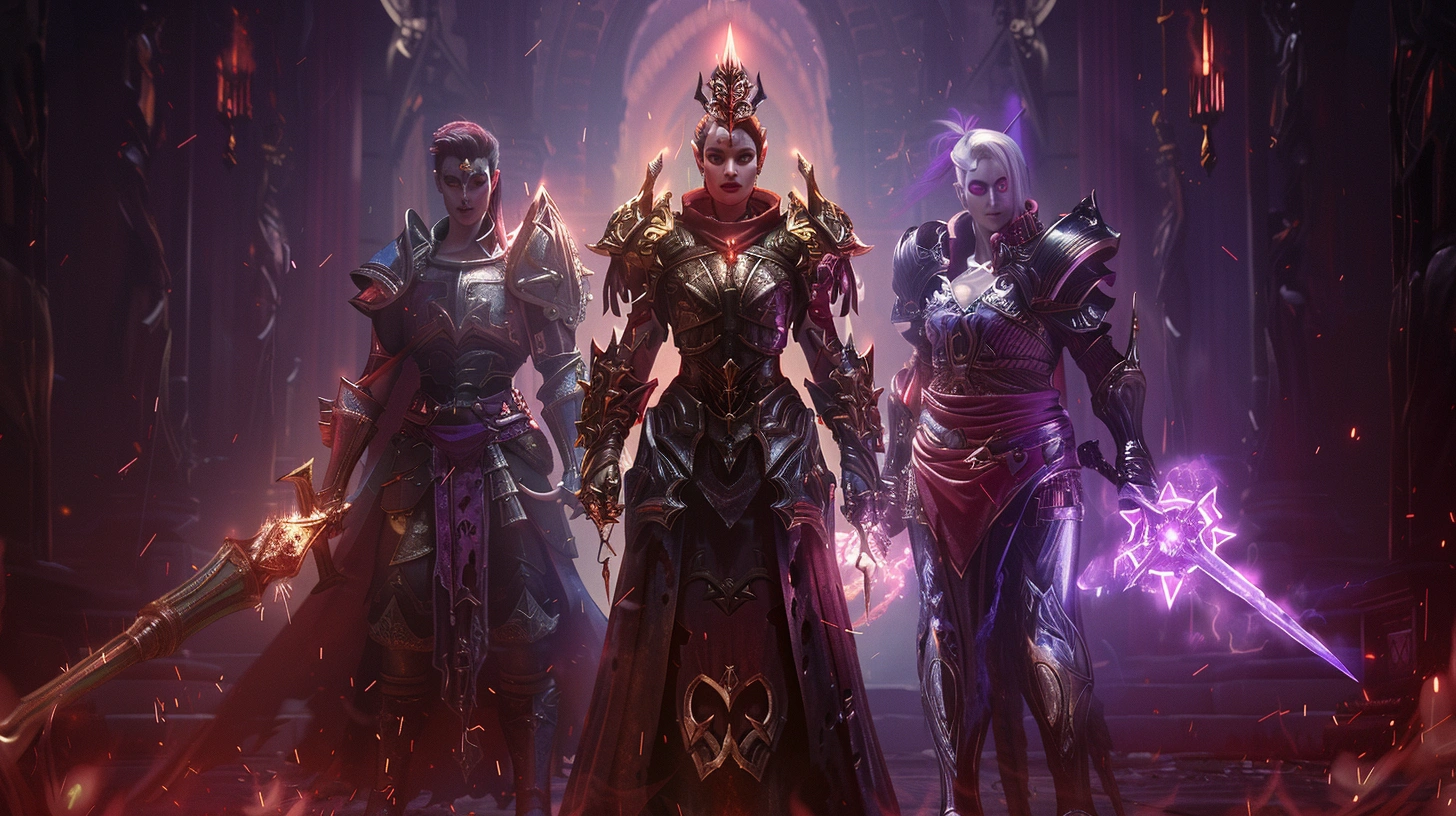
The project’s economy is built around the interaction between gameplay and tokens. The ecosystem uses multiple tokens, each serving a specific purpose. The main asset is linked to governance and rewards, while additional tokens support technical and operational processes.
| Token | Function | Usage |
|---|---|---|
| HBA | Main token | Rewards, guild participation, and ecosystem governance |
| NULS | Secondary token | Supports internal operations and infrastructure interactions |
| ISLM | Partner token | Used within integration with the HAQQ network |
Rewards depend on player activity. After each battle, a reward pool is created and distributed among participants, with winners receiving a larger share. This encourages skill development and strategic thinking.
The economy is further supported by guild interactions and in-game events, ensuring constant token circulation. Supply limitations also influence asset value, while the balance between inflation and demand remains crucial for sustainability. Proper economic tuning is essential for long-term project success.
5. Guilds, Premium Features, and Development
Guilds play a significant role in the ecosystem by bringing players together into communities with access to tournaments and additional rewards. Guild owners can set entry conditions and participate in revenue distribution, encouraging activity and growth within the game.
The premium model expands opportunities for advanced players by offering greater battle control, additional boosts, and access to rare resources. At the same time, the base version remains accessible, avoiding strong entry barriers for newcomers.
The project continues to evolve, planning new game modes, world expansion, and the launch of its own marketplace. The multichain architecture and partnerships provide further opportunities for scaling and growth, while regular events maintain engagement and competitive dynamics.
Ongoing updates and new mechanics help refresh balance and prevent stagnation, supporting long-term development. Heroes Battle Arena aims to build a balanced Web3 game where strategy and gameplay are central. The combination of tactical battles, functional NFTs, and a structured economy creates a solid foundation for future growth.











