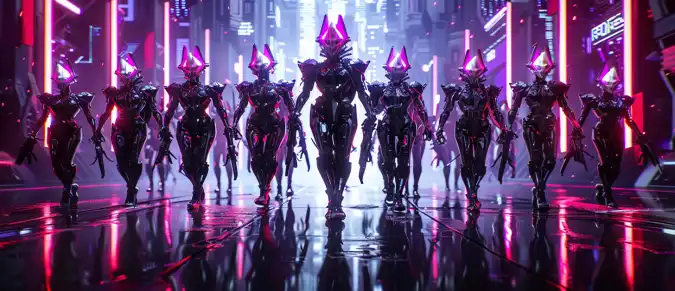

Kaby Arena is a Web3 game that aims to combine the familiar logic of mobile free-to-play projects with blockchain mechanics, NFTs, and an in-game economy. Unlike many early GameFi products where entry required purchasing assets, this project focuses on a smoother onboarding experience. This reduces the psychological barrier and makes the game accessible to a broader audience, not just crypto enthusiasts. Such an approach helps build a more sustainable and engaged player community.
Structurally, Kaby Arena resembles a tactical RPG with turn-based battles, hero collection, PvE campaigns, and PvP competition. However, what sets it apart is not just its blockchain integration. The project builds a layered model where gameplay, asset ownership, and economic participation are separated. This allows users to gradually explore Web3 features without being overwhelmed by complexity.
Contents
- What is Kaby Arena and its positioning
- Gameplay: PvE, PvP, heroes, and progression logic
- NFTs, asset rental, and free entry
- Token economy: KABY and KGT explained
- Strengths, limitations, and market position

1. What is Kaby Arena and its positioning
Kaby Arena is positioned as a turn-based NFT game with a free-to-play model and play-to-earn elements. This distinction is important because the project is not built around the simple idea of “buy a token and start earning.” Instead, it focuses on long-term engagement rather than quick profit. This reflects the evolution of the GameFi sector as a whole.
At its core, Kaby Arena is built on the idea that blockchain should enhance the value of time spent in the game rather than replace gameplay itself. This allows players to stay engaged even without participating in the economy. Users can enjoy the experience first and treat rewards as an additional layer of value. Such balance is essential for long-term retention.
It is also worth noting the involvement of Ziga Game Studio. Having a team with a gaming background increases trust in the project. It also suggests a more thoughtful approach to game design and player experience.
2. Gameplay: PvE, PvP, heroes, and progression logic
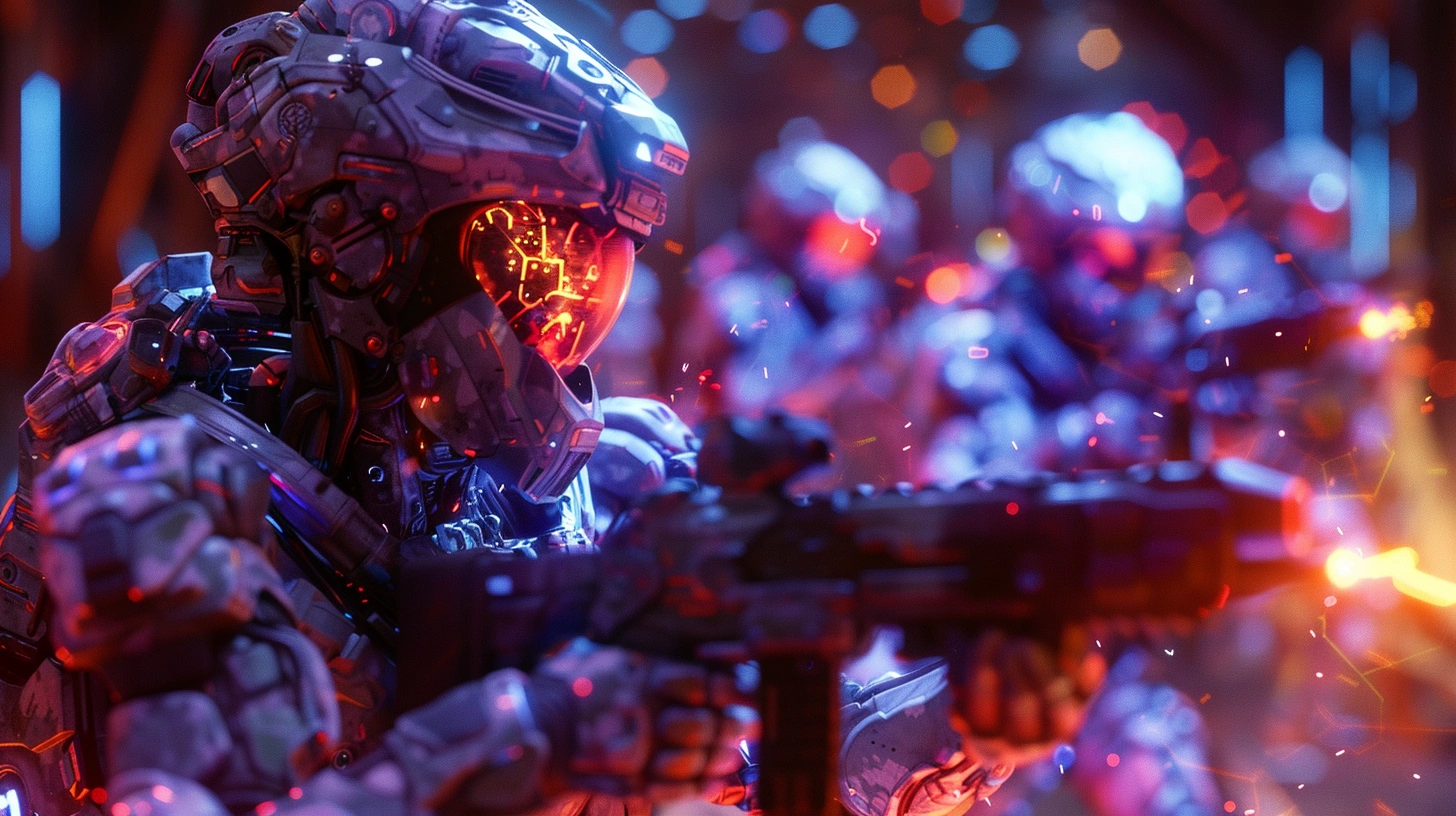
At its core, Kaby Arena is a tactical role-playing game with turn-based combat. Players collect heroes and use them across different modes. This format allows for strategic combinations and experimentation with team compositions. As a result, gameplay remains diverse and engaging.
The hero system plays a central role. Each character has unique abilities and attributes, which adds depth and directly impacts battle outcomes. This is especially important in PvP, where balance becomes a key factor in determining success.
The game also offers multiple difficulty levels. This helps maintain interest for both beginners and experienced players. Gradual progression ensures a more natural and rewarding gameplay experience.
What defines the gameplay loop
- PvE campaign;
- PvP arena;
- hero collection;
- loot boxes;
- tournaments.
This combination of mechanics creates a stable gameplay loop where different modes complement each other. PvE provides resources and progression, while PvP introduces competition and motivation to improve teams. Loot boxes and hero collection maintain engagement through randomness and progression. Together, these elements create a dynamic experience that can retain player interest over time.
3. NFTs, asset rental, and free entry
One of the key features of Kaby Arena is that purchasing NFTs is not required at the start. This makes the game more accessible. Players can first learn the mechanics and only later decide whether to invest. Such a model reduces financial risk and creates a more comfortable onboarding experience.
This approach also reduces economic pressure on players. Users are not forced to invest immediately, which helps build a more loyal audience. Engagement grows naturally rather than being driven purely by financial incentives.
NFT rental further increases system flexibility. It allows players to use stronger assets without purchasing them, which is especially helpful for beginners. In addition, rental creates a new layer of interaction within the ecosystem. Asset owners can monetize their NFTs without selling them, while others can experiment with different strategies. This increases engagement and makes the economy more dynamic, contributing to a more balanced distribution of resources.
4. Token economy: KABY and KGT explained
Kaby Arena uses a dual-token model. This separates functions within the game. One token supports the ecosystem, while the other is used for gameplay. This structure reduces pressure on a single asset.
KABY is used for strategic actions and is tied to NFTs and governance. KGT is used in daily operations such as rewards and purchases. This division makes the economy more flexible and efficient. It also helps reduce inflation risks and improves long-term sustainability.
Token table
| Token | Role | Functions |
|---|---|---|
| KABY | Ecosystem | NFT, governance |
| KGT | In-game | Rewards, purchases |
This model allows for a clearer distribution of economic load between tokens and reduces overheating risks. Active gameplay drives KGT circulation, while KABY retains strategic value within the ecosystem. This creates a balance between short-term activity and long-term participation. As a result, the economy becomes more устойчивой and adapts better to player behavior.
5. Strengths, limitations, and market position
The main advantage of Kaby Arena is accessibility. The game does not require upfront investment, lowering the entry barrier and expanding its audience. This approach attracts not only crypto users but also traditional gamers, supporting ecosystem growth. NFT rental and the dual-token model further strengthen this foundation.
These mechanics create a more flexible economy and allow users with different resource levels to participate. As a result, the system becomes more balanced and efficient. However, the project still faces common Web3 challenges. Its success depends on maintaining a balance between gameplay and economy. Weak content or token imbalance can reduce player retention.
This is a general risk for GameFi projects. Overall, Kaby Arena reflects the industry's shift from pure earning models to more complex systems. Here, tokens do not replace gameplay but enhance it, adding extra value for players.











