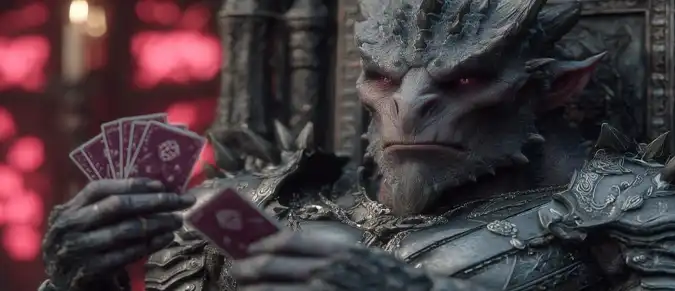

Legends Reborn: Age of Chance is a Web3 collectible card strategy game developed within the Gala Games ecosystem. The project combines classic deck-building mechanics with NFT assets, 3D animations, and blockchain-based economics. Players collect creatures, use tactical cards, participate in PvP battles, and gradually expand their collection within the fantasy world of Tolkheim. Unlike many blockchain projects, Legends Reborn focuses not only on earning opportunities but also on deep gameplay centered around strategy, card combinations, and competitive matches.
Contents
- Concept and Features of Legends Reborn
- How the Gameplay Works
- Core Mechanics and Player Features
- Tokens, NFTs, and the In-Game Economy
- Project Potential and the Role of Legends Reborn in Web3 Gaming
1. Concept and Features of Legends Reborn
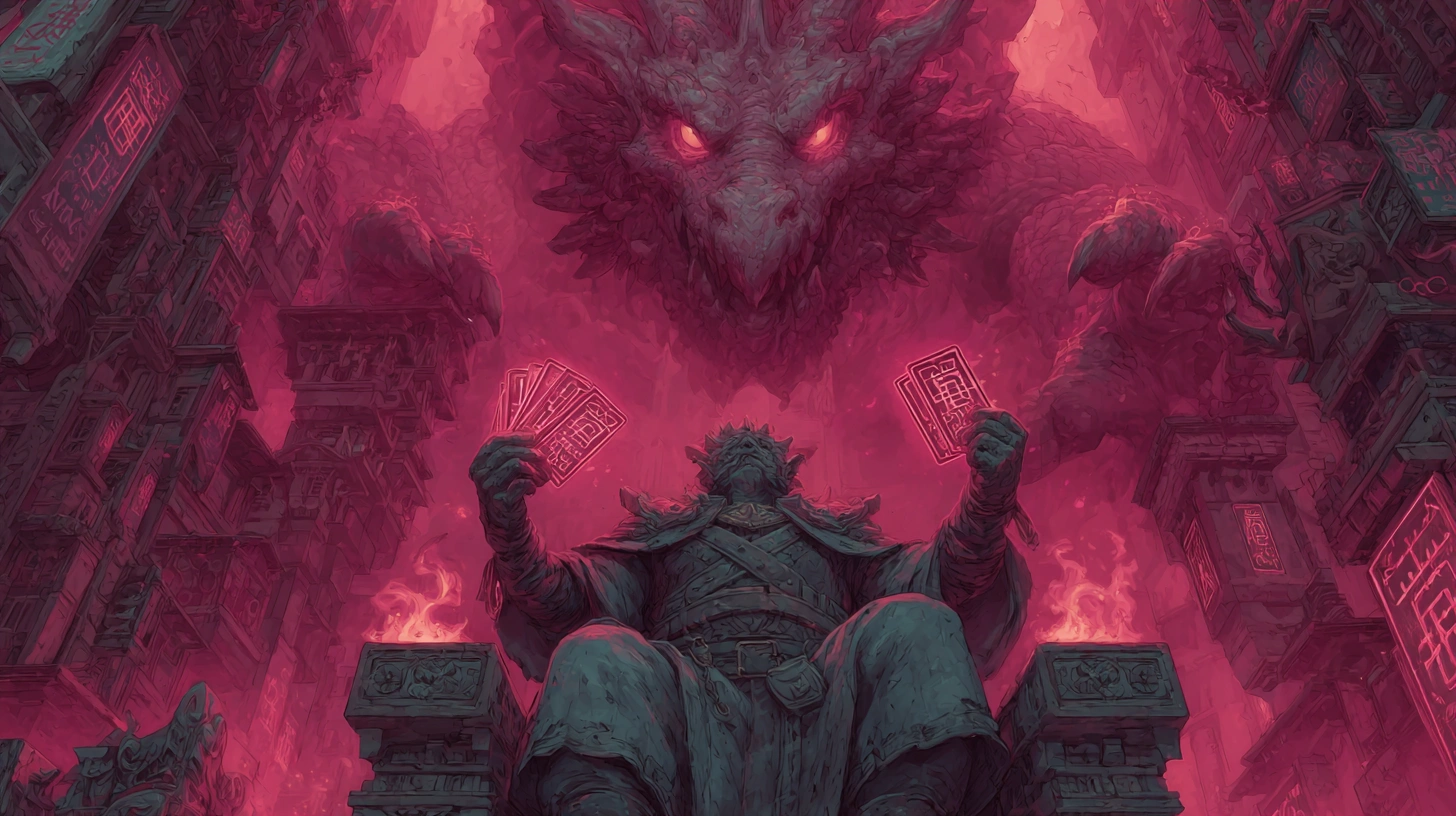
Legends Reborn is a collectible card game that combines strategic battles with Web3 technology. The story takes place in the world of Tolkheim, where conflicts are resolved through a magical game called Chance. Players build decks, choose heroes, and compete against other users or AI opponents. The main goal of the project is to merge the traditional digital card game format with NFT ownership and blockchain functionality.
The developers emphasized that blockchain should enhance gameplay rather than replace it. Because of this, players can start for free without purchasing NFTs. Users first learn the mechanics and experiment with decks before deciding whether they want to interact with tokenized assets.
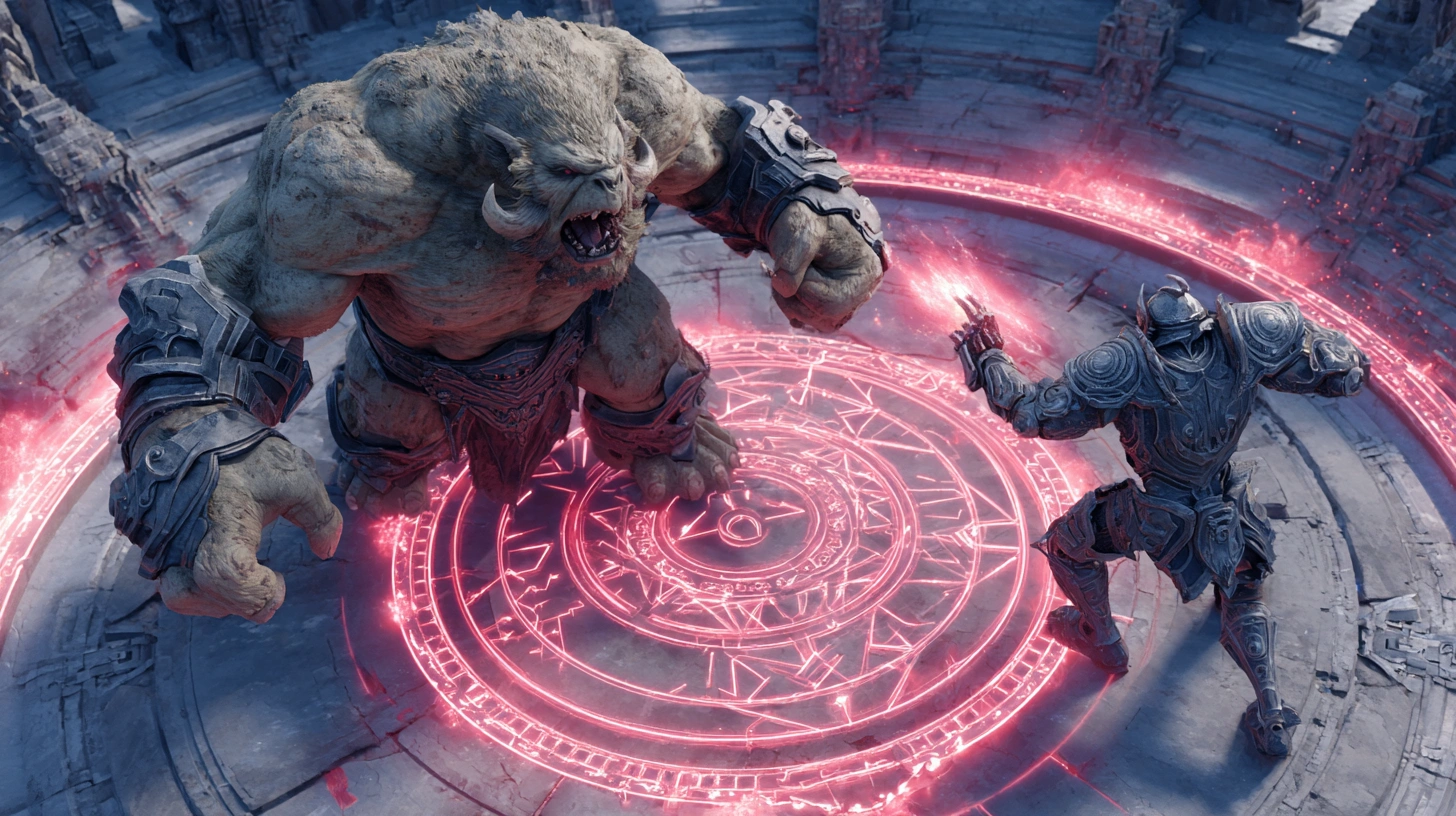
Another important feature of Legends Reborn is its visual presentation. The game includes fully animated 3D heroes and creatures instead of static card images. Battles feature dynamic combat animations, making the project feel closer to modern online games than traditional browser-based card strategies. Within the Gala Games ecosystem, Legends Reborn occupied the niche of a competitive Web3 strategy game aimed at both card game fans and NFT or play-to-earn audiences.
2. How the Gameplay Works
The core of Legends Reborn gameplay revolves around deck building and tactical PvP matches. Before each battle, players select a hero and prepare a set of cards. The standard system includes creature cards and action cards. Creatures act as the main combat force, while action cards help strengthen allies, control the battlefield, or change the pace of the match.
Card synergy plays a major role in success. Even rare creatures cannot guarantee victory if the deck lacks strategy. Some combinations are designed for aggressive gameplay, while others focus on defense and control. Because of this, understanding mechanics and timing is just as important as owning powerful cards.
Matches are built around gradually gaining an advantage. Players must consider card order, enemy resources, and possible combinations. This makes every battle feel different, even when using similar decks. Decision-making often determines the outcome more than raw card rarity.
In addition to PvP, the game also includes training and PvE modes. These modes help beginners learn the mechanics and test decks without risking rank progression. The progression system gradually unlocks new cards and improves collections, creating a sense of long-term development.
3. Core Mechanics and Player Features
Legends Reborn combines several gameplay systems that provide players with more than simple card battles and create a full collection progression experience.
One of the most interesting mechanics is the crafting system. Players can recycle duplicate cards and create more useful ones. This allows collections to grow through resource management rather than pure randomness, making progression feel more balanced.
- building custom decks for different playstyles;
- using heroes with unique abilities and tactical roles;
- participating in PvP battles and seasonal rankings;
- earning new cards through rewards, packs, and progression;
- crafting creatures and recycling unwanted items;
- using NFT cards and collectible creatures;
- owning in-game venues through Venue Ownership;
- taking part in seasonal events within the Gala Games ecosystem.
The presence of NFT creatures with different rarity levels adds extra depth to the game. Some cards have limited availability and may attract collectors. At the same time, the developers attempted to maintain balance between free players and owners of rare assets so the game would not become heavily pay-to-win.
4. Tokens, NFTs, and the In-Game Economy
The economic model of Legends Reborn is built around the $TOLK reward token, NFT assets, and a seasonal reward system. According to the developers, the token is connected to collection progression, creature acquisition, and player activity within the game world. Reward generation depends on community engagement rather than unlimited token emissions.
| Element | Purpose | Role in the Game |
|---|---|---|
| $TOLK | Main reward token | Used for collection progression and seasonal rewards |
| Dragon Stones | In-game resource | Used to purchase packs and influence the project economy |
| NFT Creatures | Collectible creatures | Used in decks and may have market value |
| Venue NFT | In-game venues | Allow players to participate in game infrastructure |
| Action Cards | Tactical action cards | Create combinations and battlefield control |
The reward system in Legends Reborn was based on seasonal competition. Players participated in PvP matches, increased activity, and influenced future reward pools. This approach was designed to support long-term engagement and create a more sustainable in-game economy.
NFT assets also play an important role. Unlike regular online game items, these creatures or venues can belong to players as digital property. Users can store, trade, or use them within the Gala Games ecosystem. However, the value of such assets depends heavily on community activity and the overall state of the project.
5. Project Potential and the Role of Legends Reborn in Web3 Gaming
Legends Reborn demonstrated how Web3 technology can enhance classic card games without shifting the focus entirely toward earning mechanics. The project combined PvP battles, collection systems, NFT ownership, and a seasonal economy while preserving the core of the genre — strategy, deck building, and tactical gameplay. Because of this, the game felt closer to traditional digital TCGs than many play-to-earn projects.
At the same time, the project depended heavily on community activity, the NFT market, and regular updates. For card games, this is especially important because player interest is directly connected to balance changes, new content, and evolving metas. Despite its uncertain development status, Legends Reborn remains an interesting example of how blockchain can expand player opportunities through digital ownership and game economies without destroying traditional gameplay foundations.
In addition, Legends Reborn showed an attempt to make Web3 gaming more accessible through free entry and understandable mechanics. Players could explore the game without mandatory NFT purchases, which helped the project stand out from many early blockchain games. The visual style, 3D animations, and collection systems also contributed to long-term player engagement. Even today, Legends Reborn remains a notable example of how card strategies can integrate NFT infrastructure and digital economies.











