

MetaLine is a Web3 game that combines elements of maritime strategy, economic simulation, and NFT infrastructure. The project allows players to manage their own ports, develop trade routes, upgrade ships, and participate in the digital economy of a metaverse. Unlike many blockchain games, MetaLine focuses not only on play-to-earn mechanics but also on deep gameplay connected to logistics, trading, and infrastructure management. Users interact with NFT assets, build transportation networks, and gradually expand their influence within the virtual world.
Contents
- Concept and Features of MetaLine
- Gameplay and Building a Maritime Empire
- Core Mechanics and Player Features
- Tokens, NFTs, and the In-Game Economy
- MetaLine’s Potential and Final Thoughts
1. Concept and Features of MetaLine
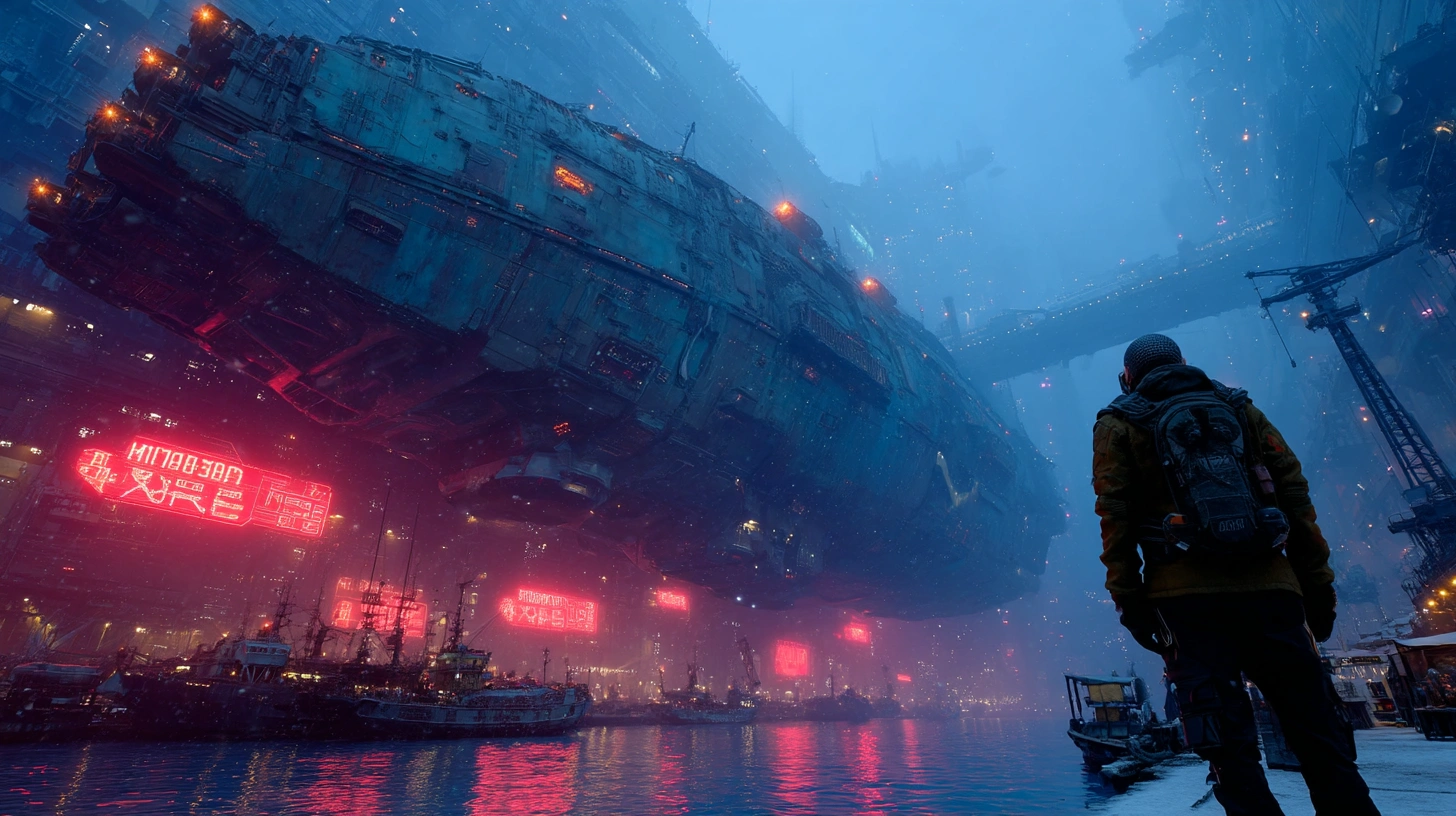
MetaLine is a Web3 project built around the concept of digital maritime trade and logistics. Players manage ports, ships, and transport routes while gradually expanding their influence within the metaverse. Unlike many blockchain games focused mainly on token farming, MetaLine places strategic infrastructure development and resource management at the center of the experience.
The world of MetaLine combines elements of the modern shipping industry with a futuristic metaverse setting. Players do not simply complete missions but effectively build their own trading empire. Efficient growth requires balancing route profitability, fleet condition, and the economic situation inside the game world. Because of this, MetaLine feels closer to economic simulators and management strategies than to standard play-to-earn projects.
The developers also focused on long-term progression. Players begin with a small fleet and limited routes before gaining access to more advanced operations, rare ships, and large-scale infrastructure. This gradual progression system helps maintain player engagement and creates a more natural sense of development.
2. Gameplay and Building a Maritime Empire
The core gameplay of MetaLine revolves around managing maritime transportation and logistics. Players start with a basic fleet and gradually expand their own trade network. The main objective is to transport resources efficiently between different locations in the metaverse. To achieve this, users must upgrade ships, unlock new routes, and improve infrastructure productivity.
Strategic planning plays a major role in the game. Some routes may generate high profits but require expensive fleet maintenance and protection. Other routes are safer and more stable but provide lower returns. Players must balance risk and efficiency in order to strengthen their influence within the game economy.
MetaLine also includes player interaction systems. Users can compete for control over certain regions, participate in economic events, and form trading alliances. This makes the in-game economy more dynamic and influenced by community activity rather than automated systems alone.
Port development is another important aspect of the game. Players can upgrade infrastructure, increase cargo processing speed, and unlock additional features. This creates a strong sense of progression and makes MetaLine deeper than many traditional Web3 projects.
3. Core Mechanics and Player Features
MetaLine combines several gameplay systems, allowing the project to merge strategy mechanics, economic simulation, and metaverse elements into a single experience.
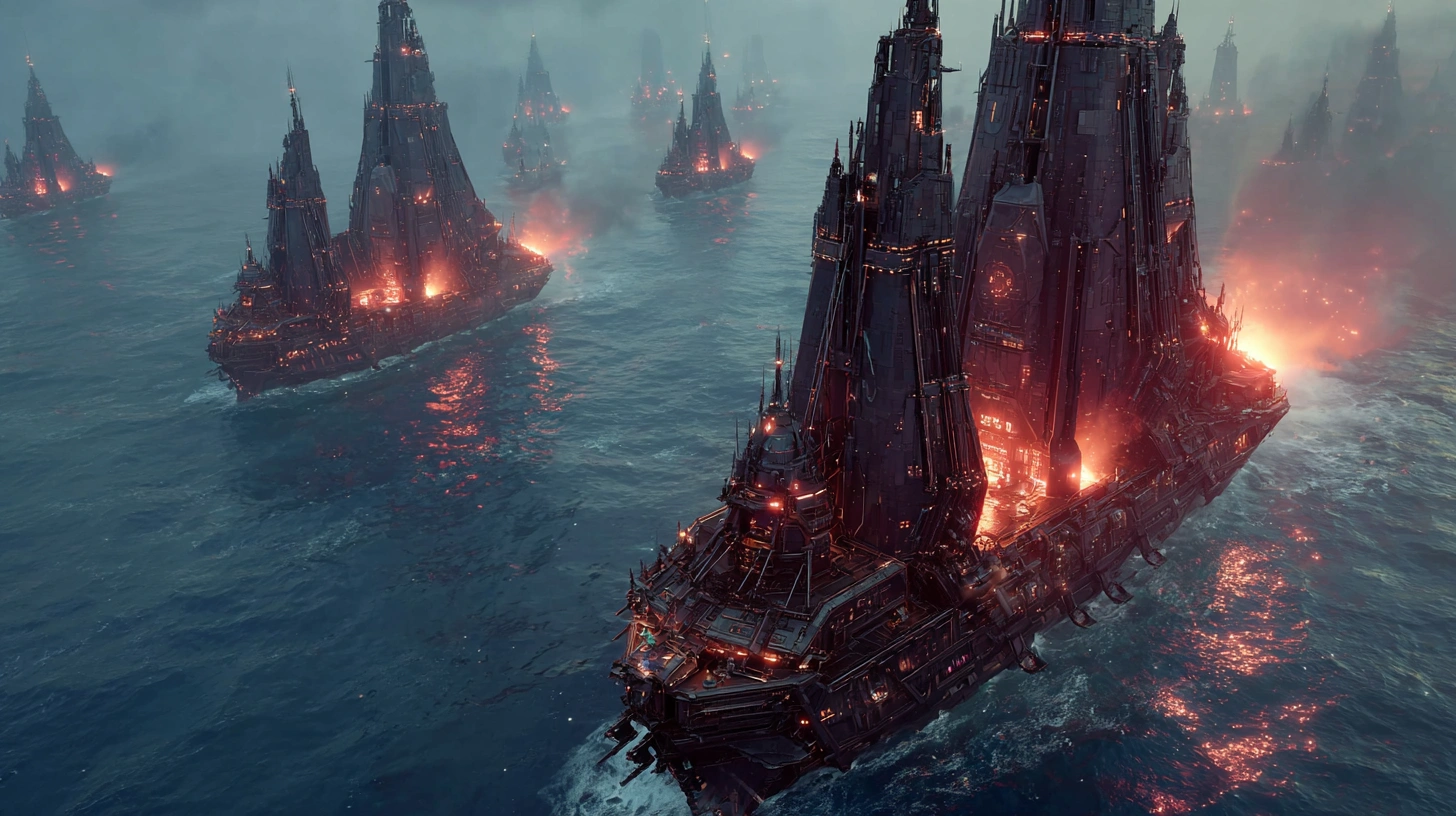
One of the key features of the project is the NFT ship system. Players can own different types of vessels with unique speed, cargo capacity, and efficiency characteristics. Some ships have limited availability, making them valuable for collectors and participants in the in-game economy.
- managing a personal NFT fleet;
- creating and expanding trade routes;
- upgrading ports and infrastructure;
- participating in economic competition between players;
- using NFT ships with different characteristics;
- developing logistics networks inside the metaverse;
- trading resources and digital assets;
- earning rewards through economic activity and development.
MetaLine gains additional depth through its combination of strategic and social mechanics. Players can interact through trading, competition, or cooperative route development. This helps create a more active metaverse and encourages the growth of a strong community.
4. Tokens, NFTs, and the In-Game Economy
The economic model of MetaLine is built around NFT assets, in-game resources, and a tokenized ecosystem. The developers view the digital economy as a key part of the metaverse, where value is created through player activity, trade, and infrastructure growth.
NFT ships are not only collectible items but also functional assets inside the game. Ship characteristics directly affect route speed, transportation volume, and potential profit. Because of this, digital assets are closely connected to gameplay progression and strategic decision-making.
| Element | Purpose | Role in MetaLine |
|---|---|---|
| MLT Token | Main ecosystem token | Used for rewards, transactions, and economic interactions |
| NFT Ships | Digital ships | Used for logistics, transportation, and trade operations |
| Ports | Port infrastructure | Allows players to improve routes and economic efficiency |
| Resources | In-game materials | Used for upgrades, development, and trading |
| Marketplace | In-game trading platform | Allows players to exchange NFTs and economic assets |
The in-game marketplace also plays an important role. Players can sell ships, resources, and other NFT assets while forming market-driven prices. However, the economy depends heavily on community activity and the state of the cryptocurrency market, which is why the developers aim to maintain balance between gameplay and financial systems.
5. MetaLine’s Potential and Final Thoughts
MetaLine demonstrates one possible direction for Web3 gaming where blockchain technology enhances a complete gameplay system rather than replacing it. The project combines economic strategy, NFT infrastructure, and metaverse elements while keeping logistics, trade, and maritime empire management at the center of the experience. This allows MetaLine to stand apart from many blockchain games focused only on tokens and short-term earnings.
A major strength of the project is its combination of multiple gameplay genres. Players can manage fleets, expand infrastructure, trade resources, and interact with other users. This creates a deeper gameplay loop and helps maintain long-term player engagement.
At the same time, MetaLine’s future depends heavily on community activity, stable tokenomics, and regular updates. Despite the risks associated with the crypto market, the project remains an interesting example of how NFTs and digital economies can be integrated into economic strategy games without abandoning traditional gameplay foundations.











