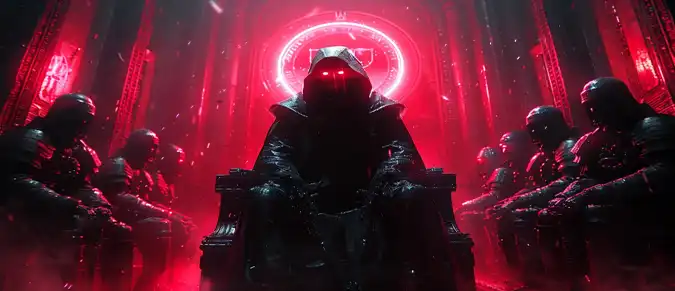

Underground Society is a Web3 project that combines RPG mechanics, NFT assets, and a digital economy within a unified cyberpunk universe. The game transports players into a futuristic megacity where influence is controlled by underground factions and the struggle for resources becomes part of a large-scale metaverse. The project combines PvP interaction, character progression, strategy elements, and GameFi mechanics, allowing users not only to participate in conflicts but also to own in-game assets through blockchain technology. Underground Society focuses on the atmosphere of a digital underground world, social interaction, and long-term community development.
Contents
- Underground Society Concept and Structure
- Gameplay and Interaction Mechanics
- NFT and Web3 Infrastructure
- Underground Society Economy and In-Game Assets
- Project Development and Future Potential
1. Underground Society Concept and Structure
Underground Society is designed as a Web3 universe with cyberpunk dystopian elements where players become part of a digital underground society. The foundation of the project includes factions, territory control, in-game resources, and NFT assets. Players are able not only to develop characters but also to influence the balance of power inside the virtual megacity.
The game world is built around a dark futuristic city where different organizations compete for influence and access to resources. Players interact with the in-game economy, participate in PvP conflicts, and complete missions while gradually strengthening their positions within the ecosystem.
One of the key features of Underground Society is the combination of RPG mechanics and social strategy elements. Unlike many Web3 projects, the game focuses not only on digital assets but also on player interaction. This creates a more dynamic environment where community decisions influence the evolution of the virtual world.
The developers also pay close attention to atmosphere and visual style. Cyberpunk aesthetics, neon megacities, and faction-based conflicts create the feeling of a complete digital metaverse with its own rules and social structure.
2. Gameplay and Interaction Mechanics
Gameplay in Underground Society revolves around character progression, faction interaction, and control over in-game resources. Players complete missions, participate in PvP battles, and gradually expand the influence of their organization. Character development is important, but teamwork and social coordination also play a major role.
The project combines RPG elements, strategy systems, and social competition. Players can choose their own development paths, specialize in different roles, and interact with other members of the ecosystem. This approach makes gameplay more flexible and encourages long-term engagement.
- character and faction progression;
- PvP battles and territory control;
- missions and in-game objectives;
- interaction with NFT assets;
- seasonal events and ranking systems;
- social and economic ecosystem development.
Underground Society strongly focuses on player interaction and community influence within the game world. Many mechanics are connected to collective actions, resource distribution, and the struggle for dominance inside the virtual city. As a result, the project aims to create a living metaverse where player decisions truly matter.

3. NFT and Web3 Infrastructure
The technological foundation of Underground Society is based on blockchain technology and NFT assets. Characters, territories, items, and equipment exist as digital objects with unique characteristics and rarity levels. This approach gives players direct ownership over parts of the game world.
NFTs in Underground Society are not limited to collectible purposes. Some assets influence character progression, faction status, and access to specific ecosystem features. Because of this, digital objects become part of gameplay and progression systems rather than simple cosmetic additions.
The project also uses Web3 mechanics to support the in-game economy and player interaction. Users can trade NFT assets, build collections, and participate in shaping the digital ecosystem connected to the life of the virtual society.
The developers aim to make blockchain interaction more accessible for mainstream audiences. As a result, Web3 features are integrated gradually and do not overload the core gameplay with complicated technical systems.
4. Underground Society Economy and In-Game Assets
The economic model of Underground Society is built around NFT assets, in-game resources, and utility tokens used for interaction within the platform. The ecosystem combines RPG mechanics, PvP activity, and digital economy systems into a unified structure focused on character and faction development.
In-game assets play an important role in user progression and community growth. Players can collect rare items, strengthen characters, and interact with the project’s economic systems. This makes digital assets a core part of gameplay rather than just tradable collectibles.
| Asset | Type | Purpose | Role in the Ecosystem |
|---|---|---|---|
| NFT Characters | Gaming NFTs | Character progression | Core playable assets |
| Faction Assets | NFT Assets | Territory control | Influence inside the game world |
| Utility Token | In-game Token | Rewards and operations | Supports the platform economy |
| Rare Items | NFT Items | Progression upgrades | Character and collection development |
The developers view tokenomics as the foundation of long-term community activity. Players can complete missions, develop factions, collect NFT assets, and interact with the project’s digital economy. The economic system also supports the competitive aspect of the ecosystem and encourages player participation in the development of the metaverse.
5. Project Development and Future Potential
Underground Society is developing at the intersection of RPG, Web3, and GameFi, combining social competition, digital ownership, and a cyberpunk atmosphere. This approach helps the project stand out among many blockchain games focused mainly on economic mechanics.
One of the advantages of Underground Society is its faction system and strong player interaction mechanics. This creates a more dynamic game world where community actions directly influence the balance of power inside the metaverse. The future success of the project will depend on content quality, economic stability, and long-term community engagement.
In the future, Underground Society may expand through new PvP systems, additional game zones, NFT collections, and social features. Large-scale faction conflicts and community-driven events could further strengthen player engagement and deepen the competitive environment. By combining RPG mechanics, NFTs, and GameFi systems, the project aims to create a long-term metaverse with an active player community.











