

Immersys — is a Web3 project that builds a multi-layered metaverse focused on MMORPG gameplay, practical NFT utility, and a sustainable on-chain economy. Unlike most NFT games, where digital assets are limited to collectible roles, Immersys creates a full-fledged game environment in which NFTs become tools for progression, access, and interaction. The project combines an open virtual world, social mechanics, PvE and PvP elements, and the WAX blockchain infrastructure, positioning Immersys as an attempt to build a functional NFT metaverse focused on long-term gameplay rather than speculation.
- Immersys — A New-Generation NFT Metaverse and Web3 MMORPG
- Game Architecture and Technological Foundation on the WAX Blockchain
- Immersys Gameplay Model: Mechanics, Roles, and NFT Utility
- Project Economy: Assets, Rewards, and In-Game Processes
- Immersys Development, Community, and Strategic Direction
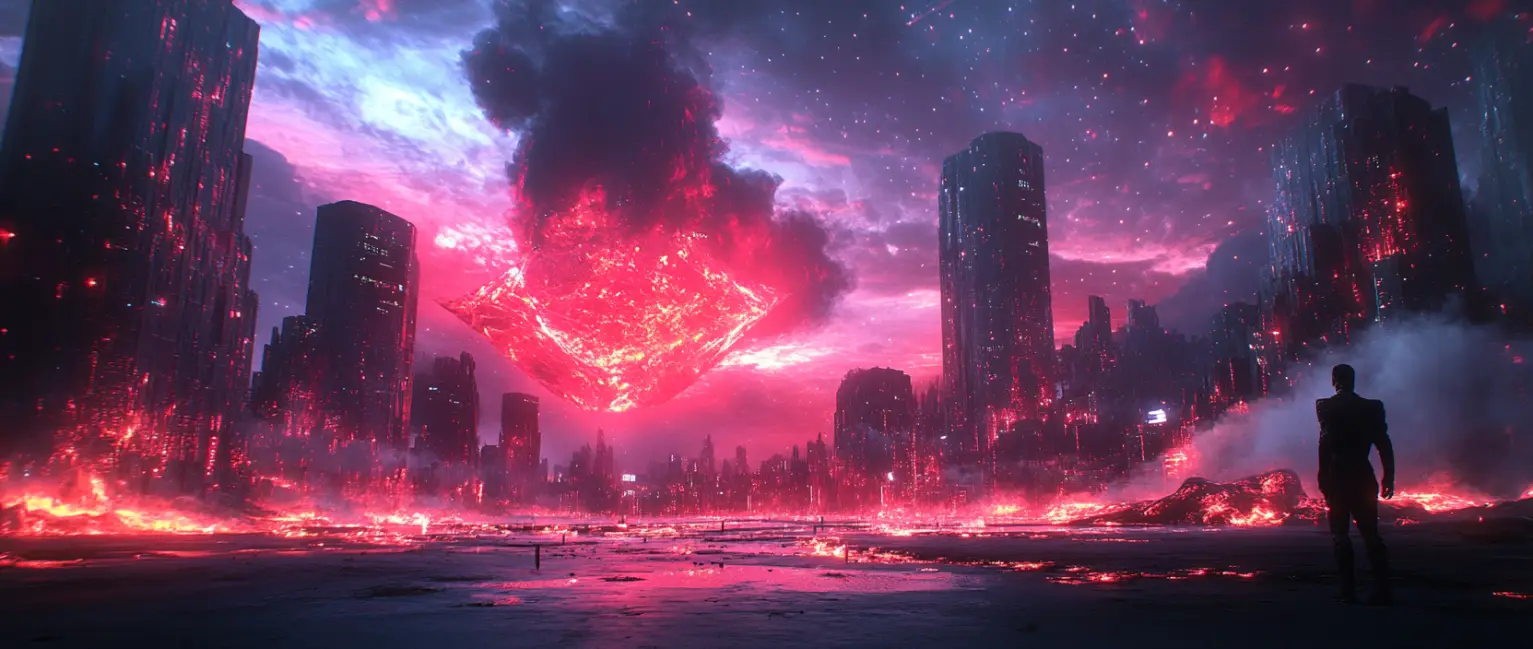
Immersys — A New-Generation NFT Metaverse and Web3 MMORPG
Immersys is positioned as a multiplayer metaverse where gameplay is closely tied to digital asset ownership. The project combines the principles of classic MMORPGs — world exploration, character progression, quest completion, and social interaction — with blockchain capabilities. At the core of the concept lies the idea of “living NFTs”: each token has a functional purpose within the virtual world rather than existing separately from gameplay.
The Immersys metaverse is built as a shared space where users interact with each other, the environment, and the on-chain economy. A strong emphasis is placed on social dynamics: players form groups, participate in cooperative activities, exchange assets, and influence economic processes within the world. This approach aligns Immersys with traditional MMO games while adding a layer of decentralized ownership that is absent in conventional gaming ecosystems.
Game Architecture and Technological Foundation on the WAX Blockchain
The technological backbone of Immersys is the WAX blockchain, designed for mass NFT adoption and gaming use cases. This network was chosen for its high throughput, low transaction fees, and mature infrastructure for digital assets. WAX enables large volumes of transactions to be processed with minimal friction, which is critical for a multiplayer game environment.
Within the Immersys architecture, the blockchain handles asset ownership, NFT verification, and economic transactions, while the game client delivers the visual and interactive experience. This hybrid approach preserves performance and usability without overloading gameplay with on-chain operations. NFTs in Immersys include metadata that defines their functionality, such as zone access, combat usage, crafting participation, or activation of special mechanics. As a result, blockchain technology is embedded directly into the game logic rather than functioning as an external layer.
Immersys Gameplay Model: Mechanics, Roles, and NFT Utility
The Immersys gameplay loop revolves around world exploration, quest completion, and interaction with other players. Users do not simply control a character but shape their role within the ecosystem — explorer, fighter, trader, or collector. NFT assets directly influence these roles by determining available capabilities and playstyles.
Key gameplay mechanics in Immersys include:
-
using NFTs as equipment and tools;
-
accessing unique locations through ownership of specific tokens;
-
participation in PvE and PvP activities with on-chain rewards;
-
completing quests and events tied to NFT-based conditions;
-
social interaction and cooperative gameplay.
Each of these elements reinforces the idea that NFTs are not an external monetization layer but an integral part of the game logic. Rather than appearing fragmented, the mechanics form a cohesive system in which asset ownership defines progression strategies. This design places Immersys closer to a full-featured MMORPG than to typical GameFi projects.
Project Economy: Assets, Rewards, and In-Game Processes
The Immersys economic model is built around NFTs and in-game resources that can be used, upgraded, and exchanged. The economy goes beyond simple “earning” mechanics, forming a cycle of value creation, consumption, and redistribution within the metaverse.
| Economic Element | Role in the Immersys System |
|---|---|
| NFT items | Equipment, zone access, event participation |
| In-game resources | Crafting, upgrades, and character progression |
| Activity rewards | Incentives for quests and events |
| Asset trading | Formation of a secondary market |
| Economic interaction | Link between players and content |
The table illustrates that Immersys features a multi-layered economy rather than relying on a single token or mechanic. Each element serves a functional role, and together they create a sustainable model where value emerges through active participation. This reduces dependence on speculative demand and brings the economy closer to traditional game ecosystems.
Immersys Development, Community, and Strategic Direction
The community plays a central role in the evolution of Immersys. The project is designed to actively involve players and NFT creators who populate the metaverse with content and assets. This approach allows the ecosystem to grow organically without rigid centralization. User feedback is used to refine gameplay mechanics and economic parameters.
The strategic direction of Immersys focuses on expanding metaverse functionality, increasing the number of supported NFT collections, and developing social interaction scenarios. Gradually, the project is moving toward a universal Web3 platform where users can not only play but also create their own interaction models, content, and economic relationships. In the long term, Immersys aims to occupy a space between classic MMORPGs and decentralized metaverses, offering a model in which blockchain technology enhances gameplay rather than replacing it.











