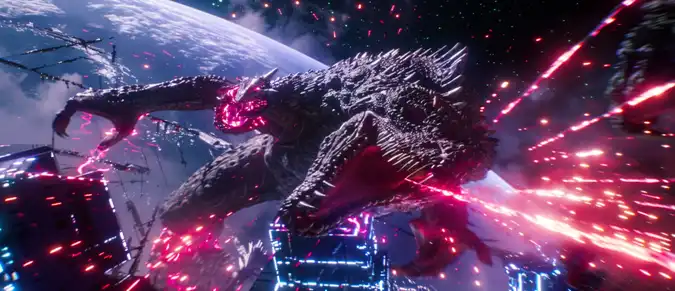

Web3 games are shaping a new paradigm of interaction with digital assets, where players become full participants in the economy. Kaiju Worlds is one of the projects demonstrating this transition in practice. It combines NFT technology, strategic gameplay, and decentralized ownership mechanics. Players control unique creatures, develop them, and engage in an ecosystem where every asset has real value. This approach transforms gaming from simple entertainment into a полноценная digital ecosystem.
Table of Contents
- General Concept of Kaiju Worlds
- Gameplay and Core Mechanics
- Economy and Tokenomics of Kaiju Worlds
- Technological Architecture
- Project Development Prospects
1. General Concept of Kaiju Worlds
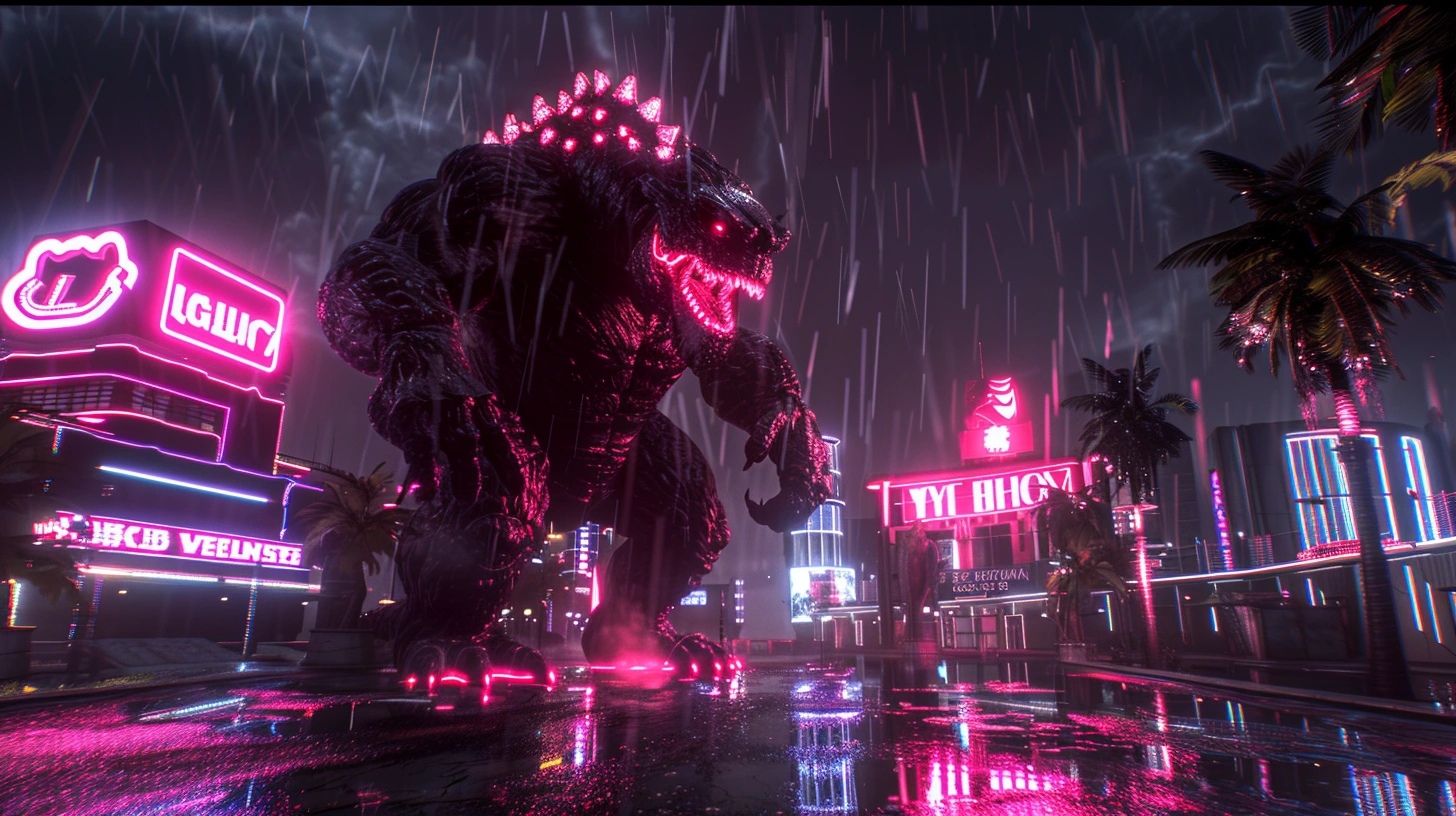
Kaiju Worlds is a Web3 game built around managing digital creatures known as kaiju. These characters are NFT assets, ensuring their uniqueness and true ownership by players. Unlike traditional gaming models, users gain full control over their resources and can utilize them beyond the game itself.
The project combines elements of strategy, collecting, and economy. Players not only develop their characters but also influence the value of in-game assets. This is achieved through limited supply and demand shaped by the community. Such a model increases engagement and encourages long-term participation.
It is important to note that Kaiju Worlds aims to build a sustainable ecosystem where value is created not only by developers but also by users. This makes the project part of a broader Web3 infrastructure.
The platform emphasizes transparency in all processes, which is crucial for users who value control over their assets. This builds trust within the community. Over time, the game evolves into more than just entertainment, becoming a space for digital economy. This approach attracts both players and investors.
2. Gameplay and Core Mechanics
The gameplay in Kaiju Worlds revolves around interaction with NFT creatures. Each kaiju has unique characteristics that can be upgraded and used in different game modes. Players participate in missions, events, and other activities, earning rewards for their engagement.
A key feature is social interaction. Users can trade assets, collaborate on tasks, and compete with each other. This creates a dynamic environment where success depends not only on rarity but also on strategy.
- Collecting and upgrading unique NFT creatures
- Participating in missions and in-game events
- Trading assets on integrated marketplaces
- Earning rewards through activity
- Interacting with other players
This gameplay structure merges entertainment with economic elements, creating a deeper user experience.
Additionally, the game continues to introduce new modes, increasing variability and replayability. This helps maintain user interest and keeps gameplay engaging. Strategic thinking and planning become essential for success. As a result, players experience a more immersive and meaningful interaction.
3. Economy and Tokenomics of Kaiju Worlds
The economic system of Kaiju Worlds plays a central role in shaping the project's value. It is based on tokens and NFT assets that enable resource circulation within the ecosystem. Players earn rewards through participation, encouraging engagement and growth.
The model is designed to balance supply and demand. This is achieved through controlled issuance and token utility within gameplay. As a result, the system maintains a stable internal economy.
| Token | Function | Usage |
|---|---|---|
| KAIJU | Core asset | Used for trading and transactions |
| ENERGY | In-game resource | Spent on actions and events |
| REWARD | Reward token | Earned through achievements and activity |
The economy is closely linked to gameplay mechanics, making participation both engaging and potentially rewarding. The system also encourages retention through bonuses and regular incentives. This helps build an active community. Free trading of assets ensures flexibility and adaptability to market demand.
4. Technological Architecture
Kaiju Worlds leverages blockchain technology to ensure transparency and security. All assets are stored on a distributed network, guaranteeing their authenticity and protection from manipulation. Smart contracts automate key processes such as transactions and reward distribution.
The project also focuses on scalability. Modern solutions help reduce fees and improve transaction speed, making the platform more user-friendly. This is essential for mass adoption and long-term growth.
The platform integrates with other Web3 services, expanding the usability of its assets. This creates a unified digital environment where resources can be applied across different scenarios.
The technical foundation is continuously evolving to meet market demands. Developers implement new tools to improve performance and stability. This ensures reliable operation even as the user base grows. As a result, the platform remains competitive within the Web3 space.
5. Project Development Prospects
Kaiju Worlds continues to evolve by enhancing existing mechanics and introducing new features. The team focuses on both technical improvements and user experience, aiming to make the game more accessible and engaging for a broader audience. One of the key priorities is community development, allowing players to participate in shaping future updates and strengthening the ecosystem.
The project also explores expansion through integrations with other platforms and the introduction of new game modes. This increases asset value and creates additional opportunities for users. In the long term, Kaiju Worlds may grow into a full-scale digital ecosystem with diverse NFT applications.
This approach strengthens the project's long-term potential and positions it as a notable player in Web3 gaming. Additionally, infrastructure improvements and new partnerships may accelerate audience growth. This will create favorable conditions for broader adoption within the digital entertainment industry.











